Last updated November 23, 2026
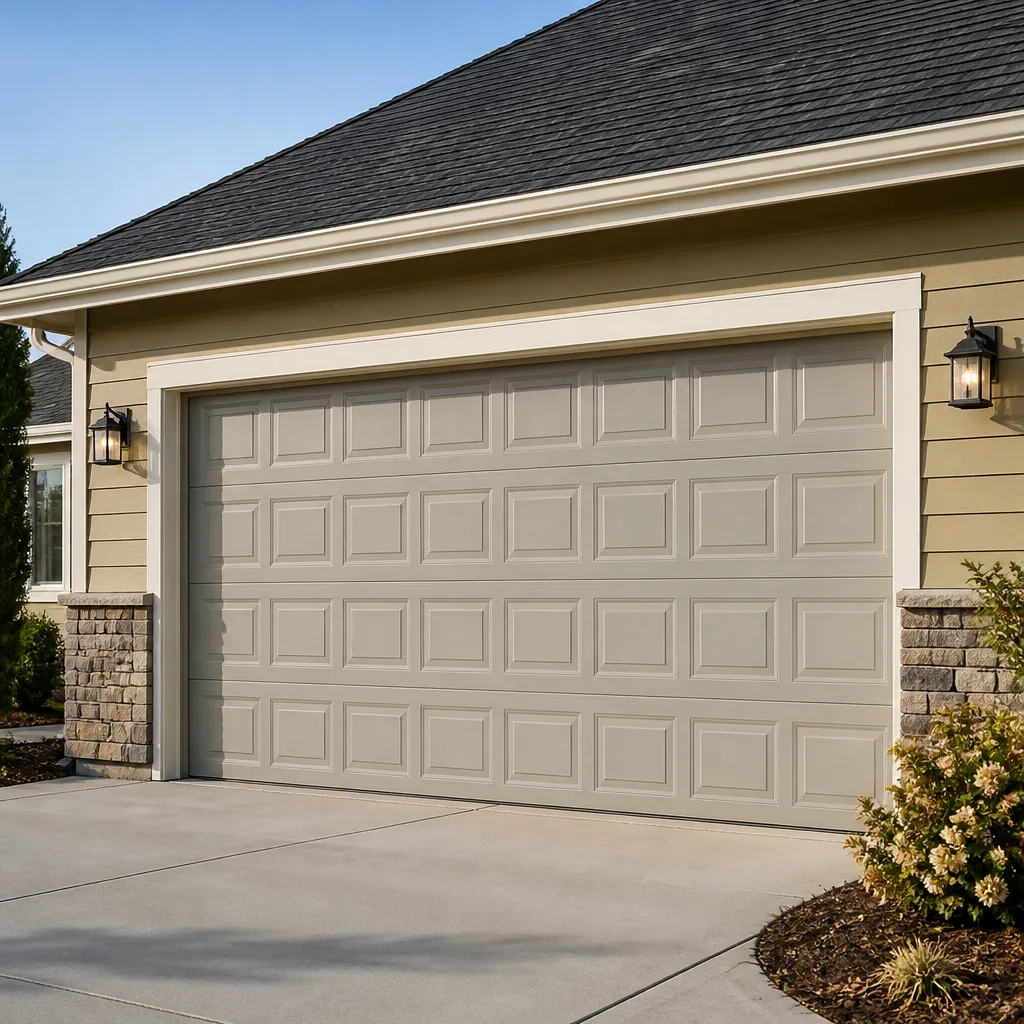 Raised-panel steel
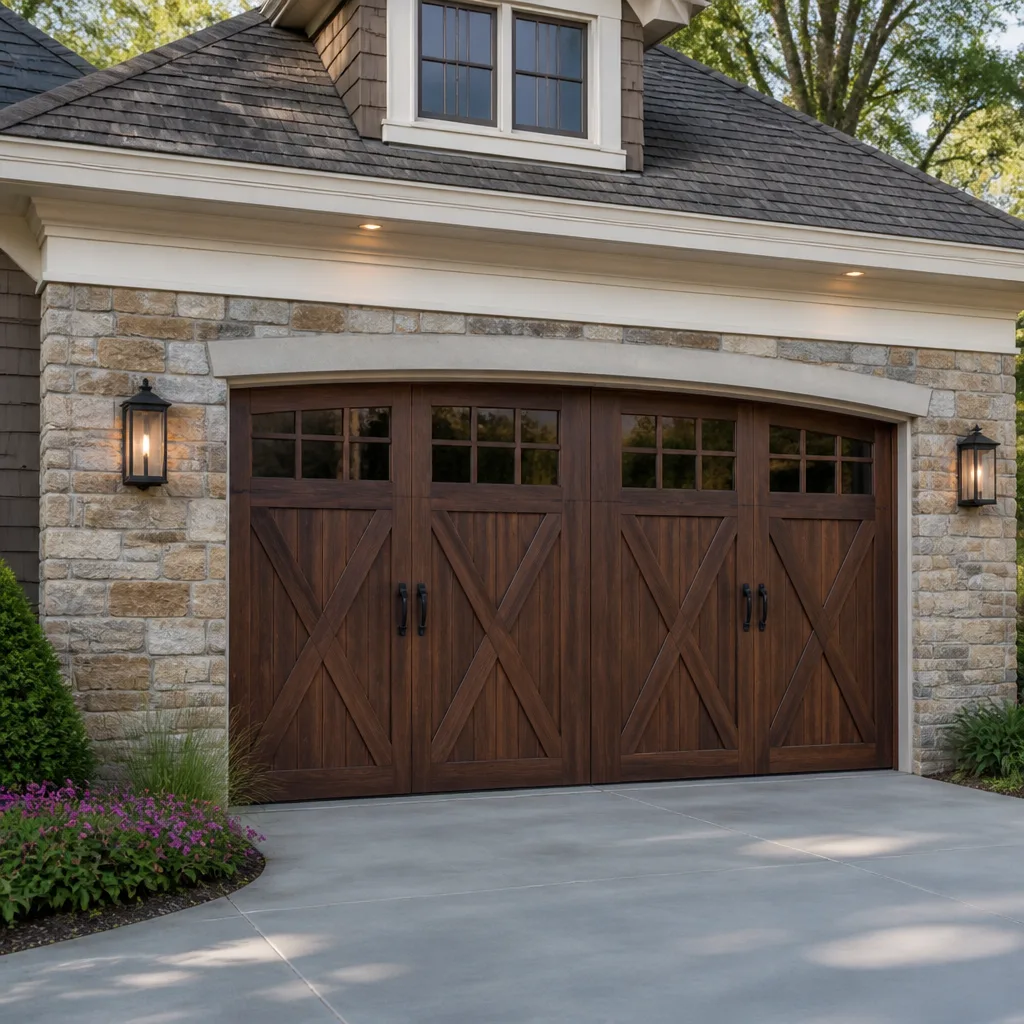 Carriage house
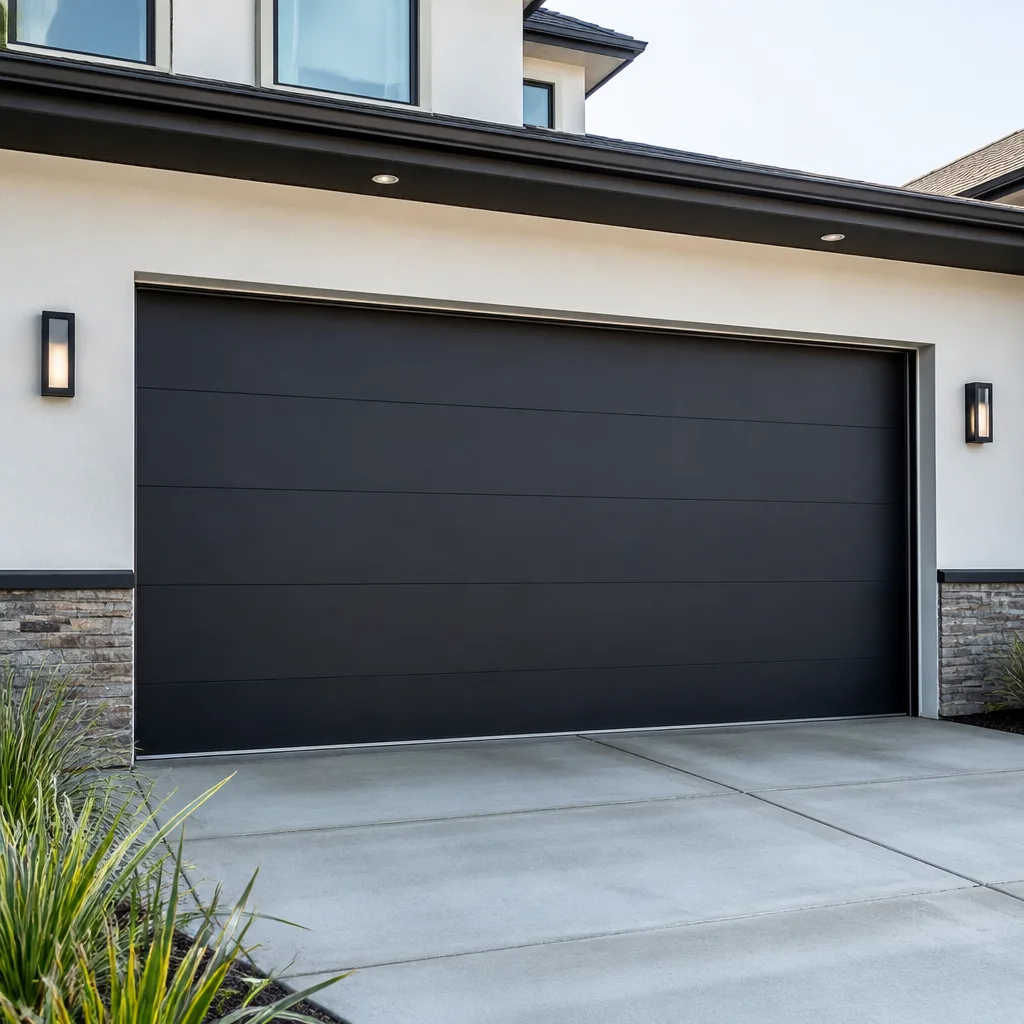 Modern flush
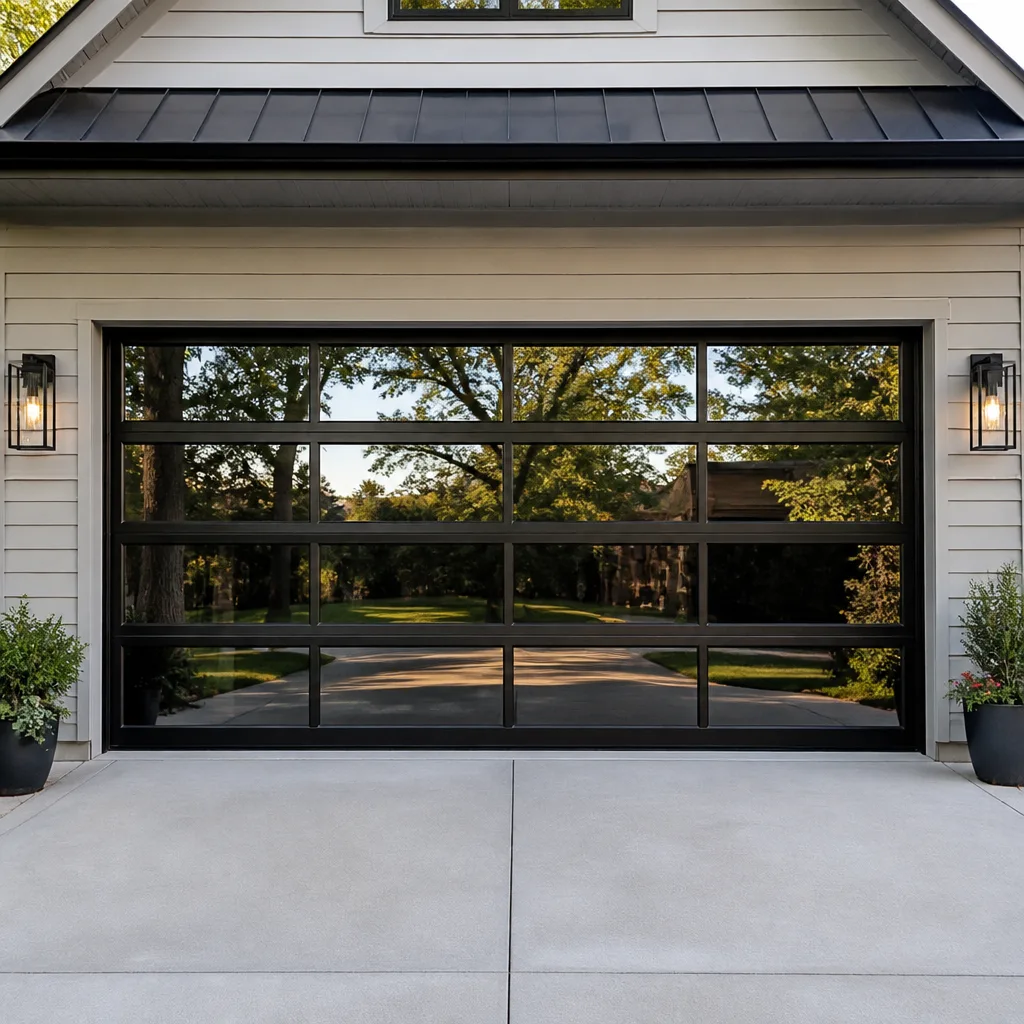 Full-view glass
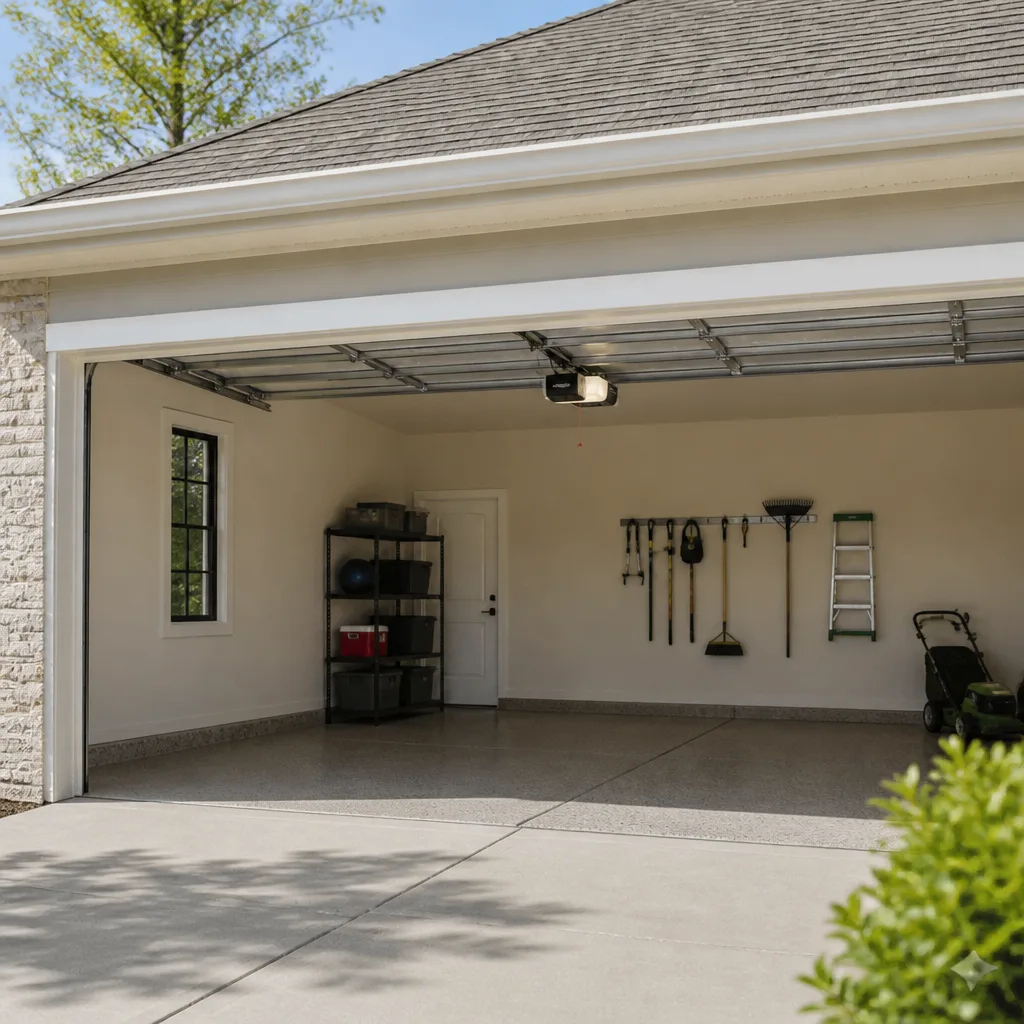 LiftMaster openers
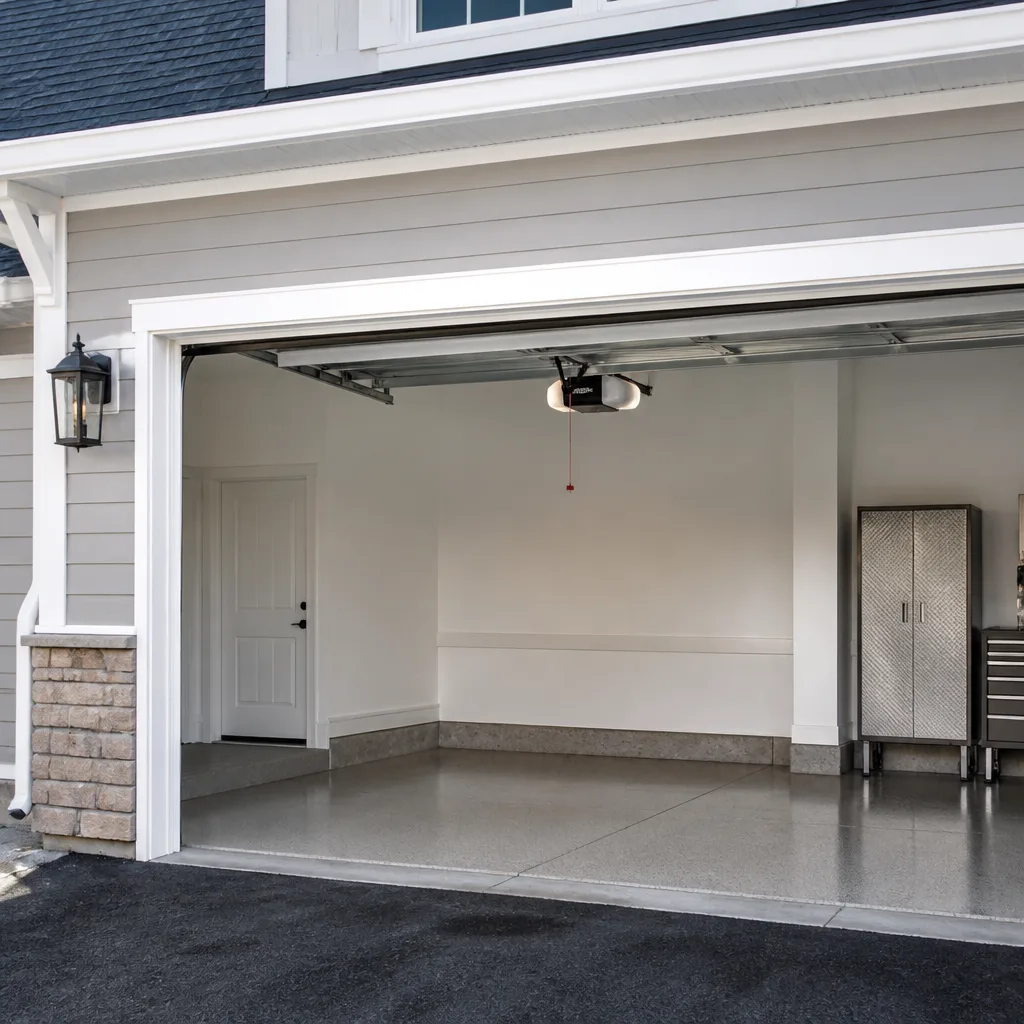 Chamberlain openers
Full 25-point door and opener safety check with every visit - springs, cables, rollers, tracks, and your LiftMaster or Chamberlain opener included
You get a price before we start. It does not change when the pro arrives.
Get your free estimateGarage Door Emergency Preparedness Guide for Bethel Park Homes
Most homeowners think a garage door emergency is about the door. It isn’t. It’s about your car being trapped on the wrong side of a torsion spring that failed at the worst possible moment, your house sitting open to the cold on a January night, or an opener that quit the morning of a day you can’t miss. The door is the symptom; the emergency is what it does to your day and the security of your home. In Bethel Park, the South Hills weather and the older housing stock make certain failures more likely, and the timing of local shops means you might be waiting longer than you expect. This guide lays out the response sequence before you need it, so when something breaks you already know what to do.
Here’s the counterintuitive part: the most dangerous thing you can do during a garage door emergency is the thing that feels most urgent. Reaching for a manual release, forcing a stuck door, or propping a broken one open with whatever’s handy can turn a few-hundred-dollar repair into an injury or a wrecked track. We’d rather you know the right sequence now than figure it out at 7 AM with your car stuck inside.
Quick Answer
A garage door emergency in Bethel Park is any failure that leaves your home open to the weather or to intruders, or traps your car when you need it. The correct response is to secure the opening first, avoid forcing anything under spring tension, and call for service with your door and opener brand ready. True emergencies – a door stuck open in winter or a forced entry risk – justify urgent dispatch, while a door that’s closed but won’t open can usually wait for a scheduled repair.
Styles & brands we work with
- Raised-panel steel
- Carriage house
- Modern flush
- Full-view glass
- LiftMaster openers
- Chamberlain openers
Table of Contents
- What Counts as a Garage Door Emergency in Bethel Park?
- The Difference Between an Emergency and an Urgent Repair
- The Manual Release Procedure for Every Major Opener Brand
- How to Safely Secure a Door Stuck in the Open Position in Winter
- What to Have Ready Before You Call for Emergency Service
- Pre-Emergency Prep: The Two Things Every Bethel Park Homeowner Should Confirm
- Why Springs and Cables Are Never a Do-It-Yourself Job
- How After-Hours Cost Works, and When It’s Worth It
What Counts as a Garage Door Emergency in Bethel Park?
A garage door emergency is any failure that exposes your home or traps your vehicle when you need it. In Bethel Park, that usually means one of a handful of specific situations, and knowing which one you’re in is the first step toward the right response.
We’ve handled enough calls to know that the word “emergency” gets used loosely. Sometimes it genuinely is one. Sometimes it’s a real problem that can wait a few hours for a scheduled repair. Sorting that out before you call saves you money and gets you the right kind of help faster.
These are the situations that qualify as a true garage door emergency in Bethel Park:
- The door is stuck open and won’t close. Your home is exposed to the cold, to rain and snow, and to anyone who wants in. This is the most common genuine emergency we see in the South Hills, especially in winter.
- A broken spring has trapped your car inside. A snapped torsion spring leaves the door effectively locked down. There’s no safe way to lift a door whose spring has failed, and you can’t get the car out until it’s fixed.
- A door is hanging off its track or has come down crooked. This is both a security problem and a safety hazard. Don’t run the opener. Don’t try to force it back into place.
- The opener has failed and the door is stuck partway. A door jammed mid-travel is unstable and shouldn’t be left that way.
- Someone has tampered with or forced the door. If you suspect a break-in attempt, securing the opening is the priority, then repair.
What’s not on that list: a noisy door, a remote that needs reprogramming, an opener that’s slower than it used to be, or a door that closes but bounces back up. Those are real problems worth fixing, and you’ll find the right path through our Garage Door Repair Bethel Park page, but they aren’t emergencies. They can wait for a scheduled visit during normal hours.
The distinction matters because it drives everything that follows: how fast you need someone, whether after-hours cost is justified, and what you should do in the meantime to keep your home secure.
The Difference Between an Emergency and an Urgent Repair
The difference between an emergency and an urgent repair comes down to exposure and entrapment. If your home is open to weather or intruders, or your car is trapped and you need it, that’s an emergency. If the door is closed and your car is free but something is broken, that’s an urgent repair that can usually be scheduled.
This distinction isn’t about how stressed you feel, though we understand the stress is real. It’s about the physical consequences of waiting. A door stuck open in a Bethel Park January lets cold air pour into the house, risks frozen pipes in an attached garage, and leaves a gap big enough for anyone to walk through. That’s exposure. A door that’s closed but won’t open because the opener quit just means you’re using the front door until we can get to it. Annoying, but not an emergency.
Here’s how to sort it out quickly:
- Is the opening secured? If the door is fully closed and locked, you’re not in an emergency. If it’s open, partway, or can’t be locked, you are.
- Is your car trapped? A failed spring that won’t let the door up traps the car. That’s an emergency if you need the vehicle today.
- Is there a safety hazard? A crooked door, a door off its track, or anything hanging loose is a hazard to people and property. Treat it as urgent.
- Is weather getting in? In Bethel Park, a door stuck open during a cold snap or a storm is an emergency.
An urgent repair still deserves prompt attention, but it can typically be scheduled during normal hours rather than treated as a same-hour call. That often means a lower bill and a less rushed repair. If you’re not sure which category you’re in, call and describe the situation honestly. We’ll tell you what it is and what it needs, and if it’s a straightforward garage door repair, we’ll get it on the schedule. The call itself costs nothing, and a clear answer up front saves everyone time.
One more thing worth knowing: an “emergency” that’s really a maintenance issue in disguise – a door that’s been sluggish for months and finally quit – is best handled as a scheduled repair with a proper diagnosis. Rushing a job that needs real attention just means doing it twice.
The Manual Release Procedure for Every Major Opener Brand
Every automatic garage door opener has a manual release, and every major brand uses the same basic principle: a cord or lever that disconnects the door from the opener’s carriage so you can lift it by hand. The procedure is similar across LiftMaster, Chamberlain, Genie, Craftsman, and Raynor, but the critical caution is the same for all of them – never pull the release while the door is under spring tension, meaning with the door partially open or with a broken spring.
This is the single most important safety rule in this entire guide, so let’s be precise about it. The manual release is designed to be used when the door is fully closed and the spring system is intact. Pull the cord, and the door disconnects from the opener, letting you raise it manually. That’s fine when the springs are working. It’s genuinely dangerous when they aren’t.
If a torsion or extension spring has broken, the door is extraordinarily heavy – far heavier than it feels when the springs are doing their job. Releasing it or trying to lift it by hand can send the door crashing down or cause a serious injury to your back, arms, or hands. A door that’s lost its spring is not a door you lift. It’s a door you leave alone and call about.
Here’s the general release procedure, and note the emphasis on “when the door is closed and springs are intact”:
- Confirm the door is fully closed. The release should only be pulled with the door down and at rest.
- Locate the release cord. It hangs from the opener carriage along the rail. On most LiftMaster, Chamberlain, and Craftsman openers it’s a red or brightly colored handle. Genie and Raynor units use a similar cord-and-handle setup.
- Pull straight down firmly. You’ll feel the carriage disconnect from the chain or belt. Don’t yank at an angle.
- Lift the door slowly by hand. With intact springs it should feel manageable. If it feels impossibly heavy, stop – that’s a broken spring, and the door should go back down gently and stay there.
- Re-engage by running the opener. Once the door is back down and the carriage lines back up, running the opener reconnects it automatically on most units.
The brand matters less than the condition of the door. Whether you have a Wayne Dalton or an Amarr door on a LiftMaster or Genie opener, the release works the same way – and the caution about spring tension applies just as strongly. We work on the opener brands already in your garage, so if the release won’t re-engage or the door won’t lift properly, a call to our garage door opener repair team gets it sorted. Our technicians have up to 9 years of experience with these systems and know exactly where each brand’s carriage and release points sit.
How to Safely Secure a Door Stuck in the Open Position in Winter
When a door is stuck open in a Bethel Park winter, your goal is to close the opening without damaging the door or the tracks, and without putting yourself underneath a door that could come down. The safest temporary options keep the door supported from below or block the opening from outside, never by forcing the door itself.
This is the scenario that worries us most during cold snaps. A door stuck open lets heat out and cold in, and in an attached garage that can push cold into the walls and pipe runs. You want it closed, and you want it closed safely. What you don’t want is a door propped with a cinder block under a door that could shift, or a track bent because someone tried to muscle the door down.
Here’s what actually works as a temporary measure:
- Lower the door by hand only if the springs are intact. Disconnect with the manual release (door closed first, then lifting is safe), then guide the door down gently. If it feels heavy, stop – the springs are gone and the door should stay where it is.
- Don’t force a crooked door back into its track. A door that’s jumped the track is a hazard. Pushing it can bend the track further or bring the whole thing down. Leave it and call.
- Block the opening from outside as a stopgap. A sheet of plywood or a rigid panel set against the opening and braced from the outside keeps weather and wind out until service arrives. This is temporary and doesn’t fix anything, but it does protect the house.
- Keep people and pets away from the door. A stuck-open door is unstable. Don’t let kids play under it or park a car against it.
- Don’t run the opener. If the door is stuck, running the opener risks stripping the gear, damaging the carriage, or burning out the motor. Leave it alone.
In the South Hills, where temperatures swing hard and snow can pile against a door, a stuck-open door during a storm is a genuine emergency. Fast dispatch from 7am to 7pm gets someone out to secure and repair it, and we answer 24/7 so you’re never stuck leaving a message. Our garage door spring repair team deals with exactly this failure more than any other in winter, because a tired spring that’s been straining all season tends to give out in the cold.
The reason springs fail in cold weather is simple: metal contracts and becomes more brittle as temperatures drop, and a spring that’s been near the end of its life is more likely to snap in a Bethel Park January than in July. That’s why the temporary securing measures above matter – and why fixing the underlying spring problem before it fails is worth considering.
What to Have Ready Before You Call for Emergency Service
Having the right information ready before you call cuts the time it takes to get your door fixed, because the technician can arrive with the right parts instead of making a second trip. The details that matter most are your door’s brand and type, your opener’s brand, and a clear description of what the door is doing.
We can’t overstate how much difference this makes. When someone calls and can tell us they have a Wayne Dalton door with a torsion spring and a Genie opener, we know what we’re walking into. When the call is “my door is broken,” we’re guessing until we arrive. In an emergency, that guessing costs you time.
Before you dial, gather these details:
- Your garage door brand. Look at the door panels or the end stiles for a label. Amarr, Wayne Dalton, Clopay, and Raynor are common in the South Hills.
- The spring type. Torsion springs run horizontally above the door on a shaft. Extension springs run along the sides. If you’re not sure, describe what you see – don’t touch them.
- Your opener brand and model. Check the unit on the ceiling. LiftMaster, Chamberlain, Genie, and Craftsman are the most common. The model number is usually on a label on the motor housing or the back of the unit.
- What the door is doing. Stuck open, stuck closed, crooked, won’t move, making a noise, off the track. Be specific.
- Whether the car is trapped and whether the opening is exposed. This tells us how urgent the visit is.
- Your address and phone number. Obvious, but easy to fumble when you’re stressed.
A photo of the door, the spring, and the opener label helps enormously. Most phones can text one in a minute, and it lets a technician identify the setup before arriving. That’s the difference between a first-visit fix and a return trip.
If you don’t know the brand, that’s fine. We work on the brand already in your garage, and our technicians can identify most systems on arrival. The more you can tell us, the faster the fix – and the less likely you are to pay for a second visit because the first one came without the right part.
Pre-Emergency Prep: The Two Things Every Bethel Park Homeowner Should Confirm
Two things prevent most garage door emergencies in Bethel Park: knowing your door’s brand and spring type, and testing your manual release while the door is healthy. Both take minutes, and both turn a future emergency into a routine repair.
We get called out to doors that were already failing for months. The homeowner didn’t know what to look for, so a small problem became a snapped spring or a dead opener at the worst moment. You can head that off with a quick check now, while everything’s working.
The first thing to confirm: your door’s brand and spring type. Look for a label on the door panels. Check whether the springs run above the door (torsion) or alongside it (extension). Write it down or snap a photo and keep it where you’d find it in a hurry. Knowing you have a Raynor door with torsion springs, or a Wayne Dalton with extension springs, means a technician arrives prepared. It sounds trivial. In an emergency, it’s the difference between one visit and two.
The second thing to confirm: your manual release works. With the door fully closed and the springs intact, pull the release cord once and re-engage it by running the opener. This confirms the cord is intact, the carriage disconnects properly, and you know where it is in the dark. If the cord is frayed, the handle is missing, or it won’t re-engage, that’s worth a scheduled visit before you need it in an emergency.
While you’re at it, do a quick monthly pass:
- Listen for unusual noise when the door runs – grinding, popping, or scraping.
- Watch the door travel – it should move smoothly, not jerk or wobble.
- Check the balance by disconnecting and lifting the door halfway by hand. It should stay put. If it drops, the springs are tired.
- Look at the springs for gaps or a visible break. A broken torsion spring often shows a clean gap in the coil.
These checks take a few minutes and cost nothing. They’re the cheapest insurance against a garage door emergency in Bethel Park, and they’re the reason some of our calls are quick fixes rather than middle-of-the-night panics. If something looks off, our garage door repair team can take a look during normal hours, before it fails.
Why Springs and Cables Are Never a Do-It-Yourself Job
Torsion and extension springs and the cables that run with them are under extreme tension, and a spring that releases unexpectedly can cause serious injury. This is the one part of garage door work that trained professionals treat with real caution, and it’s why we recommend never adjusting, removing, or replacing a spring or cable yourself.
We’re not being dramatic. A torsion spring on a typical residential door is wound tight enough to store a large amount of energy. If it slips while you’re working on it, it doesn’t just snap – it can whip, and the tools involved can follow. Extension springs have their own hazards, and a cable under load can do real damage. This is the job that separates a garage door specialist from a general handyman, and it’s the one we’d never hand to a homeowner with a YouTube video and a wrench.
That’s why spring work is a core part of what we do, and why we treat it as the highest-risk job on the list. Our technicians have up to 9 years of experience with torsion and extension systems, and they use proper winding bars and containment. If you suspect a broken spring, the right move is to leave the door down, keep clear, and call.
What you can safely check without touching anything:
- A visible gap in a torsion spring coil, which usually means it’s broken.
- A door that’s suddenly far heavier to lift than it used to be.
- A loud bang from the garage, which often signals a spring failure.
- A door that goes up a foot or two and stops.
If any of those ring true, don’t run the opener and don’t try to lift the door. A spring that’s failed leaves the door unsupported, and forcing it risks injury. Our garage door spring repair team handles these calls regularly, and a matched pair of springs is usually replaced together, since if one has failed the other is likely near the end of its life too.
How After-Hours Cost Works, and When It’s Worth It
After-hours garage door service usually costs more than a scheduled repair because of the timing, not because the work is different. Whether it’s worth it depends on the exposure and entrapment test: if your home is open or your car is trapped, the urgent visit earns its cost. If the door is closed and secure, a scheduled appointment is the better deal.
We want to be straight with you about this, because nobody likes a surprise on the bill. An after-hours repair is the same repair; it just happens outside normal hours, and that timing is what carries a premium. The price is still quoted and agreed before any work starts, so you’ll know the number before anyone touches the door.
When after-hours cost is worth it:
- The door is stuck open and your home is exposed.
- Your car is trapped and you need it for work or an appointment.
- The door is a safety hazard and can’t be left overnight.
- Weather is getting in and the house is at risk.
When it isn’t:
- The door is closed and secure, and the opener just won’t run it.
- A remote isn’t working.
- The door is noisy or slow but still operates.
- A cosmetic issue like a dented panel or a scuffed bottom seal.
For the second group, a scheduled visit during normal hours is almost always the smarter choice. Fast dispatch from 7am to 7pm covers most of what people need, and we answer 24/7 so you can always get a real person on the line to help you decide which category you’re in. If you’re not sure, call (877) 792-7284 and we’ll tell you honestly whether it can wait until morning.
Common Mistakes to Avoid
- Pulling the manual release while the door is open or the spring is broken. This is the most dangerous mistake in a garage door emergency. Only release the door when it’s fully closed and the springs are intact, or leave it alone and call.
- Forcing a crooked or off-track door back into place. A door that’s jumped the track is unstable. Pushing it can bend the track further or bring the door down on you. Keep clear and call.
- Running the opener on a stuck door. If the door won’t move, the opener will keep trying to move it, stripping the gear or damaging the carriage. Stop and call instead.
- Propping an open door with blocks or bricks under tension. In a Bethel Park winter, a door propped with a cinder block can shift and come down. Secure the opening from outside or call for fast dispatch.
- Calling without the brand and model ready. A vague call means a second trip and a longer wait. Snap a photo of the door label and opener before dialing.
- Waiting on a spring that’s clearly failing. A door that’s suddenly heavy or noisy is telling you the spring is close to the end. Fix it during normal hours before it snaps at 7 AM on a Monday.
- Treating a genuine emergency as a wait-until-morning problem. A door stuck open overnight in the South Hills cold exposes your home and your pipes. If the opening is exposed, that’s an emergency – call.
See the difference
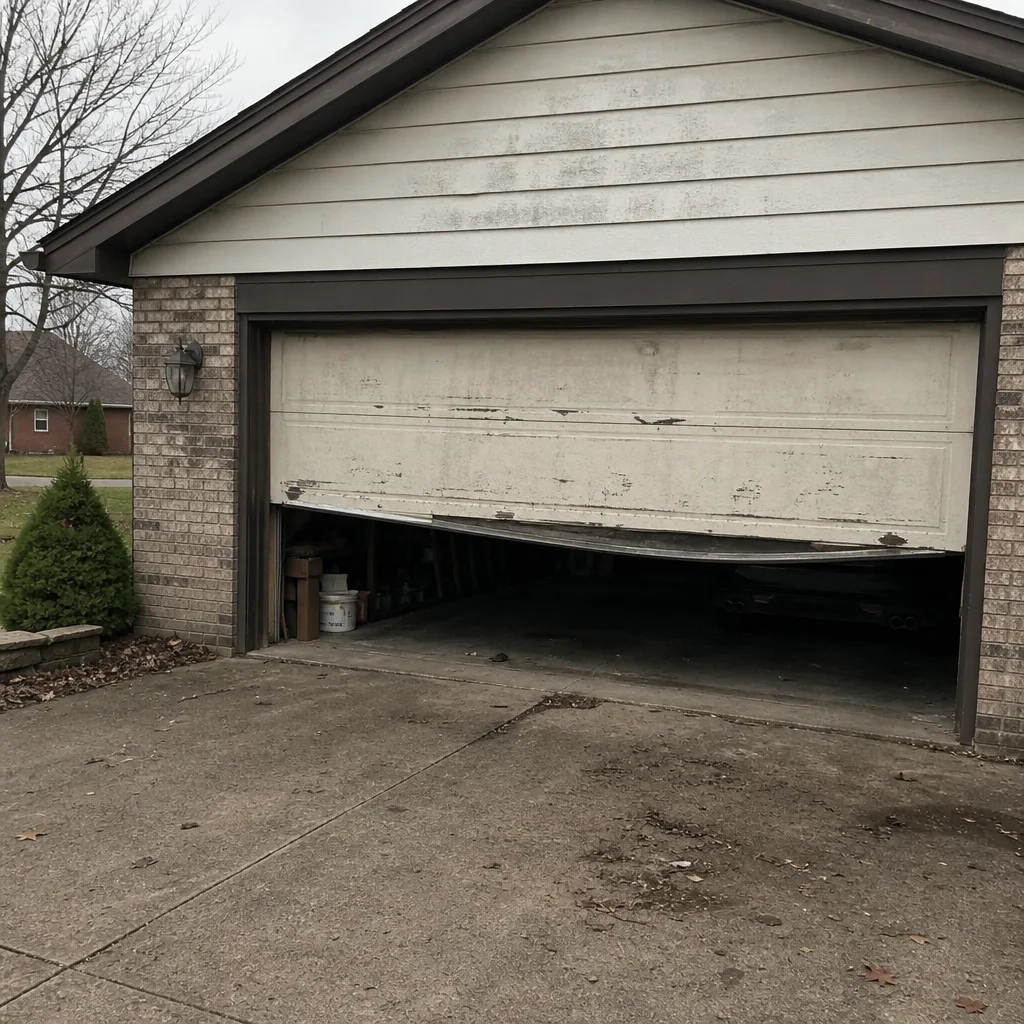 Before
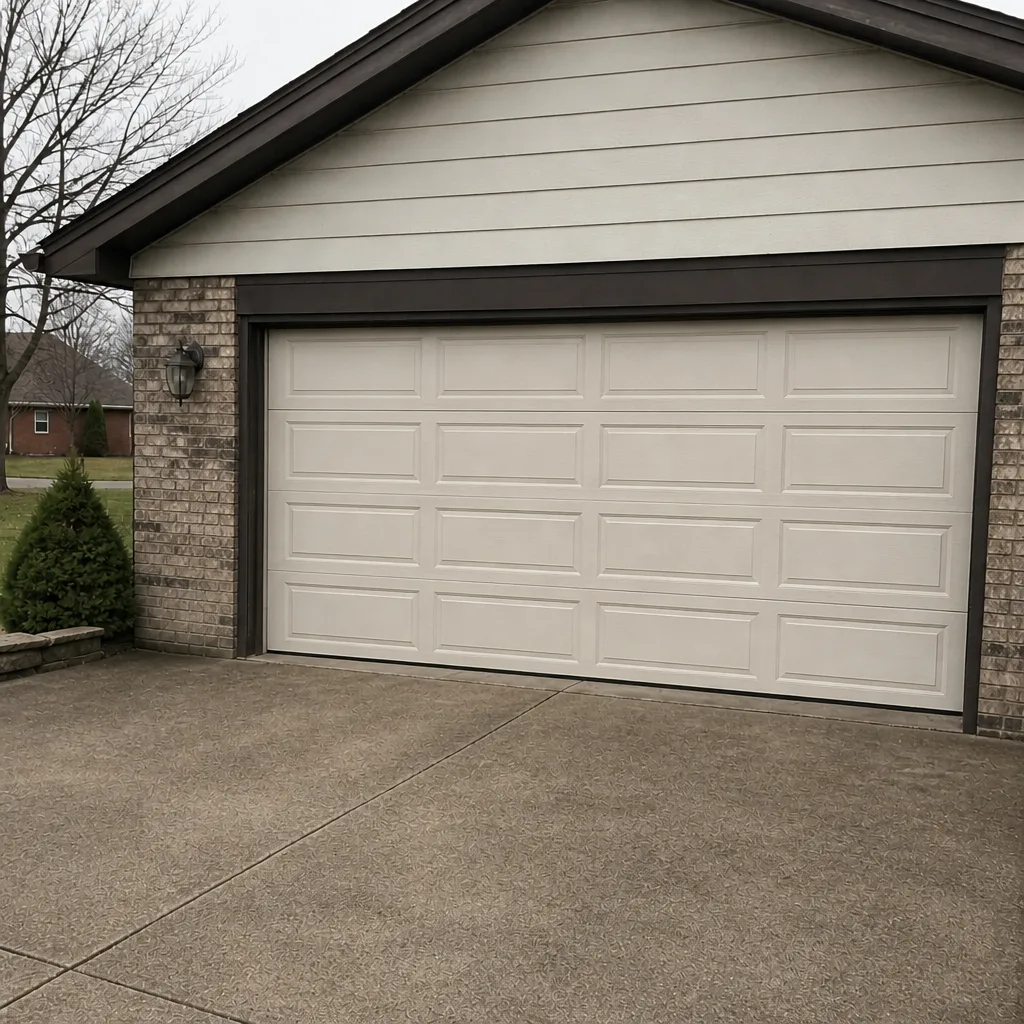 After
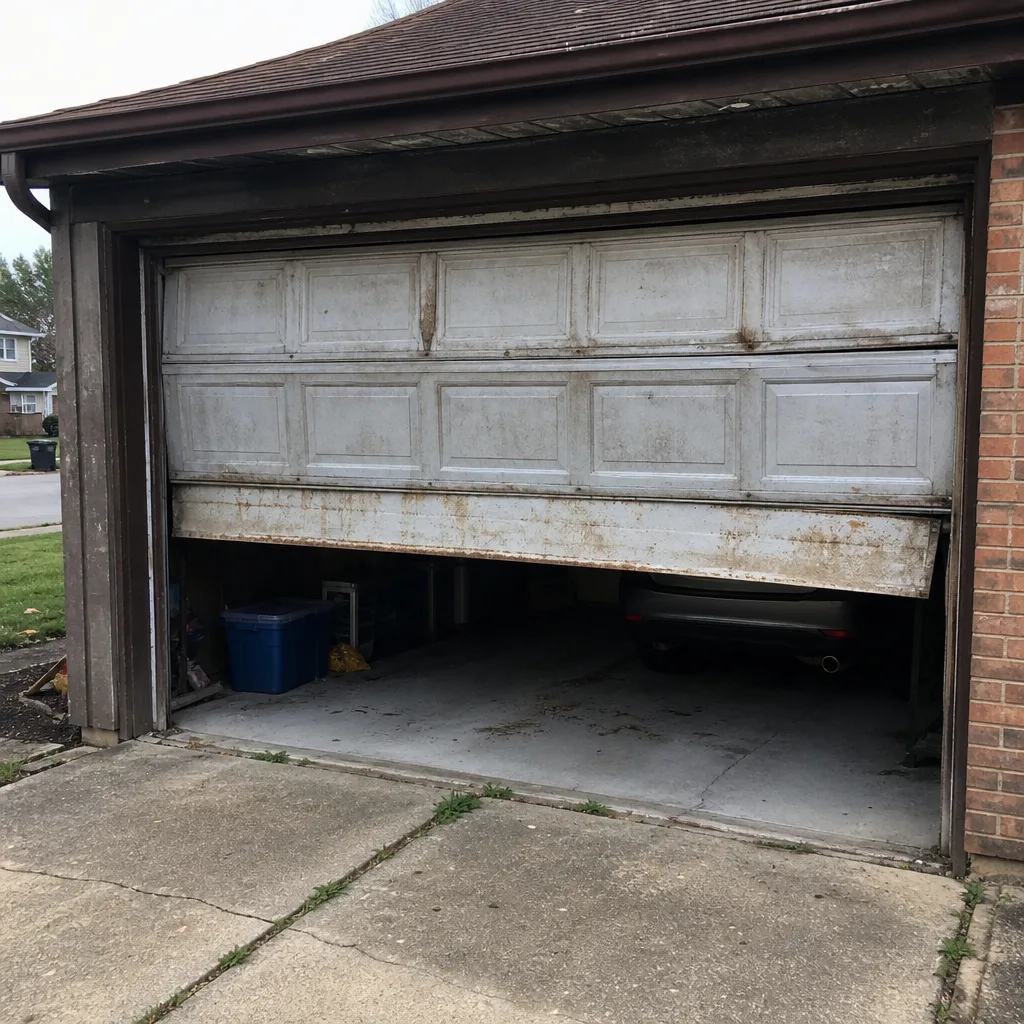 Before
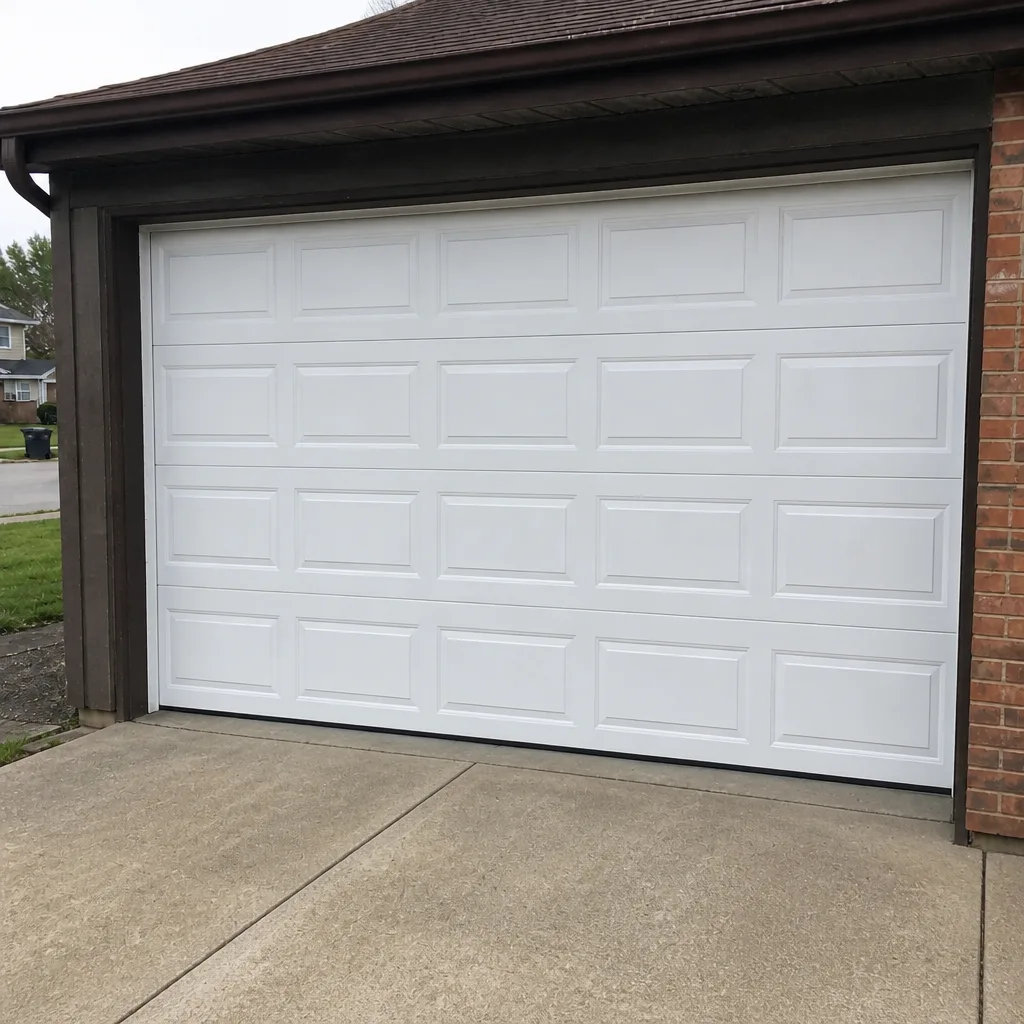 After
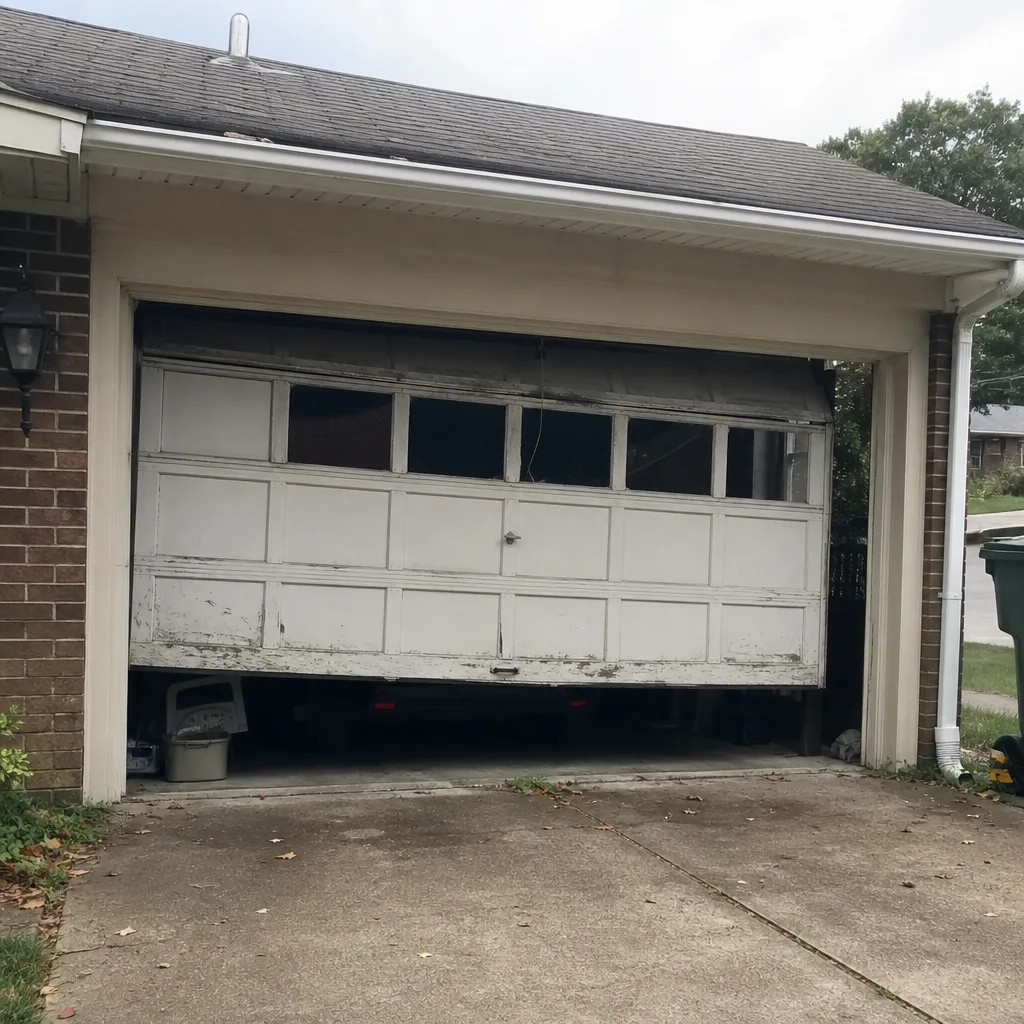 Before
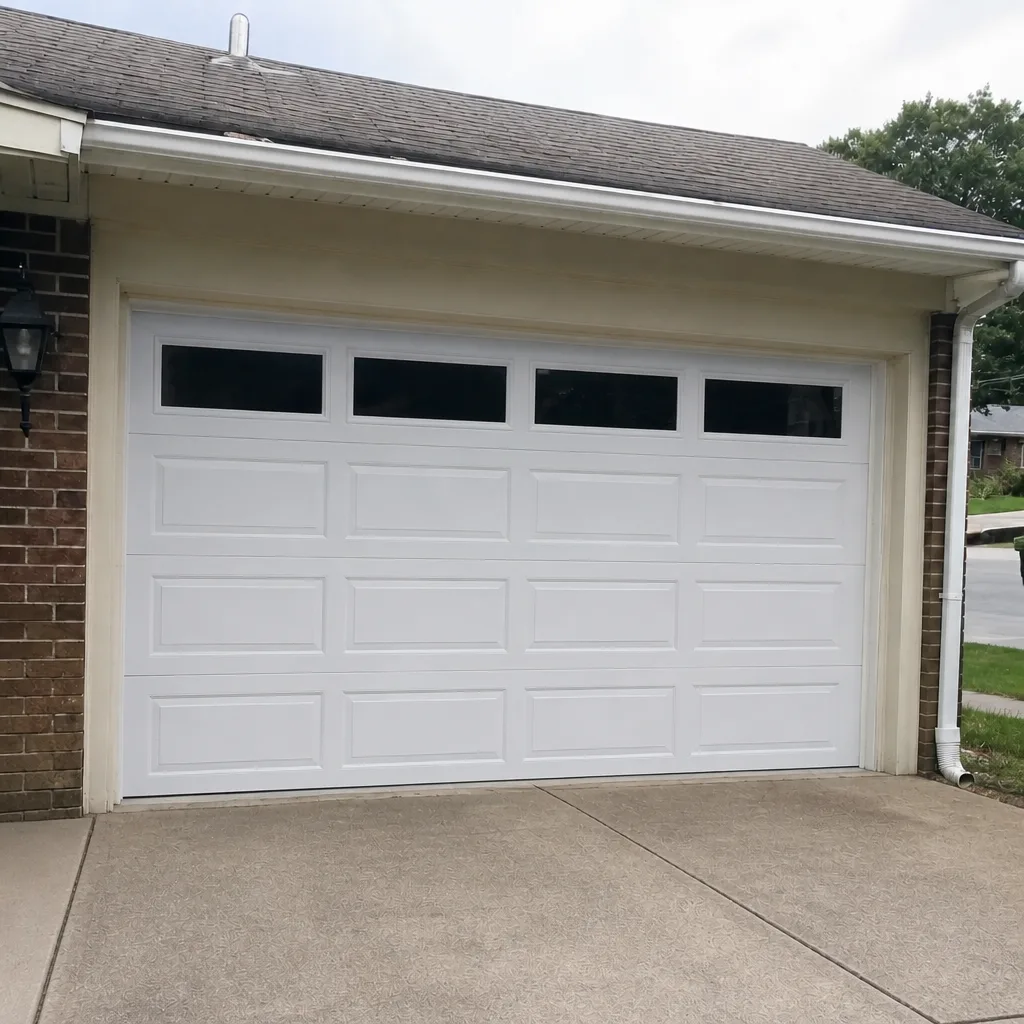 After
When to Call a Professional
Call a professional when the door is stuck open, when your car is trapped by a broken spring, when the door is off its track or hanging crooked, or when anything about the spring or cable looks wrong. Those are the situations where a trained hand matters most, and where doing it yourself risks injury or a bigger repair. If the door is closed and secure but the opener has failed, that’s a scheduled repair rather than an emergency, and normal hours will do fine. Garage Door Repair Bethel Park offers free estimates in Bethel Park, and we answer 24/7 with fast dispatch from 7am to 7pm when it counts. Call (877) 792-7284.
Frequently Asked Questions
A garage door emergency in Bethel Park is any failure that leaves your home open to the weather or to intruders, or traps your car when you need it. That usually means a door stuck open in winter, a broken spring that won’t let the door up, or a door hanging off its track. A door that’s closed and secure but won’t open is an urgent repair, not an emergency. Call (877) 792-7284 if you’re not sure which one you’re facing – estimates are free.
Spring repair cost depends on the spring type, the door weight, and whether one or both springs are replaced, and the written estimate sets the final price. Torsion and extension springs are quoted per spring, and a matched pair is usually replaced together, so a pair costs about twice a single spring. Call (877) 792-7284 for an exact quote – estimates are free.
Yes, a door stuck open is a genuine emergency and we prioritize it with fast dispatch from 7am to 7pm. We answer 24/7, so call (877) 792-7284 and describe whether the opening is exposed and whether your car is trapped. That tells us how urgently to get someone out.
It’s safe only when the door is fully closed and the springs are intact. The release disconnects the door from the opener so you can lift it by hand, but if the spring is broken the door will be dangerously heavy and can come down. Never pull it with the door open or a spring failed. If you’re unsure, call (877) 792-7284 before touching it.
No, the price is quoted and agreed before any work starts, so the written estimate sets what you pay. What you see on arrival is what you were quoted, and we confirm the scope before anyone begins. Call (877) 792-7284 for a free estimate.
The local professional we connect you with is licensed and insured as their state requires, and our technicians have up to 9 years of experience with all major door and opener brands. Spring and opener work is what they do every day, not a sideline. Call (877) 792-7284 to book a free estimate.
The Bottom Line
A garage door emergency in Bethel Park is manageable if you know the sequence before it happens. Secure the opening first, never force anything under spring tension, and call with your brand and opener model ready so the right parts come the first time. Sort out whether you’re in a true emergency or an urgent repair, because that decides whether after-hours cost is worth it. Test your manual release now, while the door is healthy, and fix a tired spring during normal hours rather than waiting for it to fail at the worst moment. Do those things and a snapped spring or a stuck door becomes a problem you’ve already planned for.
When you’re ready for a free estimate or you’re in the middle of an emergency right now, call Garage Door Repair Bethel Park at (877) 792-7284. We answer 24/7, we offer fast dispatch from 7am to 7pm, and every job is quoted and agreed before any work starts. From springs and openers to full door replacement, one call covers it.
Written by the team at Garage Door Repair Bethel Park.