Last updated November 23, 2026
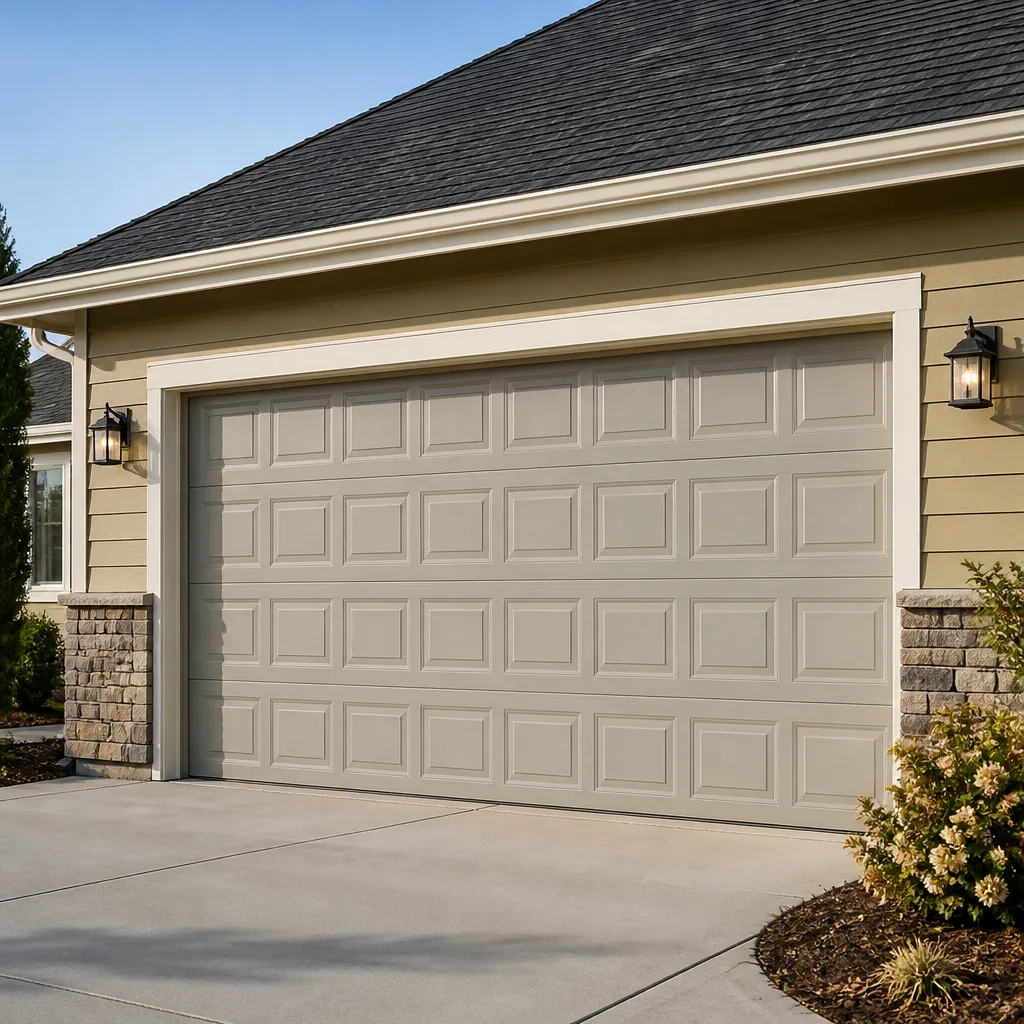 Raised-panel steel
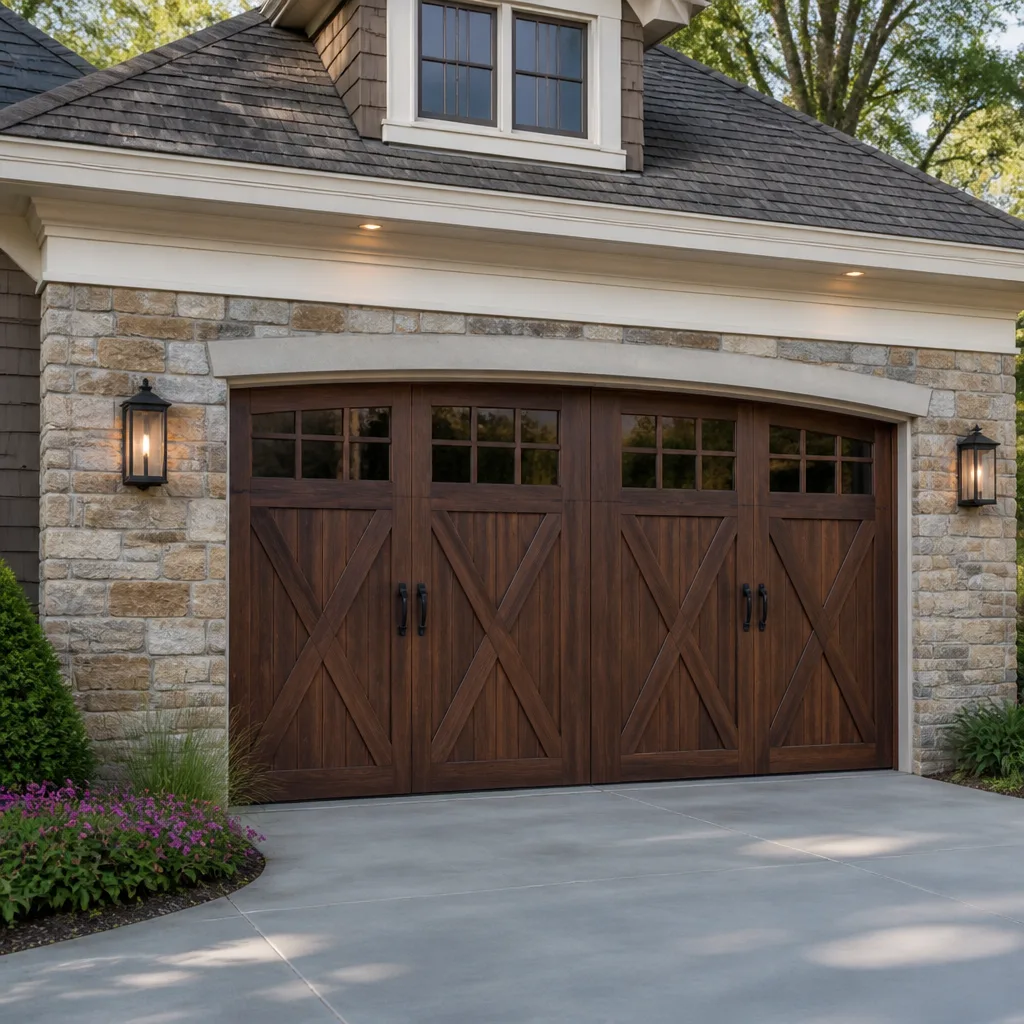 Carriage house
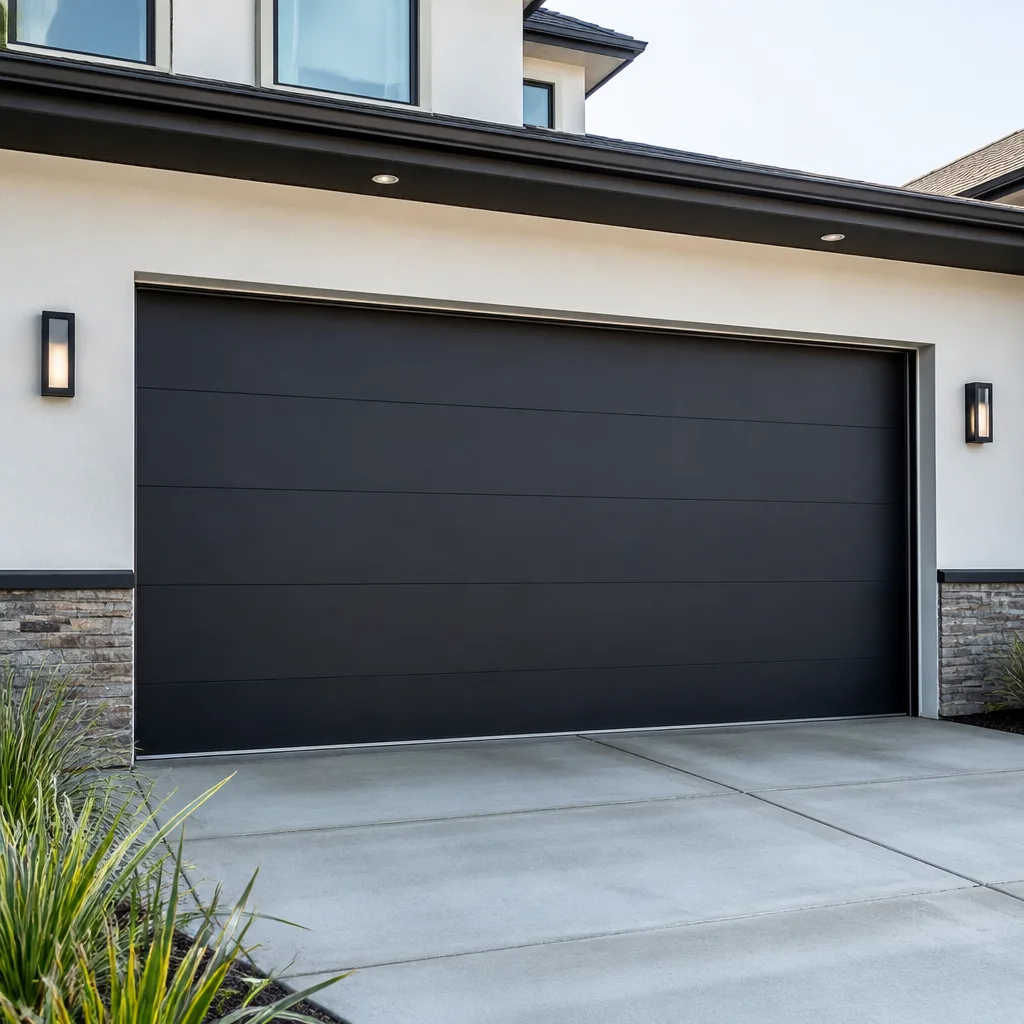 Modern flush
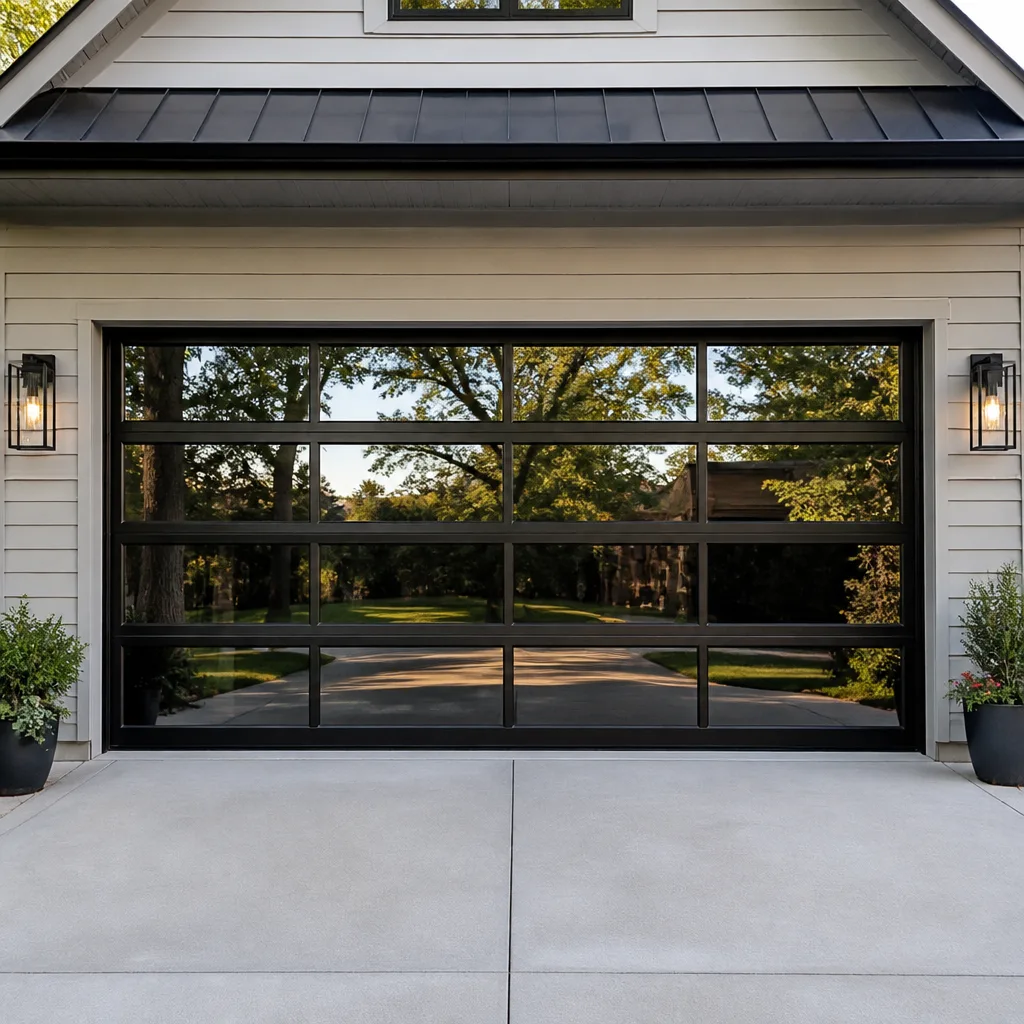 Full-view glass
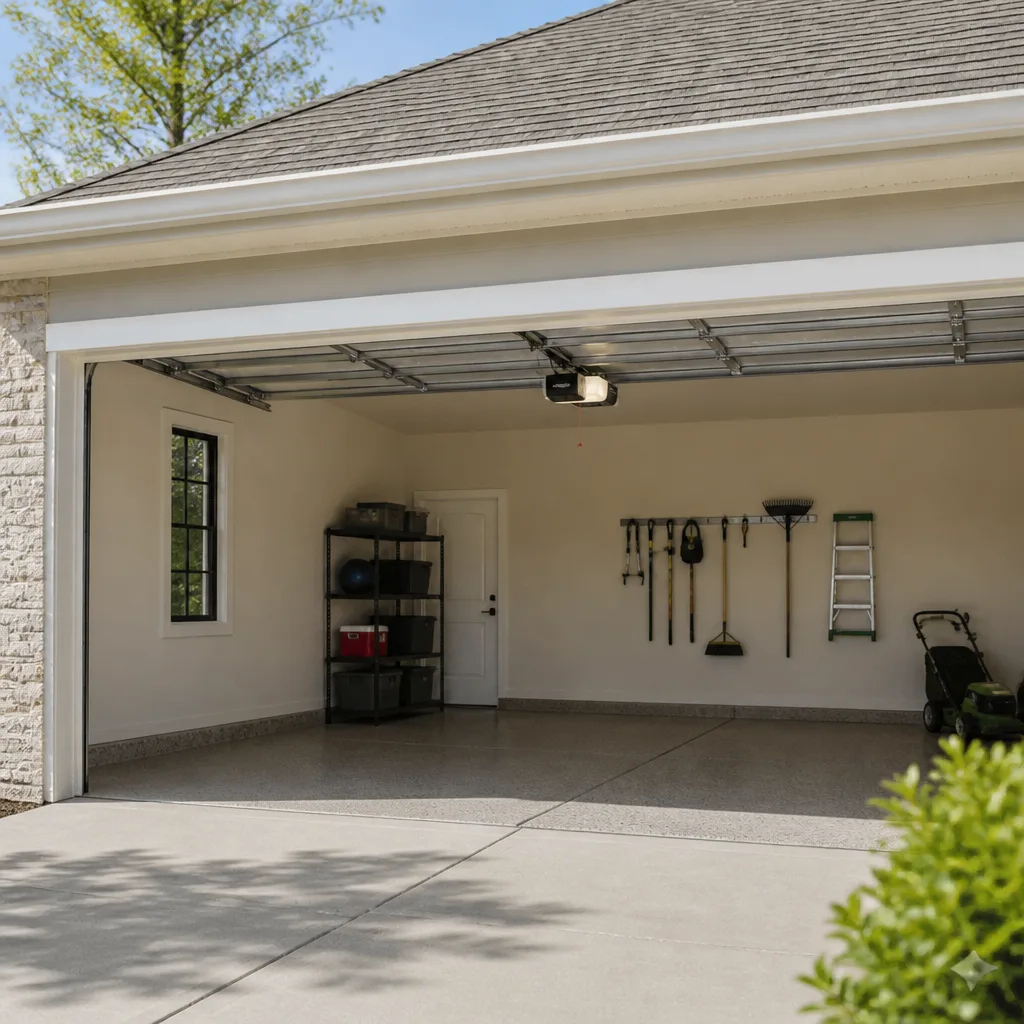 LiftMaster openers
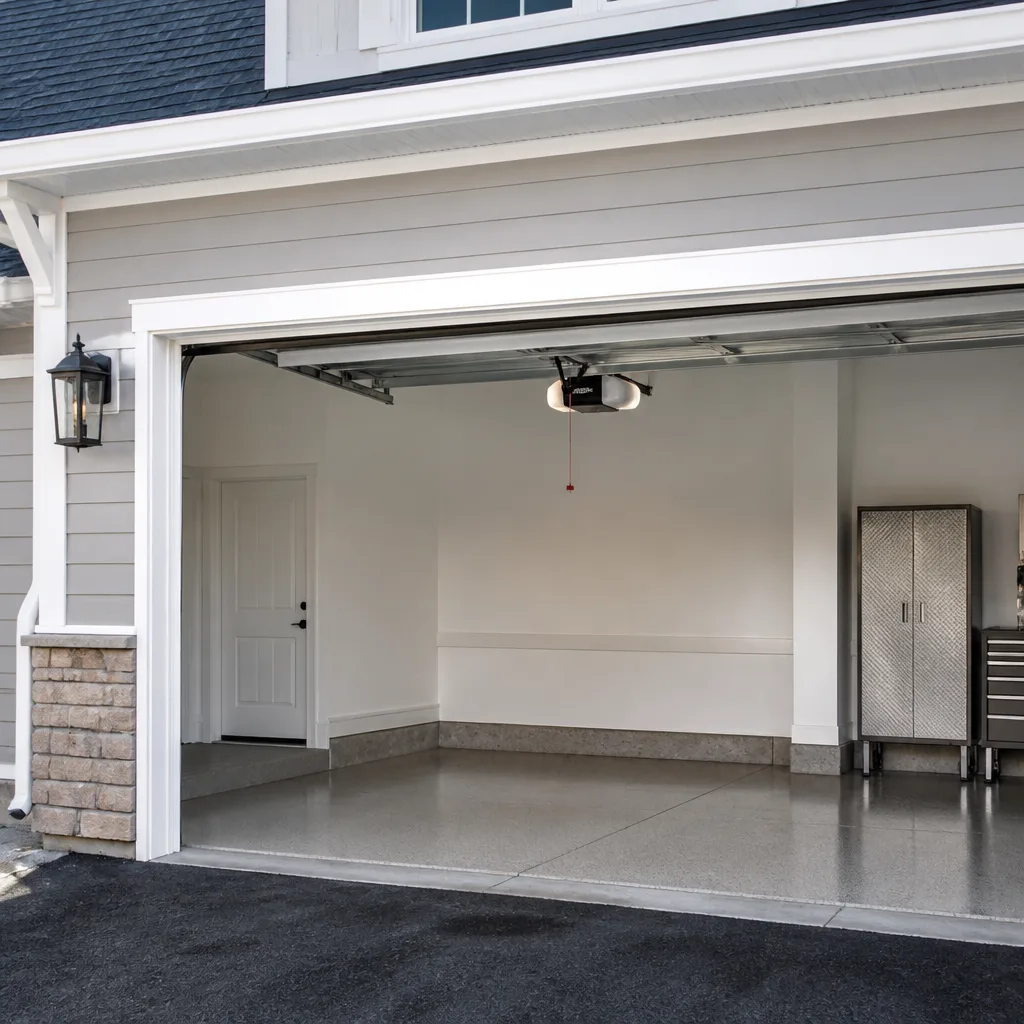 Chamberlain openers
Full 25-point door and opener safety check with every visit - springs, cables, rollers, tracks, and your LiftMaster or Chamberlain opener included
You get a price before we start. It does not change when the pro arrives.
Get your free estimateGarage Door Permits, Codes & Inspections in Bethel Park, PA: What You Need to Know
Here’s the part that surprises most homeowners: replacing a whole garage door in Bethel Park usually needs no permit at all, and that’s how it should be. But change the structural header above the opening, or widen it, and you’ve stepped into a different category entirely – one that requires a permit and an inspection. The line between the two is where unpermitted work tends to hide, because it’s easy for a contractor to skip paperwork on a job that “looked like a swap.” This guide walks through which garage door projects need a permit in Bethel Park under the Pennsylvania Uniform Construction Code (UCC), what structural work actually means, how unpermitted work can complicate a home sale in Allegheny County, and what to ask a contractor before anyone touches your door.
Quick Answer
A straight garage door replacement in Bethel Park generally does not require a permit under the PA UCC, because swapping a door in the existing opening is considered cosmetic replacement. Any work that alters the structure around the opening – a new header, a widened rough opening, a change to the framing or load path – does require a permit and inspection through the municipality. Spring, opener and panel repairs are maintenance and don’t trigger permits either.
Styles & brands we work with
- Raised-panel steel
- Carriage house
- Modern flush
- Full-view glass
- LiftMaster openers
- Chamberlain openers
Table of Contents
- Which garage door projects are exempt from permits in Bethel Park?
- Which garage door projects require a permit under PA UCC?
- What counts as “structural work” around a garage door?
- How unpermitted work affects a home sale in Allegheny County
- How the permit process works in Bethel Park, step by step
- What to ask your contractor in writing before work starts
- Common mistakes to avoid
- Frequently asked questions
Which garage door projects are exempt from permits in Bethel Park?
Most of the garage door work that happens in Bethel Park on any given week falls into the exempt category. A door replacement in a sound opening, an opener swap, a torsion or extension spring replacement, a bent panel, a snapped cable – none of these change the structure of your home, so none of them require a permit through the municipality. That’s the baseline, and it’s worth understanding clearly because it separates the paperwork-heavy jobs from the everyday ones.
The exempt list typically covers:
- Full door replacement in the existing opening with the same size door and the same track configuration
- Opener installation or replacement, including belt-drive, chain-drive and screw-drive units from brands like LiftMaster or Chamberlain
- Spring replacement, whether torsion or extension
- Panel replacement on sectional doors when the opening and framing stay put
- Cable, roller, hinge and track repairs that restore the existing setup
- Weatherstripping and bottom seal replacement
What we tell homeowners in Bethel Park is simple: if the door stays the same size and the wall around it stays the same, you’re almost certainly in the exempt zone. The moment the door size changes, or the framing needs to move to fit it, the conversation shifts. That’s the real dividing line, not the dollar amount on the estimate. A high-end door swap can still be exempt while a modest opening change can require a permit. If you want to double-check before scheduling, a quick call to Bethel Park’s building department confirms it for your specific address.
If your project is a straightforward door replacement or repair, our Garage Door Repair Bethel Park page explains how a typical job runs from measure to install.
Which garage door projects require a permit under PA UCC?
Under the Pennsylvania Uniform Construction Code, any garage door project that changes the structural elements of the opening, the load path, or the means of egress requires a permit and an inspection. That includes a new header, a widened or raised rough opening, framing changes to accommodate a taller or wider door, and anything that affects the wall above the opening. The UCC treats these as structural alterations, not cosmetic swaps, so the paperwork applies.
The typical permit-requiring scenarios we see in Bethel Park:
- Header replacement or reinforcement above the opening, which is a load-bearing change
- Widening the opening to install a double door where a single used to be
- Raising the opening height, which is common when upgrading to a taller door
- Adding a new garage door opening to a wall that previously had none
- Changing the wall structure around the opening to fit a different door style, like moving from a single-panel to a sectional garage door repair setup
- Attached-garage structural modifications that affect the firewall or the separation between the garage and the house
Here’s a useful rule of thumb: if the door installs into the hole that’s already there, you’re exempt. If the hole itself has to change – because of a new door size, a failing header, or a remodel that reworks the front elevation – expect a permit. Contractors who understand the UCC ask about the opening before quoting, because the permit question depends entirely on whether the structure is changing.
The reason the code treats this seriously is fire separation between an attached garage and the living space. A header change or framing change above the door can affect that separation, and the inspection exists to confirm the wall still does its job. It’s not paperwork for its own sake.
What counts as “structural work” around a garage door?
Structural work, in the context of a garage door installation, means anything that changes how the wall above the opening carries load. The header – the beam that spans the top of the opening – is the key element. It carries the weight of the wall above and transfers it to the jack studs on either side. If the header is replaced, reinforced, or resized, the job is structural and needs a permit. If it stays untouched, the job usually doesn’t.
In Bethel Park, the homes most likely to run into structural work are the older ones where a previous owner widened an opening or where the original header was undersized for a modern door. Signs that the header may need attention include:
- A sagging or cracked wall above the garage door
- Doors that bind or drag suddenly without a spring or track issue
- Visible gaps where the header meets the wall
- A door that has visibly shifted the framing over time
- Plans to install a taller door that requires cutting into the wall above the opening
When a header does need replacement, the fix is a structural repair, not a door install. It needs a permit, and it needs an inspection after the framing is done but before the wall is closed back up. That inspection is what documents that the load path is sound. Skipping it means no record exists, which is exactly the type of situation that surfaces later during a sale.
One more structural element to flag: high-tension torsion springs and the cables under load are dangerous to work on, and this is where trained hands matter most. Our garage door spring repair team handles that work, and we’d rather you call us than attempt it yourself. A torsion spring under tension can cause serious injury if it releases unexpectedly, and no homeowner should be under a wound spring with hand tools.
How unpermitted work affects a home sale in Allegheny County
Unpermitted structural work can derail or delay a Bethel Park home sale, and it almost always shows up at the worst time – during the buyer’s inspection or the title search. Allegheny County buyers and their agents increasingly ask for documentation that any structural work on the property was permitted and inspected. Missing paperwork on a header replacement or an opening change becomes a negotiating issue, sometimes a financing issue, and occasionally a reason for a buyer to walk.
Here’s how the disclosure issue typically plays out:
- Seller’s disclosure. Pennsylvania requires sellers to disclose known defects and any material work done to the property. Unpermitted structural work, whether known or suspected, belongs on that form.
- Buyer’s inspection. A home inspector who notes an unusual garage door opening, a newer header with no visible reason for it, or framing that doesn’t match the rest of the house will flag it for further review.
- Title and permit search. Allegheny County municipalities keep permit records. A buyer’s agent or attorney can request a permit history for the address, and an absent permit for visible structural work is a red flag.
- Negotiation or remediation. At this point the seller is often asked to either produce documentation, obtain a retroactive permit and inspection, or credit the buyer for the cost of doing so. Retroactive permits aren’t guaranteed – the municipality can require opening walls to verify the work.
The simplest way to avoid any of this is to confirm the permit question before work starts, not after. If you’re planning a Bethel Park project that might cross into structural territory, ask the contractor to state in writing whether a permit is required and who pulls it. If you’re buying a home in Bethel Park and the garage door opening looks newer than the rest of the house, request the permit history before you sign.
How the permit process works in Bethel Park, step by step
Pulling a garage door structural permit in Bethel Park runs through the municipality’s building department, and the process follows the same UCC framework used across Pennsylvania. The timeline is realistic but not instant. A clean application for a header replacement or opening change typically takes a few business days for review, and inspections are scheduled after the framing work is done. Plan for the project to add at least a week to the schedule when structural work is involved.
- Confirm the scope. Decide whether the job is truly structural (header change, opening resize, framing) or just a door swap in the existing opening. This determines whether a permit is required at all.
- Gather plans and details. A structural permit application typically needs a simple drawing showing the opening dimensions, the header size and material, and how the load is carried. Your contractor or a draftsperson can prepare this.
- Submit to Bethel Park’s building department. Submit the application along with the plans and any required fees. The department reviews for UCC compliance, and review times vary with their workload.
- Receive the permit. Once approved, the permit is issued and must be posted on-site during the work.
- Complete the structural work. The header, framing and any related changes are done according to the approved plans.
- Schedule the inspection. After the framing is complete but before it’s closed in, the inspector reviews the work. Passing the inspection is what documents the job for future buyers.
- Close out the permit. Once the inspection passes, the permit is closed and the record is on file with the municipality.
Two practical notes. First, the timing depends on your contractor cooperating with the department – a contractor who pulls permits regularly knows the local process and can keep the schedule moving. Second, if a permit is required and skipped, obtaining one retroactively means reopening the work for inspection, which adds cost and delay. Ask your contractor up front who’s responsible for the permit, and get the answer in writing.
For an opener install or replacement that runs alongside a door job, our garage door opener repair team handles the electrical and compatibility side, and we always confirm the door and opener work together safely.
What to ask your contractor in writing before work starts
Most permit disputes in Bethel Park come down to the same gap: nobody asked in writing who was responsible. The homeowner assumed the contractor would handle it, the contractor assumed the job was exempt, and the paperwork slipped. A short written confirmation before work starts eliminates almost every version of that problem.
Ask your contractor to confirm the following in writing:
- Is a permit required for this scope? The answer should name the specific work and why it does or doesn’t trigger a permit.
- Who pulls the permit? If a permit is needed, state clearly whether the contractor pulls it or the homeowner does. Most reputable contractors pull their own.
- Who pays the permit fee? Permit fees are separate from the install cost, and they should show on the estimate as a line item if a permit applies.
- What inspection is scheduled and when? A structural job needs an inspection after framing and before closing in. That timing should be built into the schedule.
- What’s the written scope of work? A door replacement, a header repair, and an opening enlargement are three different jobs. The written scope should clearly say which one is being done.
- How will the final price be set? The written estimate is the price, and agreed-upon before any work starts. If the scope changes because of what’s found on-site, the change should be quoted and approved before the extra work proceeds.
We put the scope and permit responsibility into every estimate before we touch a door. It’s a habit that prevents surprises. If your door has failed suddenly and you need it working again, our garage door repair specialists handle emergency calls, and the same documentation standard applies. A door that won’t close is a security issue for a Bethel Park home, and it shouldn’t wait for the paperwork to sort itself out – call us and we’ll get it working while we sort the rest.
Springs, openers and panels: the work that never needs a permit
The overwhelming majority of garage door calls in Bethel Park are maintenance, not construction. Spring repair, opener repair, panel replacement, track realignment, cable replacement and weather seal work are all exempt from permits because they don’t change the structure. That’s a clean answer for homeowners who worry a spring replacement will mean a permit application.
The brands we work on most often fall into two groups. Door brands like Clopay, Amarr, Wayne Dalton, Raynor and Craftsman are common in Bethel Park homes, and openers are usually LiftMaster, Chamberlain or Genie. Being factory-familiar with these means we’re not guessing at parts or procedures when we arrive. That matters most with spring work, which is one of the highest-risk jobs on any property. A torsion spring stores an enormous amount of energy, and an untrained approach to it can cause serious injury. Extension springs carry similar risk if the containment cables fail.
If your door is stuck, binding, making noise, or refusing to close, the fix is almost always a repair and never needs a permit. Call us and we’ll take a look. If the underlying issue turns out to be structural – like a failing header – we’ll tell you that clearly and explain the permit steps.
Understand the difference: exempt, permitted and inspection-needed work
Three categories of garage door work exist in Bethel Park, and each one has a different paperwork requirement. Getting clear on which category your project falls into makes the whole permit question simple.
- Exempt – no permit, no inspection. Door swap in the same opening, spring repair, opener replacement, panel repair, track realignment. The structure is untouched.
- Permit required – inspection required. Header replacement, opening enlargement or height change, new opening, or any framing change that affects the load path or the firewall between the garage and the house.
- Permit required – inspection depends on the scope. Structural work combined with a door install, where the framing inspection is followed by the door install once the structure passes. The door itself still doesn’t need its own permit, but the framing does.
The cleanest way to think about it: is the opening the same size and is the frame around it unchanged? If yes, you’re exempt. If either answer is no, expect a permit. If you’re unsure, ask the Bethel Park building department or a contractor who works on structural jobs in the area.
Safety and inspection: why the permit isn’t just paperwork
The permitting requirement around structural work exists mostly to protect the fire separation between an attached garage and the living space. A garage is a source of vehicle exhaust, fuel storage and potential fire, and the wall and door between it and the house are designed to slow a fire long enough for occupants to escape. When a header is replaced or an opening is enlarged, that separation can be compromised if the work isn’t done correctly or inspected. The inspection confirms the firewall is still doing its job.
This is also why we recommend that any high-risk garage door work go to a trained technician. Torsion springs, cables under tension, and the door itself are all moving components with real injury potential. The permit process around structural work is the municipality confirming the framing is sound, and trained hands on the mechanical side confirm the door operating safely is what the inspection is really about.
If a Bethel Park inspection uncovers an issue with the door or opener itself – like a failed spring, an opener that isn’t lifting cleanly, or a safety sensor that doesn’t reverse – we can handle that part. Our work spans LiftMaster, Chamberlain, Genie, Clopay, Amarr, Wayne Dalton, Craftsman and Raynor, so the brand already in your garage is a brand we know.
See the difference
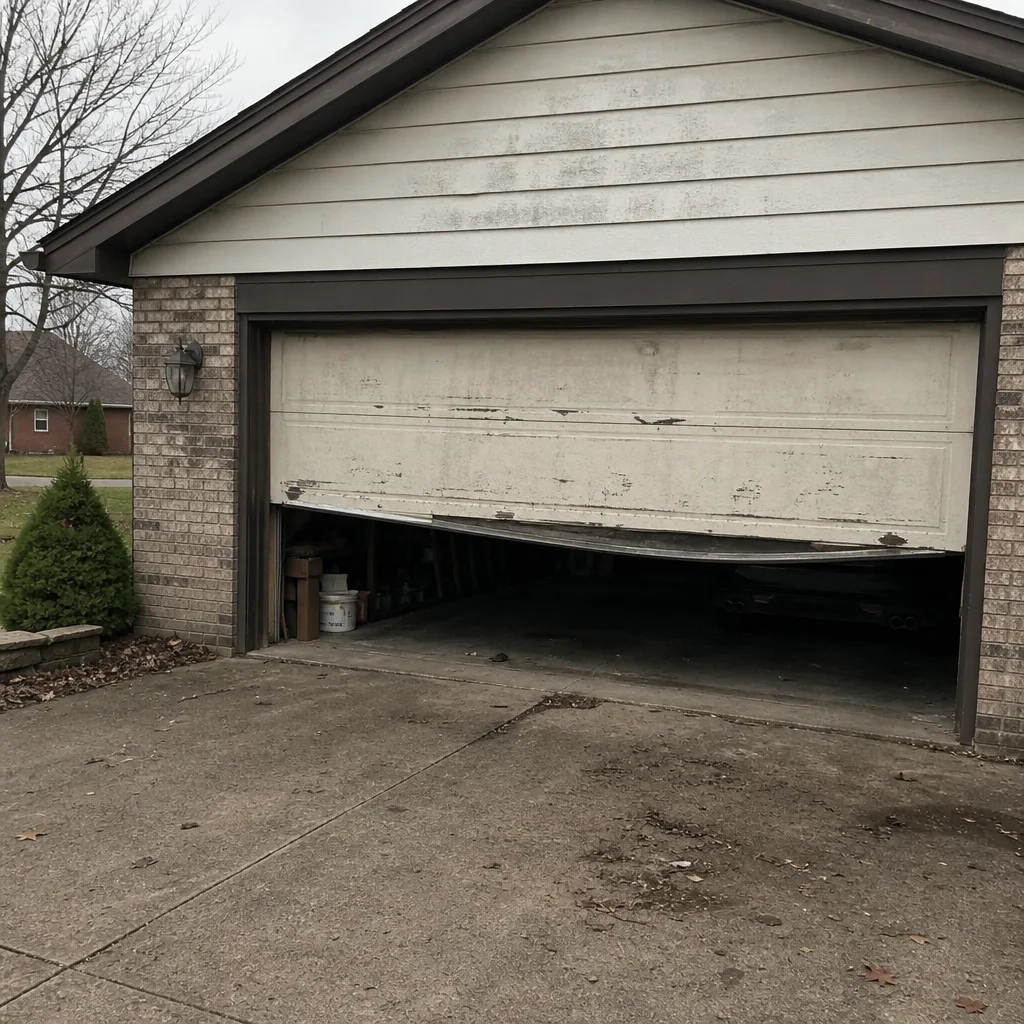 Before
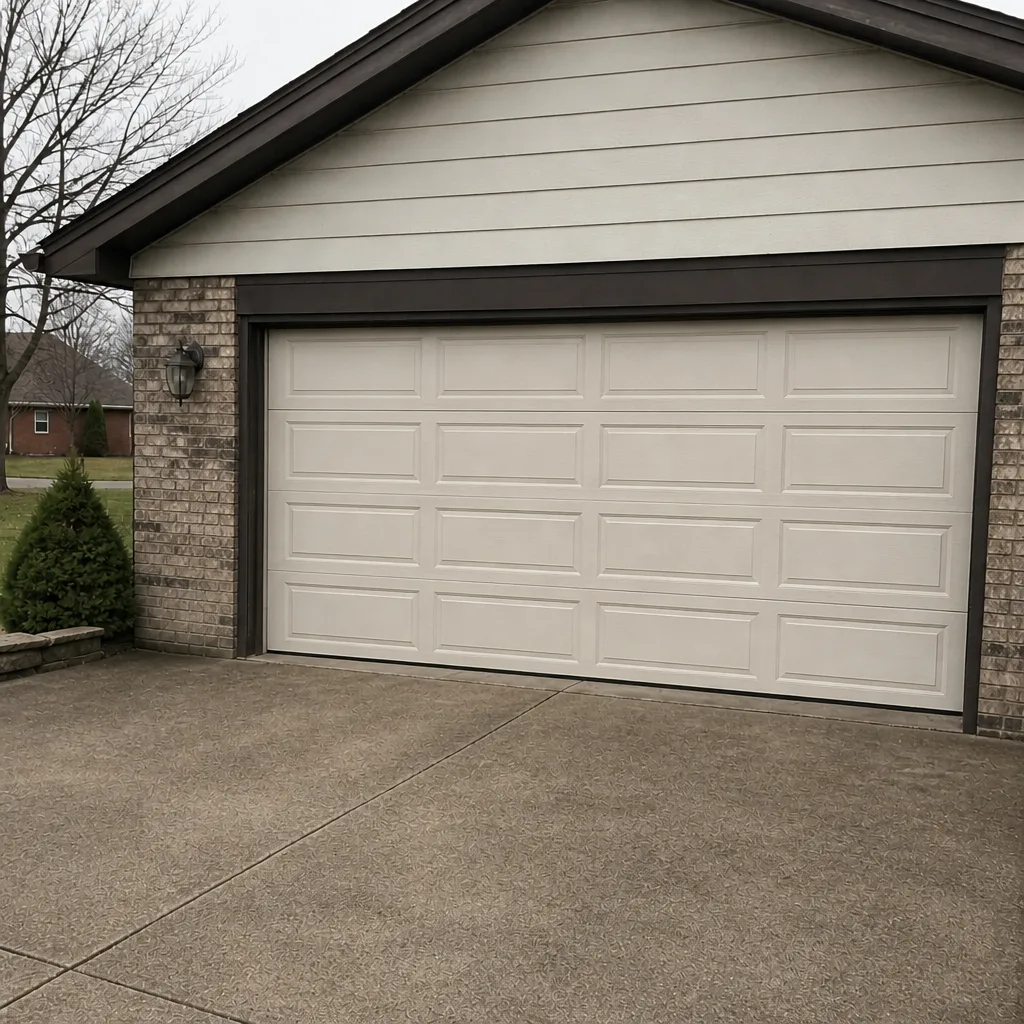 After
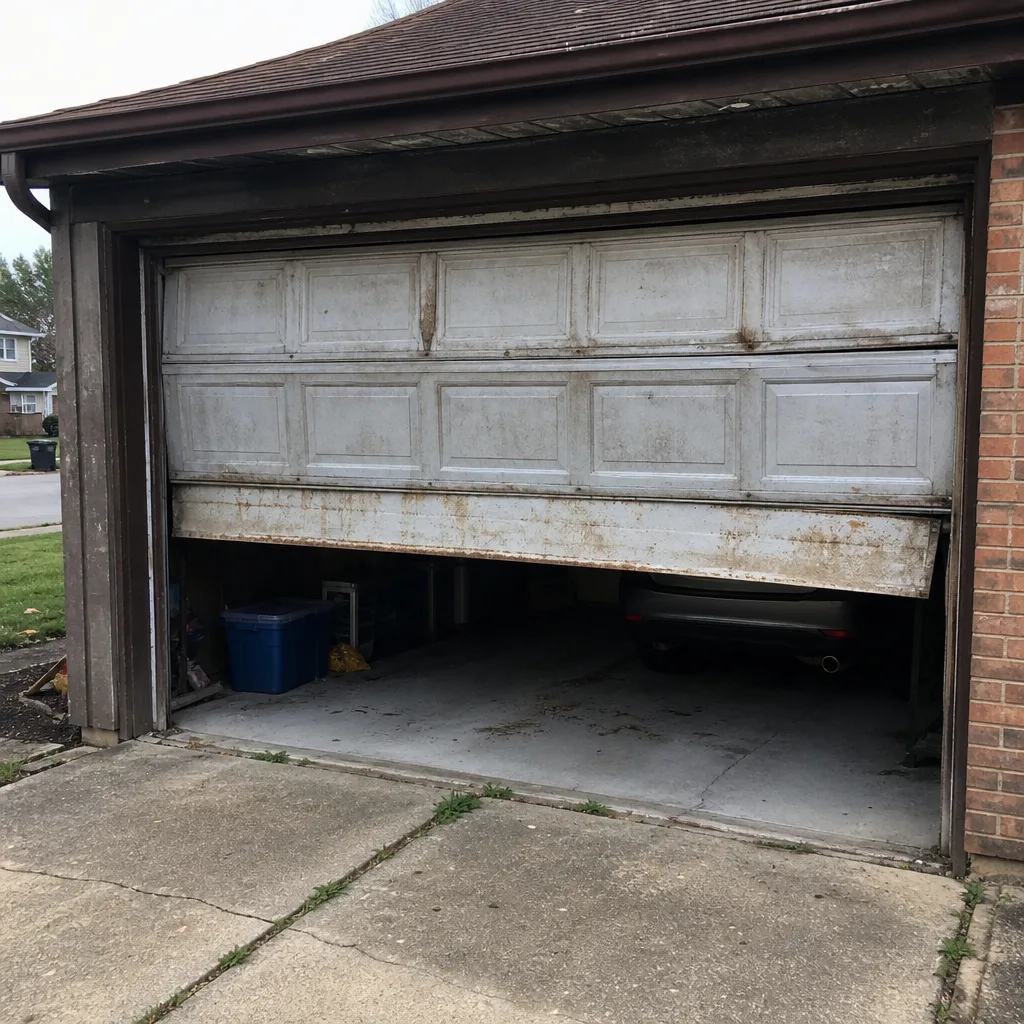 Before
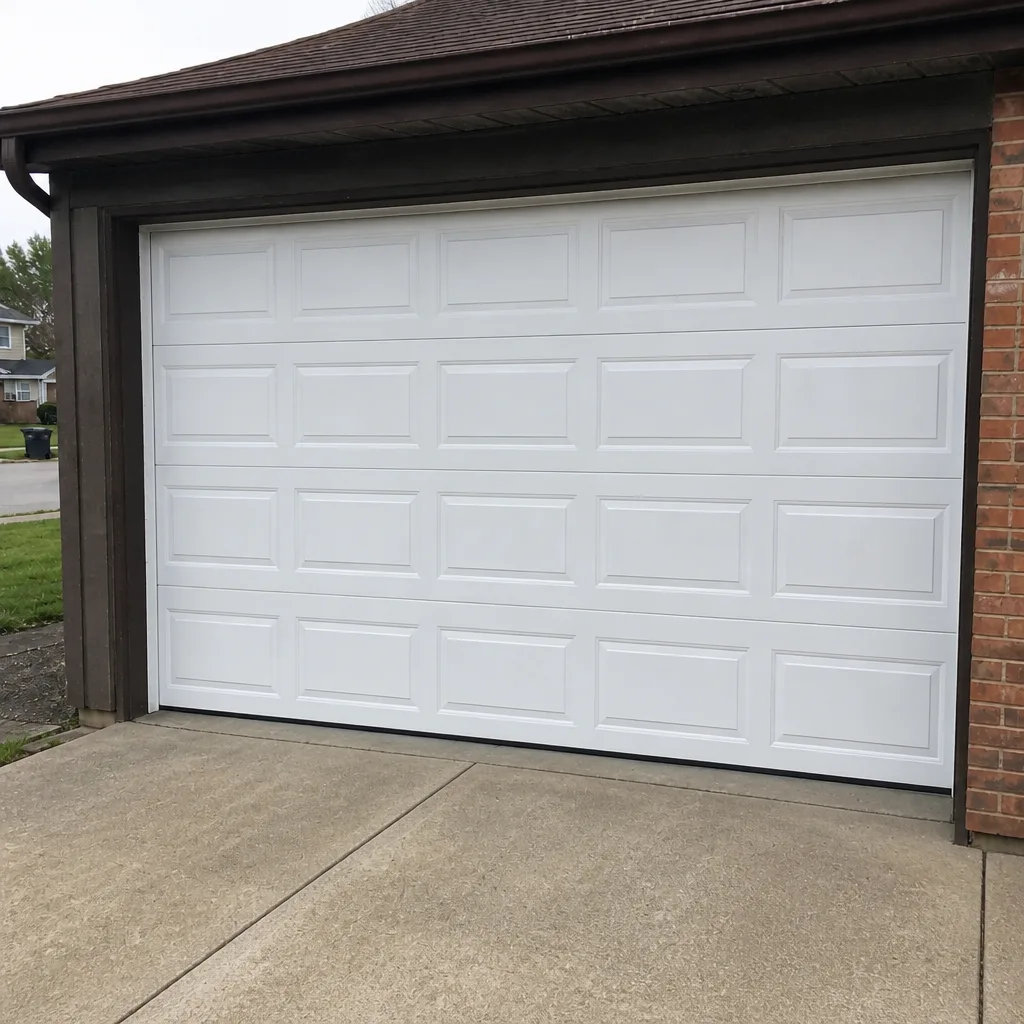 After
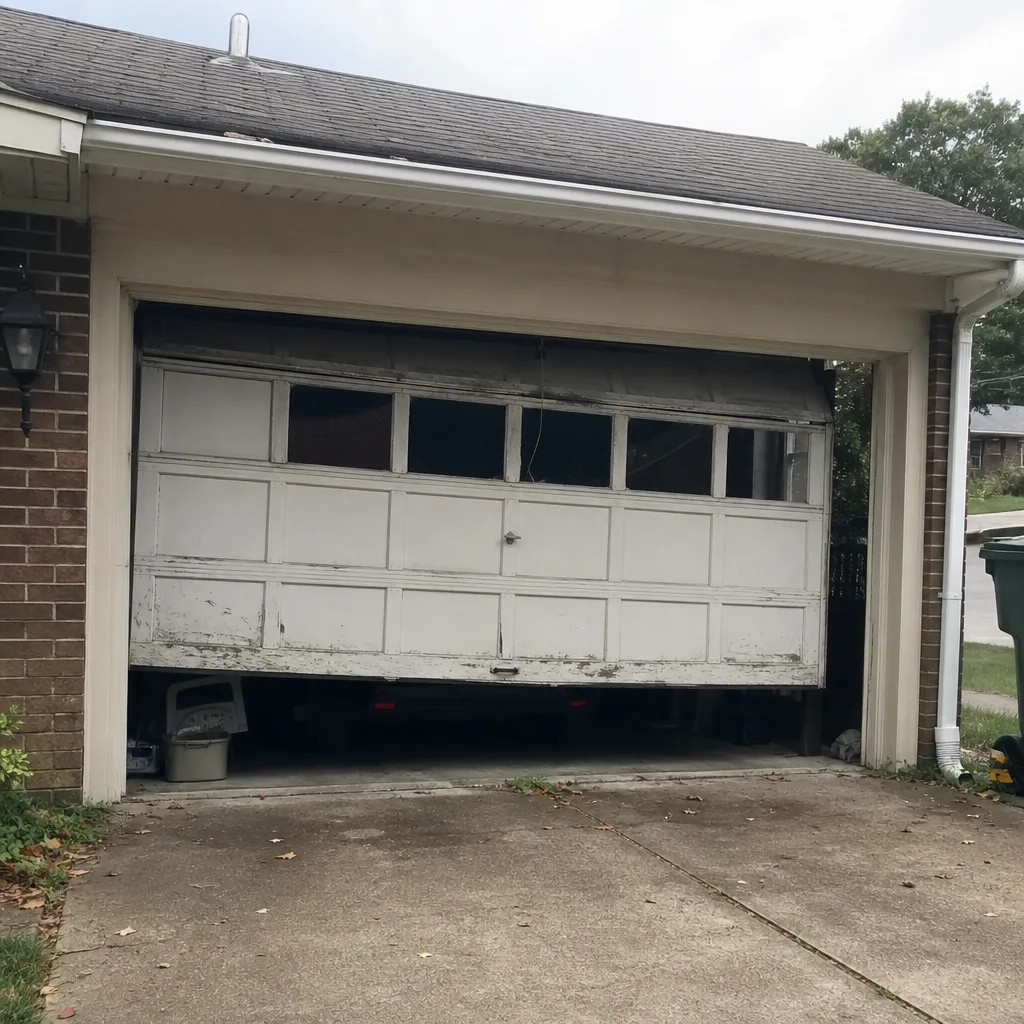 Before
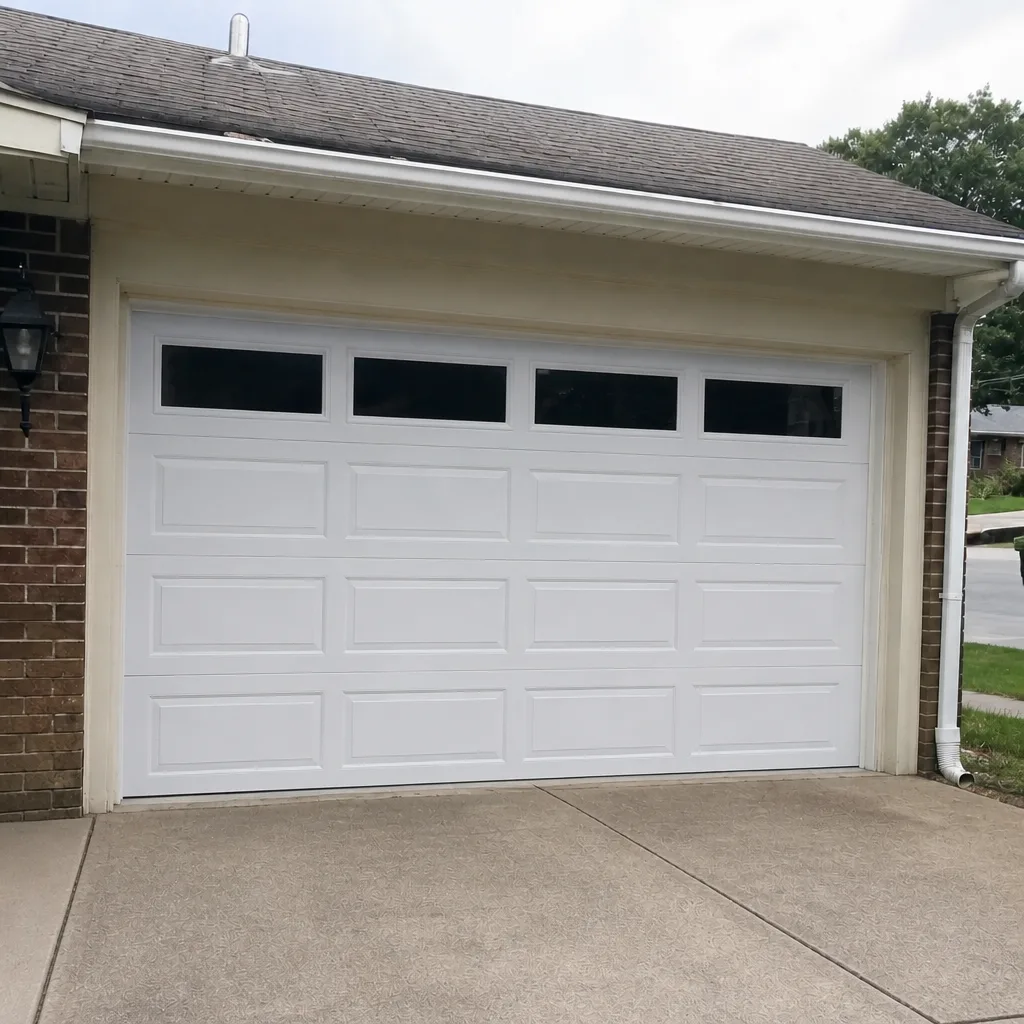 After
Common Mistakes to Avoid
- Assuming “same size” means “no permit.” Door size isn’t the only factor. If the wall above the opening is being cut or the framing around it is changing, the job is structural even if the door size is unchanged. Ask the contractor to confirm, not assume.
- Letting a contractor skip the permit on a header job. A header replacement without a permit leaves no record for the next buyer. Allegheny County buyers routinely request permit histories, and a missing permit is harder to explain than any other kind of paperwork gap.
- Pulling the permit yourself when the contractor should. The permit will be tied to whoever submits it, and the inspection responsibilities follow that. Get it in writing who pulls the permit before you sign the estimate.
- Closing the wall before the inspection. A structural inspection has to happen after the framing is complete and before the drywall goes back up. Skipping that step means reopening the wall later, which is expensive and avoidable.
- Forgetting to ask about the permit fee in the estimate. Permit fees are separate from install costs, and a contractor who doesn’t mention them in the estimate is either covering them or leaving them for you. Get it in writing.
- Treating a failing header as a door problem. Doors that drag or bind unexpectedly can be tracking a failing header above. Changing the door hardware doesn’t fix a load issue, and it can mask a problem that needs a permit.
- Doing a structural job mid-sale without documentation. If you’re selling a Bethel Park home and the garage door opening is being reworked, complete the permit and inspection before listing. A retroactive permit takes longer and may require opening finished walls.
When to Call a Professional
Call a professional when the door won’t close, when a spring snaps, when the door is binding or squealing, or when the opener won’t lift it cleanly. Those are all safety issues for a Bethel Park home, and none of them need a permit – they need a technician. Call before a door problem turns into a security problem. Call when a door replacement is being planned and you want the opening measured first, so the exempt-versus-permit question is answered before the order is placed. Call when the wall above the opening looks newer than the rest of the house, because that’s a structural question. Call when a twisted or cracked panel is letting in weather. Call when an opener from a brand like Chamberlain or Raynor is behaving erratically and the door itself is fine. Garage Door Repair Bethel Park offers free estimates in Bethel Park – call (877) 792-7284.
Frequently Asked Questions
No, a straight replacement in the existing opening does not require a permit in Bethel Park. The UCC treats a like-size door swap as cosmetic replacement. A permit only comes into play when the structure around the opening changes. If you’re unsure about your specific door, call us for a free estimate – (877) 792-7284.
Any structural work around the opening requires a permit, including header replacement, widening the opening, raising its height, or framing changes that affect the load path or the firewall between the garage and the house. Spring, opener and panel work never requires a permit. Call (877) 792-7284 for an exact quote – estimates are free.
Yes. Unpermitted structural work is a disclosure item in Pennsylvania and can delay or derail a Bethel Park home sale once a buyer’s inspector or attorney flags it. Producing the permit and inspection record resolves the issue, and obtaining a retroactive permit is possible but not guaranteed. Call (877) 792-7284 if you’d like us to look at the door and framing before you list.
Plan for at least a week when structural work is involved. The application goes through Bethel Park’s building department for review, then after the framing is done an inspection is scheduled and must pass before the wall is closed in. The exact timing depends on the department’s workload and how quickly plans are submitted. Call (877) 792-7284 and we can walk through what your scope involves.
No. The written estimate is the price, and it’s quoted and agreed before any work starts. If the scope changes – like a header that turns out to need replacement – we quote and get approval for the additional work before proceeding. Call (877) 792-7284 for a free estimate.
The local professional we connect you with is licensed and insured as their state requires. We work on eight of the most widely installed door and opener brands, including LiftMaster, Chamberlain, Raynor and Craftsman. Call (877) 792-7284 and we’ll confirm the details for your job.
The Bottom Line
The permit question around garage doors in Bethel Park comes down to one test: is the structure around the opening changing? If not, the door swap, repair, opener work, or spring replacement is exempt, and the project can move ahead on a normal schedule. If a header, opening size, or framing is being changed, a permit and inspection through Bethel Park’s building department are required, and skipping them creates a real problem for any future sale in Allegheny County. Ask your contractor to confirm the permit responsibility and scope in writing before work starts. Confirm the written estimate covers the permit fee if one applies. And treat any structural issue as a separate job from the door install, because it is.
If you want the door itself handled properly – repair, opener work, spring replacement or a full install – call Garage Door Repair Bethel Park at (877) 792-7284 for a free estimate. Our technicians have up to 9 years of experience, and every job is a garage door job. Same-day and emergency service is available when a door fails at the worst possible time, and the price is quoted and agreed before any work starts.
Written by the team at Garage Door Repair Bethel Park.