Last updated November 23, 2026
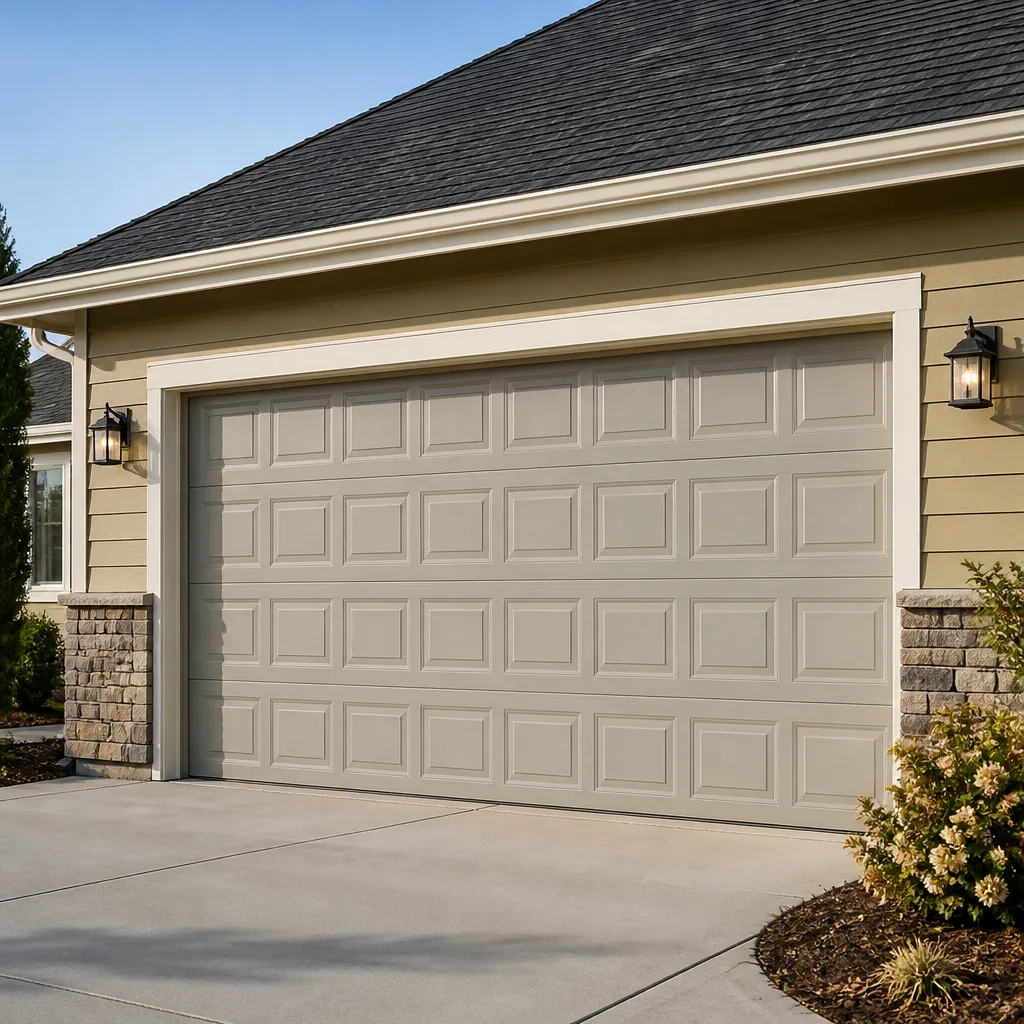 Raised-panel steel
 Carriage house
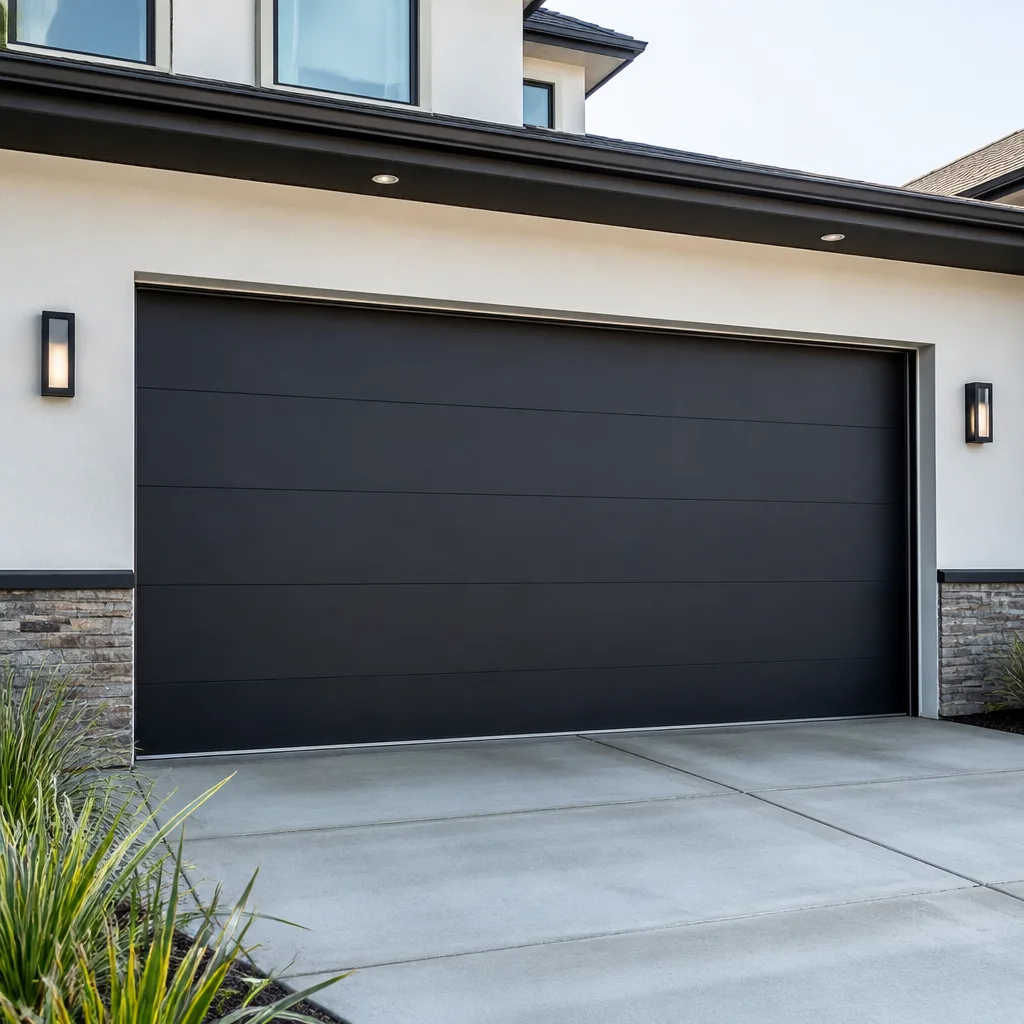 Modern flush
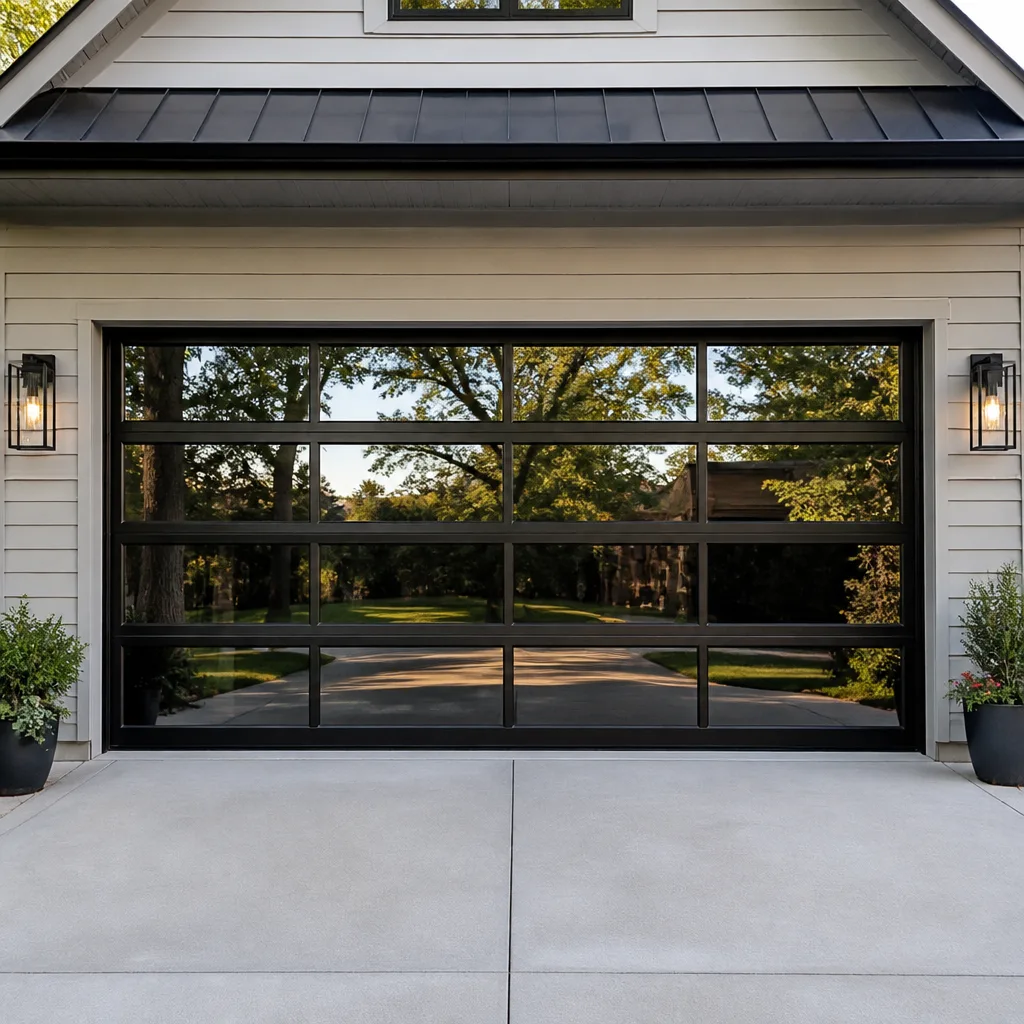 Full-view glass
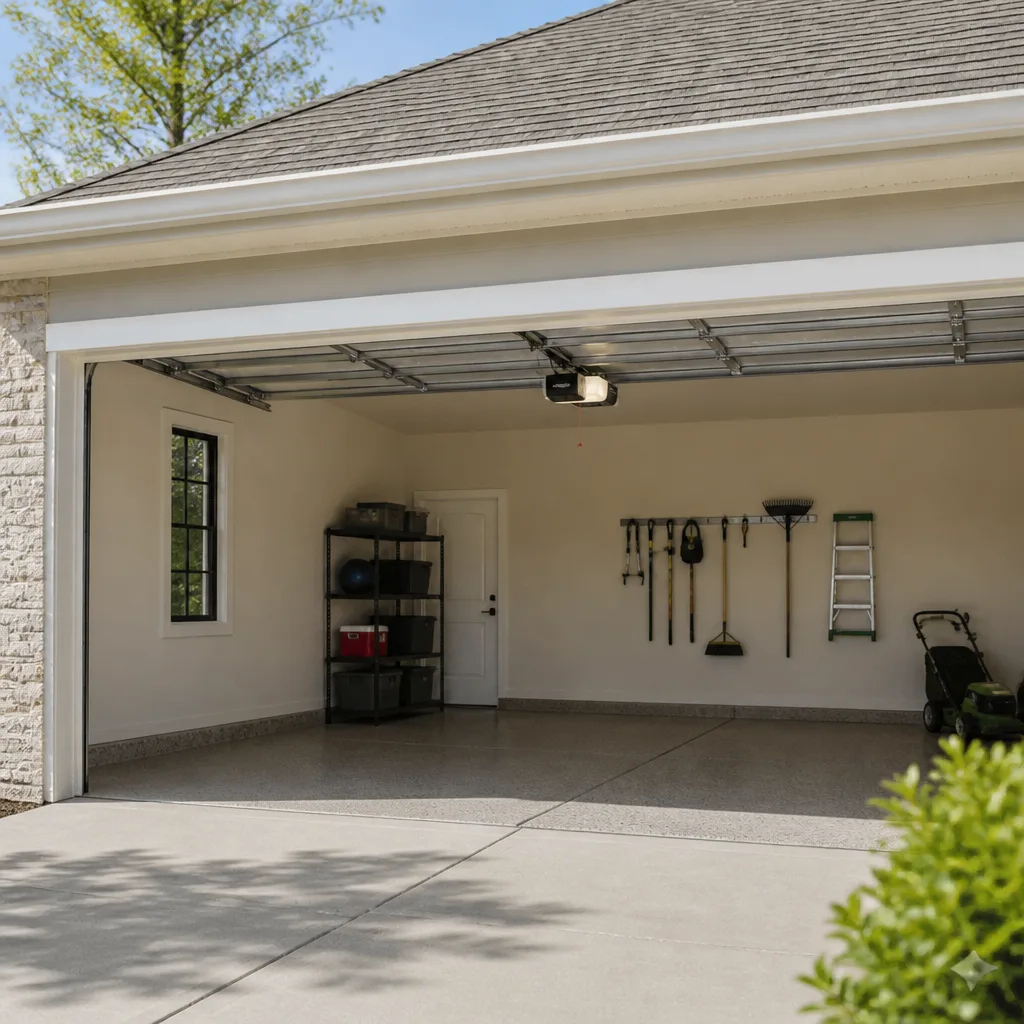 LiftMaster openers
 Chamberlain openers
Full 25-point door and opener safety check with every visit - springs, cables, rollers, tracks, and your LiftMaster or Chamberlain opener included
You get a price before we start. It does not change when the pro arrives.
Get your free estimateGarage Door Repair Maintenance Checklist for Bethel Park Homeowners
Most garage door maintenance advice is a single line: “lubricate moving parts.” That line, followed literally, is how garage doors get ruined. A can of WD-40 sprayed on the wrong component will accelerate wear faster than doing nothing at all. It’s the most common DIY maintenance mistake our technicians find on service calls around Bethel Park, and it usually shows up months later as a grinding opener or a door that shudders on the way down. This guide breaks the vague checklist into the specific checks that matter here: which lubricants belong where, which parts you should never touch, how to spot spring fatigue before it fails, and how to time each task to Bethel Park’s weather instead of a generic spring-and-fall split.
Quick Answer
A working garage door maintenance routine has two layers: a five-minute monthly check (balance, photo-eye alignment, auto-reverse test, visual spring inspection) and a deeper annual service that includes lubricating the right components with the right product, tightening hardware, and inspecting cables and rollers. In Bethel Park, the monthly check catches most developing problems early, and the annual service resets the door before the cold season.
Styles & brands we work with
- Raised-panel steel
- Carriage house
- Modern flush
- Full-view glass
- LiftMaster openers
- Chamberlain openers
Table of Contents
- The Five-Minute Monthly Check
- Which Lubricants Belong Where (and What to Never Touch)
- How to Spot Spring Fatigue Before It Fails
- Testing Auto-Reverse and Photo-Eye Alignment Without Tools
- Bethel Park Seasonal Timing: What to Do and When
- The Annual Inspection: What the Monthly Check Misses
- Common Mistakes to Avoid
- When to Call a Professional
The Five-Minute Monthly Check
The monthly check is a fast pass, not a repair session. Its only job is to catch something that’s changing before it becomes a failure. Set aside five minutes on the same day each month, and you’ll spot most developing issues before they leave you stuck with a door that won’t open.
Here’s the sequence:
- Listen while it runs. Stand in the garage and run the door up and down with the opener. You’re listening for squeaks, rattles, or a rhythmic thump. A new noise is the earliest warning you’ll get.
- Check the balance. Disconnect the opener (pull the release cord with the door fully closed), then lift the door by hand to about waist height. It should stay there. If it drops or rises on its own, the springs are out of balance.
- Look at the springs. Torsion springs sit on the shaft above the door; extension springs run along the tracks on either side. Inspect them for visible gaps or stretched sections. Do not touch them.
- Test the photo-eyes. With the door open, wave a hand across the small sensors mounted near the floor on each side. The door should reverse.
- Check the auto-reverse. Close the door and press down on the bottom edge with your hand as it meets the floor. The door should reverse on contact.
Write one line on a calendar each month noting what you heard and what the balance test showed. Patterns show up fast that way, and you’ll have a clear picture when something changes. If you find yourself closing a sticky door by hand for the third month in a row, that’s a signal to schedule a proper look. garage door repair is worth calling the moment the balance test stops being reliable.
Which Lubricants Belong Where (and What to Never Touch)
Lubrication is where DIY maintenance goes wrong most often, and it isn’t a matter of “more is better.” Some components need a specific product. Others need nothing at all, and a homeowner reaching for the wrong spray can cause more damage in thirty seconds than skipping the job entirely.
What to use where
- Hinges and metal pivot points: white lithium grease or a silicone-based lubricant. A thin film is enough.
- Rollers (metal): a drop of white lithium on the bearings. Nylon rollers rarely need anything, and applying grease can actually attract grit that wears them faster.
- Opener drive screw or chain: the manufacturer’s specified lubricant, not a general spray. A Chamberlain or Genie belt drive needs nothing; a chain or screw drive does. Follow the label on your unit.
- Tracks: nothing. Tracks should stay clean and dry. Wipe them with a rag, not a spray.
- Weatherstripping: a silicone spray or a wipe with a silicone-treated cloth keeps the bottom seal pliable through a cold winter.
What to never lubricate
- Torsion and extension springs. A spring is not a moving part that needs grease; it’s a tensioned wire under load. Grease attracts dirt, which wears the wire, and it can hide the hairline gaps that signal fatigue.
- Cables. Cables should never be oiled. Oil traps dust, and the friction between the strands is what lets you spot wear.
- The photo-eye lenses. Cleaning them is fine, but a lubricant or spray on the lens will fog it and cause ghost reverses.
WD-40 on a hinge is fine. WD-40 on a torsion spring or into the opener gearbox is not. On doors we see across Bethel Park, the spray-everything approach is usually the culprit behind a grinding opener or a roller that suddenly feels loose. If you’re not sure which lubricant your door takes, check the label on the door or opener before you buy anything. When the hardware looks worn enough that lubrication won’t help, give us a call – garage door opener repair is often the answer rather than a spray.
How to Spot Spring Fatigue Before It Fails
A torsion spring is a coiled steel wire held under heavy tension. When it fails, it releases that tension suddenly and loudly, and it can take the door down with it. The trick is to see the fatigue before the failure: springs usually give warning, and every one of those warnings is visual.
The visual checks
- Look for a gap. A healthy torsion spring has contiguous coils. A spring with a small visible gap between coils has started to unwind and is under stress.
- Check for a stretched section. An extension spring that looks longer than its partner on the other side is in trouble. The two springs on a door are supposed to match.
- Look for rust or dark pitting. Any discoloration on the coils is a sign that the wire is weakening.
- Watch for a growing gap between the spring and the shaft. A spring that has started to loosen its grip on the shaft is closer to failure than one that’s firmly coiled.
- Note any change in sound. A door that used to open smoothly and now thumps at the midpoint is telling you something about the spring tension.
All of these checks are eyes-only. A torsion spring under load can seriously injure anyone who touches it, and an extension spring that lets go has enough energy to break a bone. Our technicians have up to 9 years of experience working on both, and even they don’t reach for a spring without the right tools and technique. If any of these warning signs show up, stop cycling the door and get a professional out. When that becomes the answer, garage door spring repair should be scheduled promptly rather than tested by hand.
One more detail worth knowing: springs are matched pairs on most doors. If one is failing in a Bethel Park garage, the other has likely lived the same number of cycles and won’t be far behind. Any quote should include a per-spring figure, and the honest conversation is usually about replacing both at once.
Testing Auto-Reverse and Photo-Eye Alignment Without Tools
The two safety systems on a garage door are the auto-reverse (which reverses the door when it meets resistance) and the photo-eye (which reverses the door when something breaks the beam). Both can be tested without tools in about a minute each, and both are required to work by the manufacturer and by federal safety standards that have applied to residential openers for decades.
Auto-reverse test
- Place a piece of wood or a rolled towel about 2 inches thick on the ground under the middle of the door.
- Close the door with the opener.
- Watch what happens when the door meets the obstruction.
- The door should reverse direction immediately. If it stops and stays down, or grinds the object, the force settings need adjustment.
Photo-eye test
- Close the door and watch the LED indicator on each photo-eye.
- Wave a hand or a piece of cardboard across the beam between the two sensors.
- The door should reverse right away.
- If one LED is lit and the other isn’t, the alignment is off or a lens is dirty.
If a test fails, the honest fix is to adjust the opener’s force or photo-eye alignment per the instruction manual, not to raise the force limit until it “works.” A door that ignores an obstruction is a serious safety hazard, and in many homes the manufacture’s required response is to stop using the opener and book a service call. What a failed test requires in your home depends on your opener’s manual and on your local building department, so if it’s unclear, call the professionals who can adjust the travel and force per the brand – we work on Chamberlain, Genie, Clopay and Amarr hardware and know the settings that let a door reverse correctly without overshooting. Our Garage Door Repair Bethel Park team handles that kind of adjustment regularly.
Bethel Park Seasonal Timing: What to Do and When
Bethel Park gets a proper four-season swing. Winters bring cold snaps and freeze-thaw cycles, spring is wet, and summer can turn humid fast. The maintenance calendar here should reflect that instead of a generic spring-and-fall rhythm pulled from a national article.
Late winter (February into March)
- Check the bottom seal. Road salt, ice, and grit work on the weatherstripping all winter, so look for tears and flat spots now. A worn seal lets cold air, moisture, and mice in.
- Look at the rollers. Cold makes metal rollers contract and nylon rollers stiffen. A roller that felt fine in summer can rattle by February.
- Recheck your spring balance. Springs shorten and stiffen in the cold, and a door that was balanced in October can become sluggish after a cold snap.
Spring (April into May)
- Lubricate the hinges and metal rollers after the winter grit has had a chance to work in.
- Clean the tracks thoroughly with a rag, not a spray, once the wet season has passed.
- Test both safety features again after the door has been through a full winter cycle.
Summer (June into August)
- Watch for humidity swelling. Wooden panels, if you have them, can swell in a humid Bethel Park summer. That’s the moment to notice if a door suddenly sticks in the middle.
- Clear the photo-eye lenses. Dust and pollen build up on the lenses over the summer.
- Check the opener’s mounting bracket for loosening. Vibrations from regular use show up on hot days.
Fall (September into November)
- Apply silicone to the weatherstripping before the first freeze.
- Tighten the track brackets and hinges. Fall is the natural reset point for the hardware.
- Book the annual professional inspection before the heating season, so any spring or opener issues are addressed before the door is needed in the cold.
The Annual Inspection: What the Monthly Check Misses
The monthly check catches change. The annual inspection catches wear that’s already advanced but not yet visible from a quick look. If you’re only doing one, do the annual one; if you can do both, do both. The two don’t overlap much.
What the monthly check catches
- Sudden balance problems
- New noises
- Safety-system failures
- Visible spring damage
- Obvious photo-eye blockages
What the annual inspection catches
- Hairline cracks in the wire of a torsion spring
- Cable wear at the drum end
- Roller bearing wear that you can’t feel from a walk-by
- Opener gear and force-setting drift
- Hinge and bracket loosening that’s still within tolerance
- Panel alignment shifts that show up as the door binding at the top or bottom
- Weatherstripping compression loss that isn’t obvious until winter
The annual inspection also matters for the opener itself. Every major brand – Chamberlain, Genie, LiftMaster, Craftsman, Raynor – has its own force, travel, and safety-reverse settings. On a call, we check those against the manufacturer manual because a small drift in force settings is exactly what makes an auto-reverse test fail a month after the door felt fine. That adjustment isn’t something a homeowner should do by feel.
An annual inspection also checks the door’s structural bolts and the opener’s mounting plate against the ceiling. The natural vibration of a garage door works those loose over years, and a mounting plate that pulls out of drywall is a serious problem that a monthly walk-by check will never catch. If you’ve never had a professional look at the door, book a garage door repair inspection – it’s the fastest way to know where the door actually stands.
Common Mistakes to Avoid
- Spraying WD-40 on springs and cables. WD-40 is a solvent and light lubricant designed for metal-to-metal contact, not for tensioned springs or wire cables. It attracts dust and hides wear that you’d otherwise spot.
- Using a general-purpose grease on nylon rollers. Nylon rollers are designed to run on their bearings with almost no lubrication. Grease on a nylon roller is a magnet for grit and the fastest way to shorten its life.
- Adjusting opener force settings by trial and error. Cranking the force setting until the auto-reverse test “works” is the same as disabling the safety system. The opener’s manual and the door’s weight dictate the setting, not a guess.
- Painting over a failing panel. A Clopay or Amarr steel panel can look fine painted on the surface while the structural backing is rusted through. In Bethel Park’s wet freeze-thaw cycle, that hidden rust matters, so check the inner facing before you paint over the door.
- Waiting until a spring breaks to schedule service. A spring that’s visibly failing is a spring that’s already on the way out; a door that fails on a weekend or during a cold snap is a much more expensive day than a routine service.
- Treating a garage door like a handyman job. A general handyman can tighten a hinge. Springs, cables, and opener adjustments are a different category of work, and getting the door serviced by someone unfamiliar with the brand often means a second call.
- Testing the photo-eye with a hand and assuming it works for objects. A hand test can pass while a low object – a pet, a child’s toy – doesn’t trigger the beam. Wave a cardboard panel or a broom handle low to the ground as well.
When to Call a Professional
Some garage door problems belong on your monthly checklist. Others belong on a technician’s schedule the same week. The ones that belong on the checklist are noise, balance drift, and visible wear. The ones that belong on a call are springs that show any sign of fatigue, a door that reverses erratically, an opener that stops in mid-cycle, a cable that looks frayed, or a door that binds so hard you have to push it manually. On the spring and cable side specifically, a door with a damaged tensioned component is genuinely dangerous – nowhere near a handyman task, and not a job for the homeowner either.
If your door has been cycling poorly for more than a couple of weeks, we’d prefer to see it before it becomes an emergency than after. Garage Door Repair Bethel Park offers free estimates in Bethel Park. Call (877) 792-7284 and we’ll get a trained technician out to look at the door. We work on the brand already in your garage – including the full spread across garage door opener repair – and we cover repair, opener work, springs, and new installation all under one company, so you’re not chasing three contractors to solve one door.
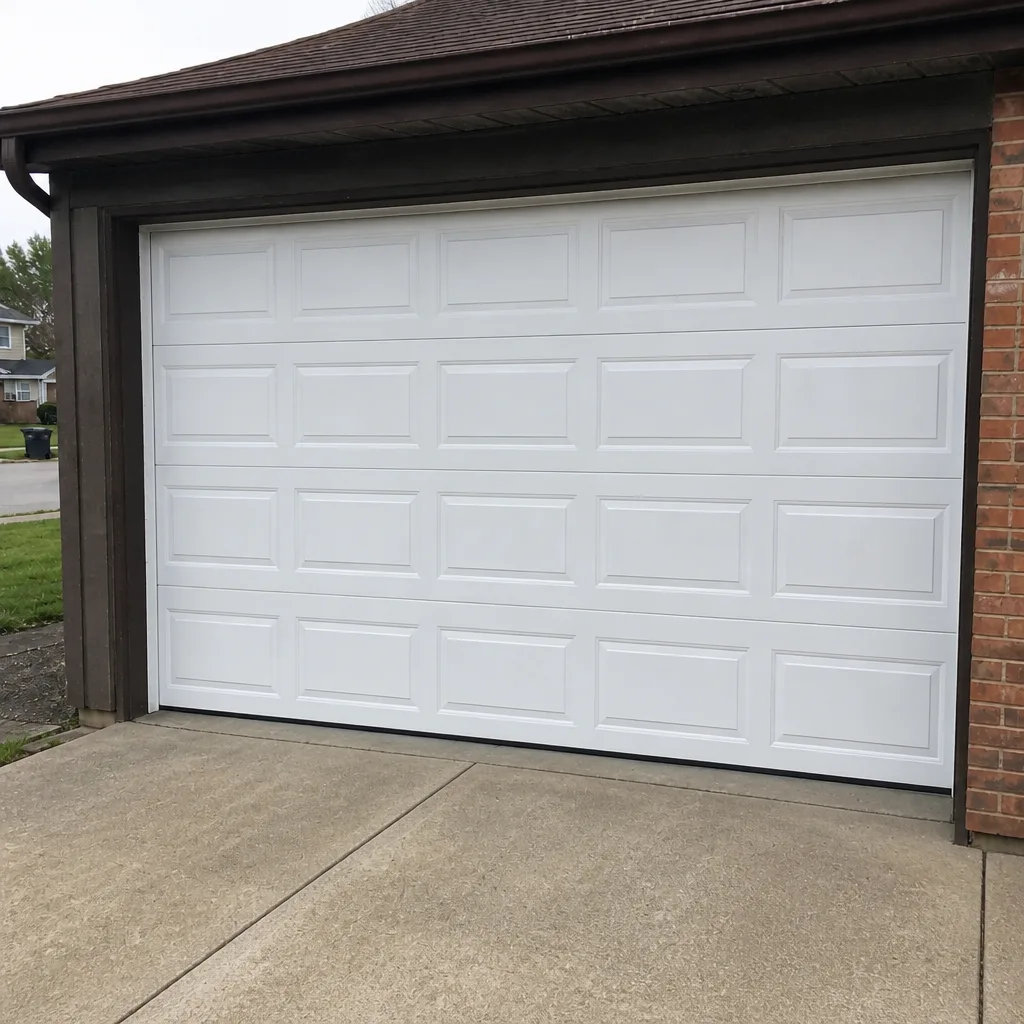
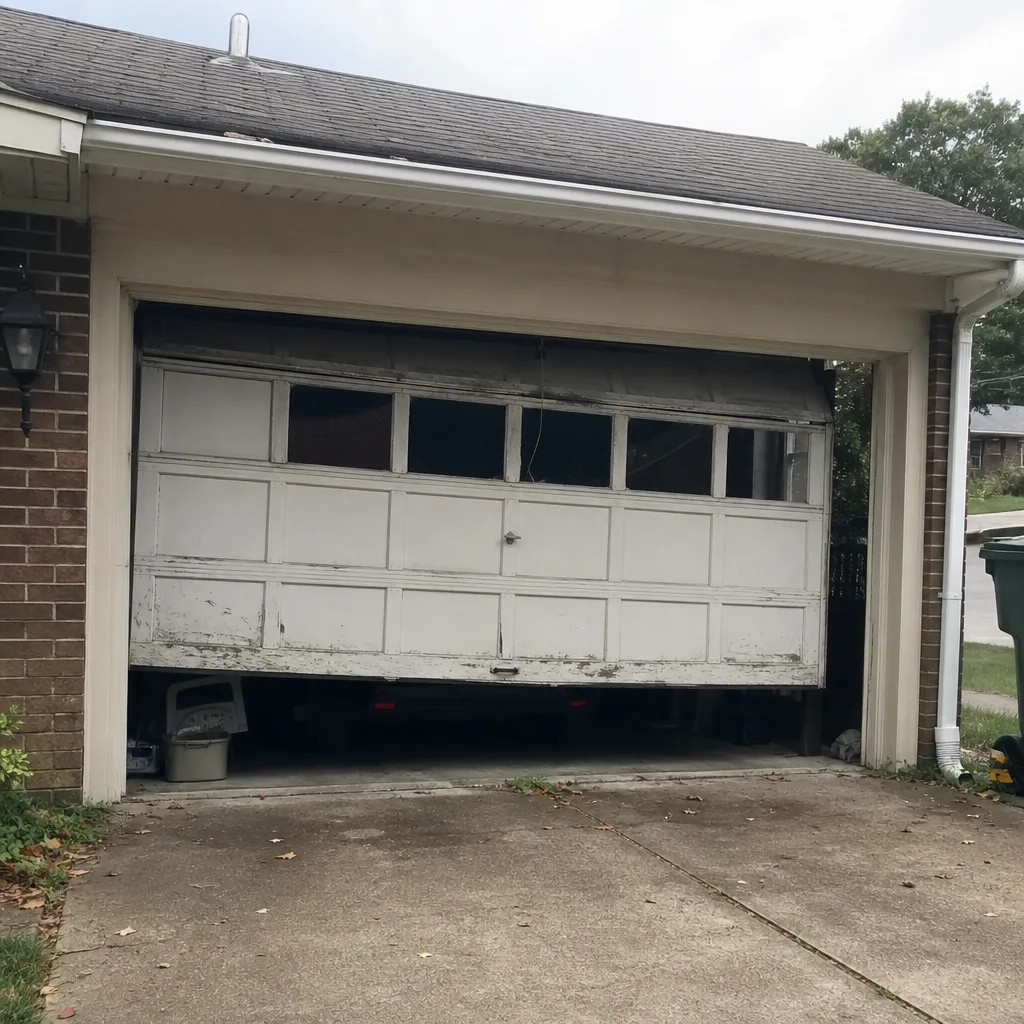
See the difference
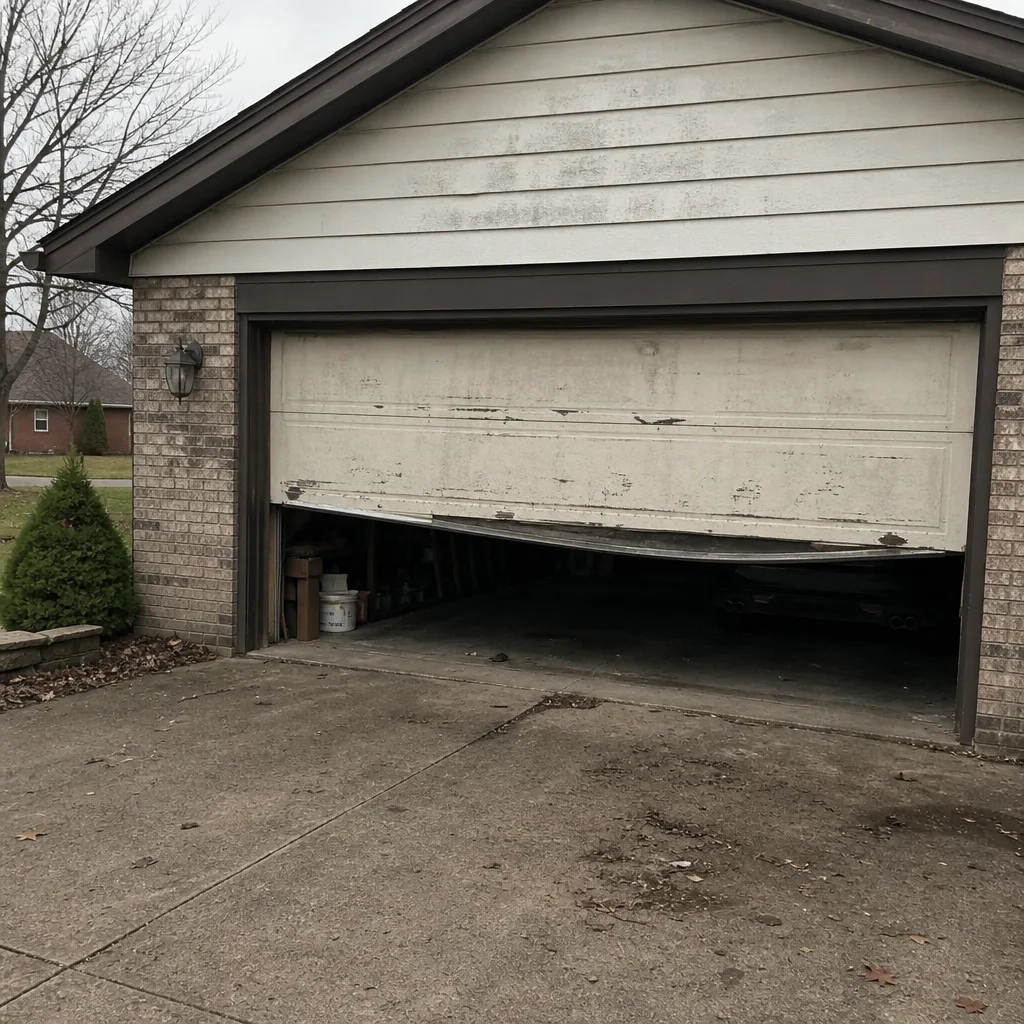 Before
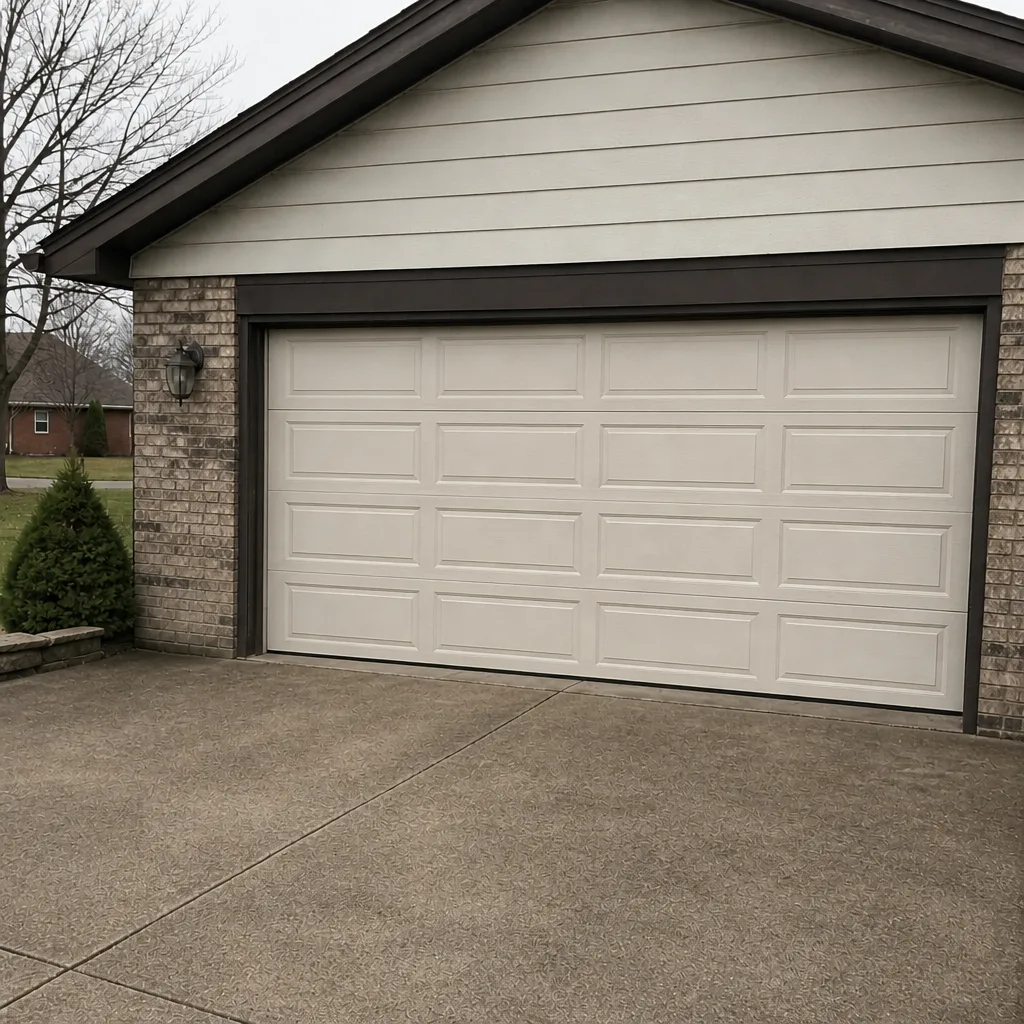 After
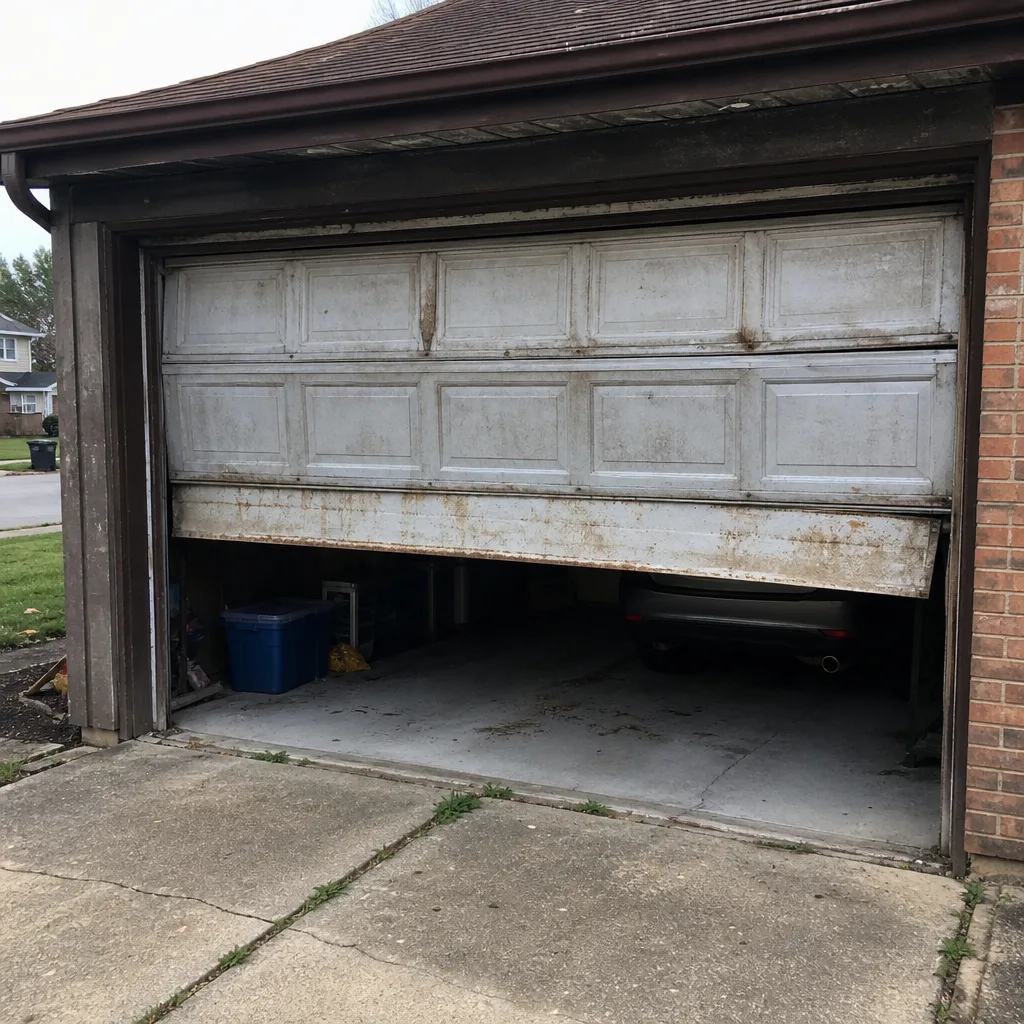 Before
 After
 Before
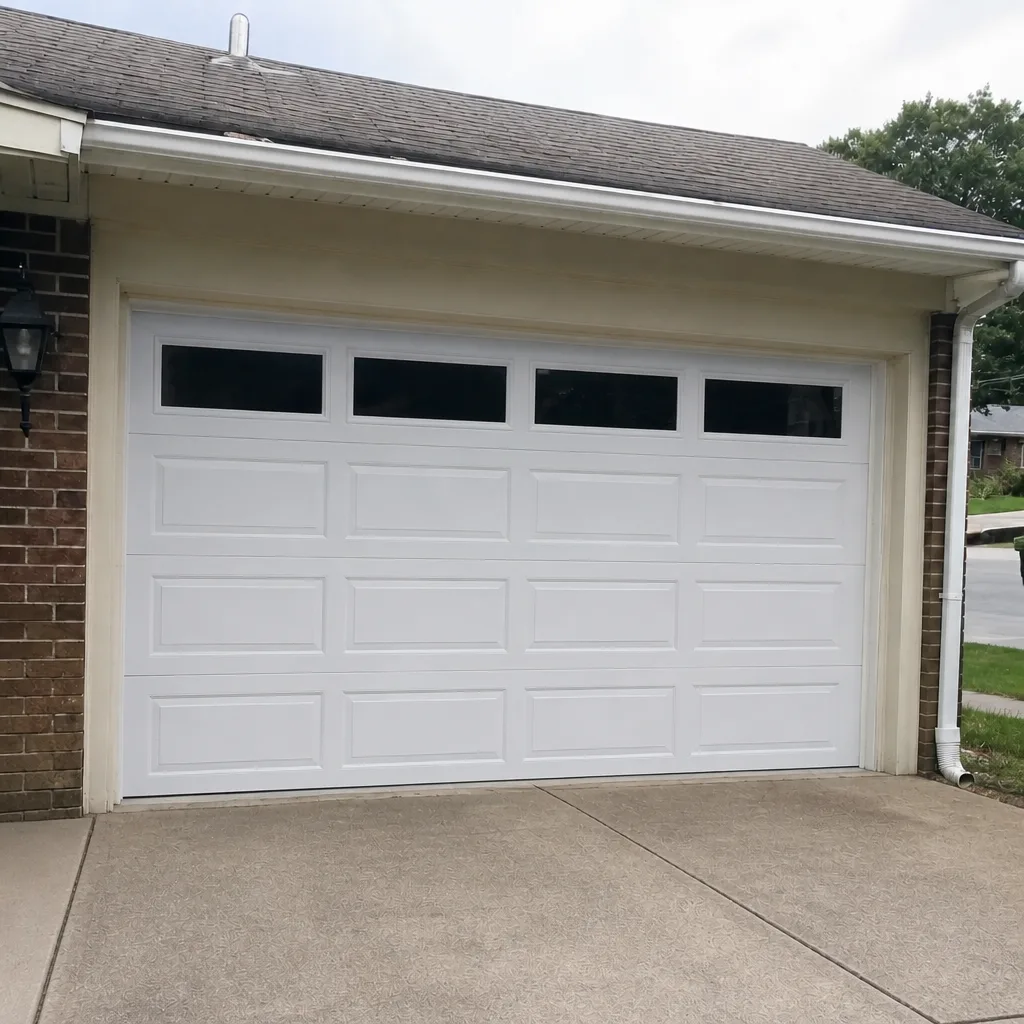 After
Frequently Asked Questions
Once a month for a five-minute visual and balance check, and once a year for a professional inspection. The monthly check catches developing problems like a hinge loosening or a photo-eye drifting; the annual inspection catches wear that’s inside the springs, cables, and opener internals where a walk-by can’t see. Bethel Park’s cold winters make the annual inspection especially useful in early fall, before the door has to work in freezing temperatures.
No. Garage door springs should never be lubricated by a homeowner. A torsion or extension spring is a tensioned wire under heavy load; adding grease or a spray attracts dust that wears the wire and can hide the gap or rust that signals fatigue. The safe maintenance move is to leave springs alone and call a technician if you see any visual sign of wear.
Spraying a general-purpose product like WD-40 on components that need a different lubricant or no lubrication at all. It shows up most often as a grinding opener from greased chain or screw drives, squeaking hinges treated with the wrong product, or springs and cables that have been oiled. A specific product on the specific component is the trick, not a spray on everything.
Yes, and you should, once a month. Place a 2-inch block of wood under the closing door and confirm the door reverses on contact. If it doesn’t reverse, don’t raise the force setting to make it pass – that disables the safety feature. Have a technician check the opener’s force and travel settings against the manual instead.
Look for a visible gap between coils on a torsion spring, a stretched section on an extension spring, or rust and dark pitting on the wire. Any of those means the spring is under stress and shouldn’t be worked on by hand. Stop using the door and get a professional out. Springs work as a matched pair, so if one is failing, budget for both.
Not fundamentally, but the specifics vary. The opener’s force and travel settings differ across brands like Chamberlain, Genie, Clopay, and Amarr, and so does the recommended lubricant for the drive mechanism. The manufacturer manual for your specific unit is the source of truth for those details, and a technician familiar with the brand will already know what settings and parts the door wants.
The Bottom Line
Garage door maintenance isn’t a list of things to spray. It’s a layered routine: a five-minute monthly check for balance, safety tests, and visible spring wear; an annual inspection that catches what the monthly check can’t; a seasonal calendar timed to Bethel Park’s freeze-thaw cycle; and a strict “hands off” rule on springs, cables, and opener force settings. The right lubricant on the right component is useful. The wrong lubricant on the wrong component is worse than doing nothing. If you’d rather have a trained set of eyes on it – and spring, cable, and opener work deserves that – we’re a garage door specialist, not a generalist. Call (877) 792-7284 for a free estimate in Bethel Park, and we’ll tell you exactly what your door needs and what it doesn’t.
Written by the team at Garage Door Repair Bethel Park.