Last updated November 23, 2026
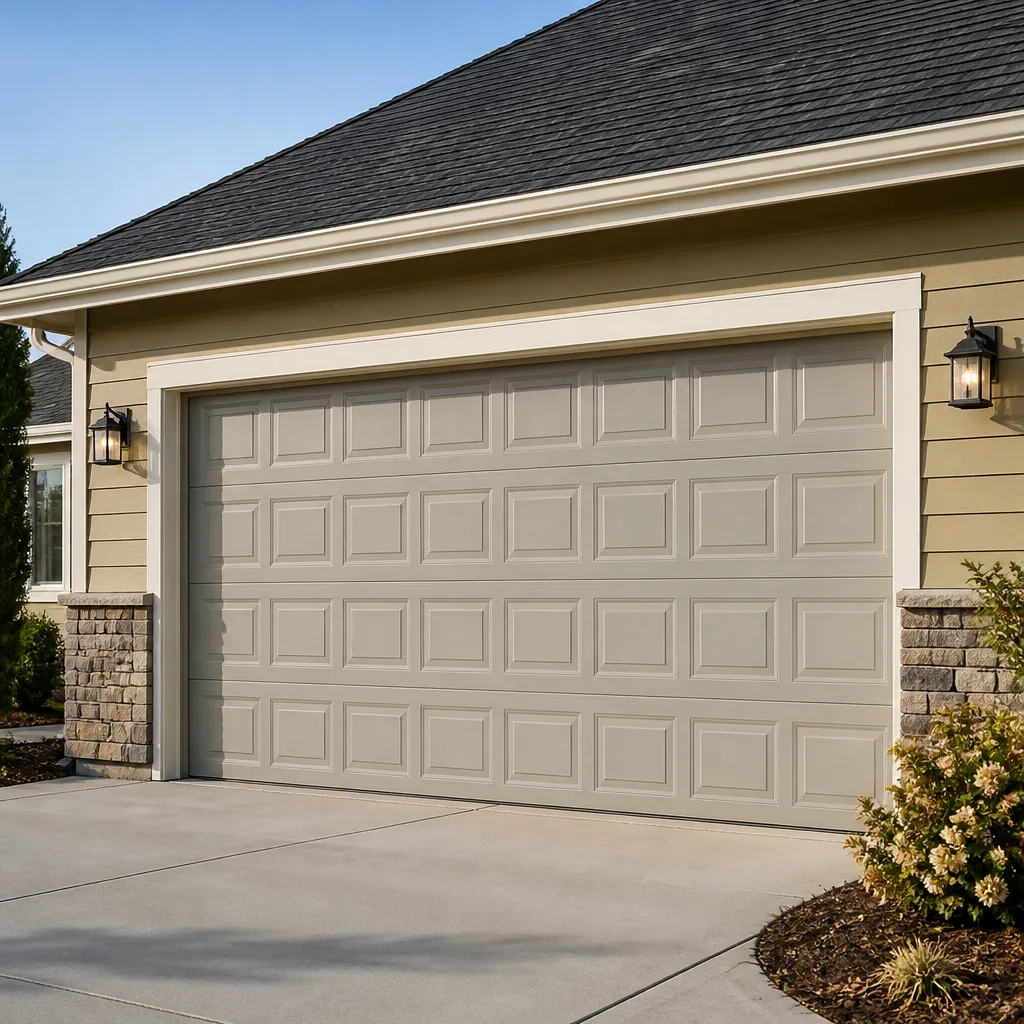 Raised-panel steel
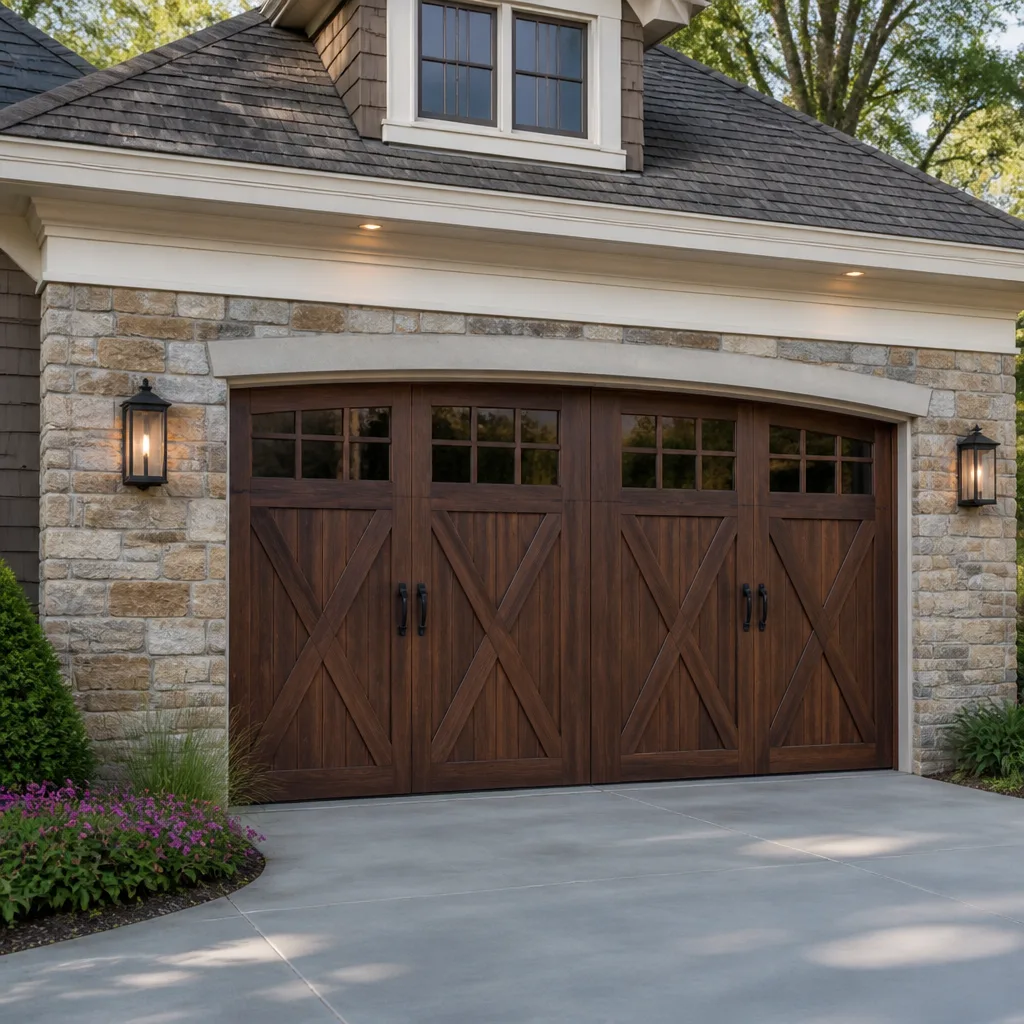 Carriage house
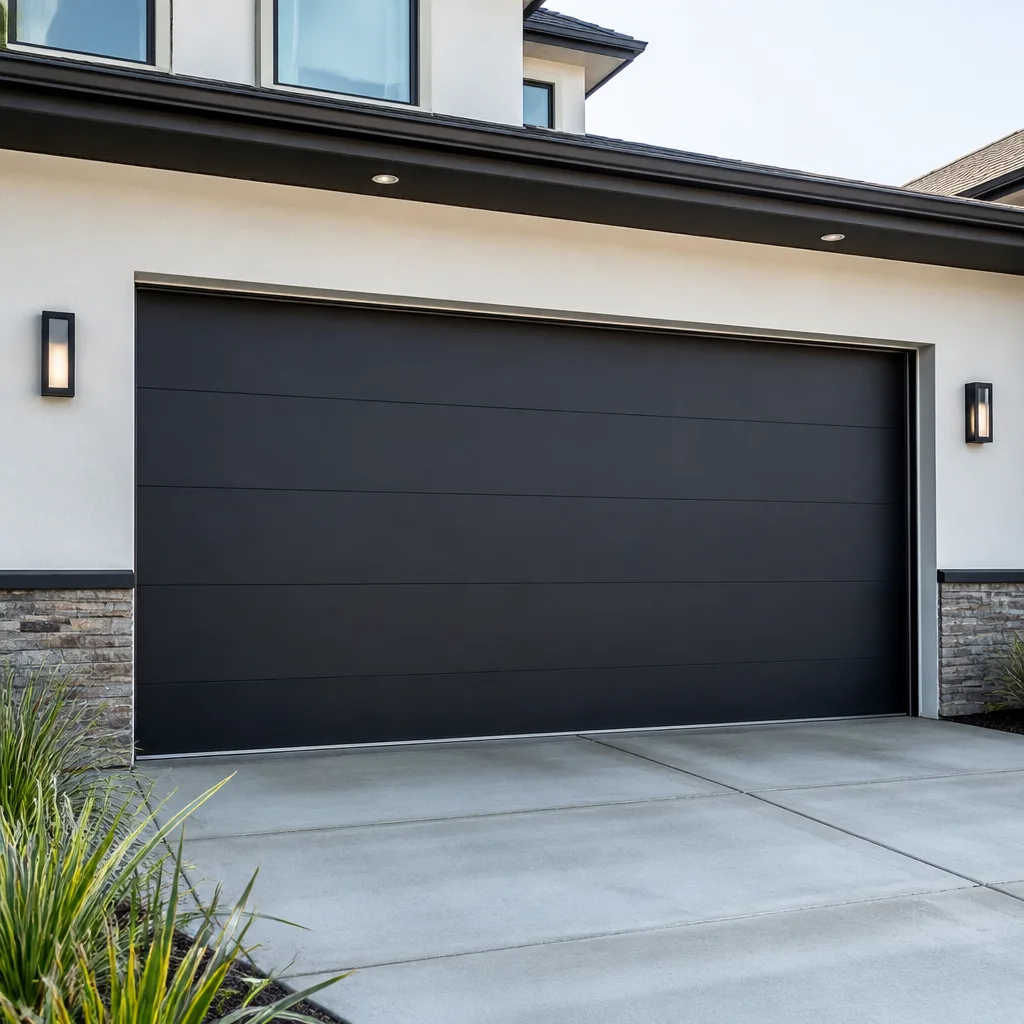 Modern flush
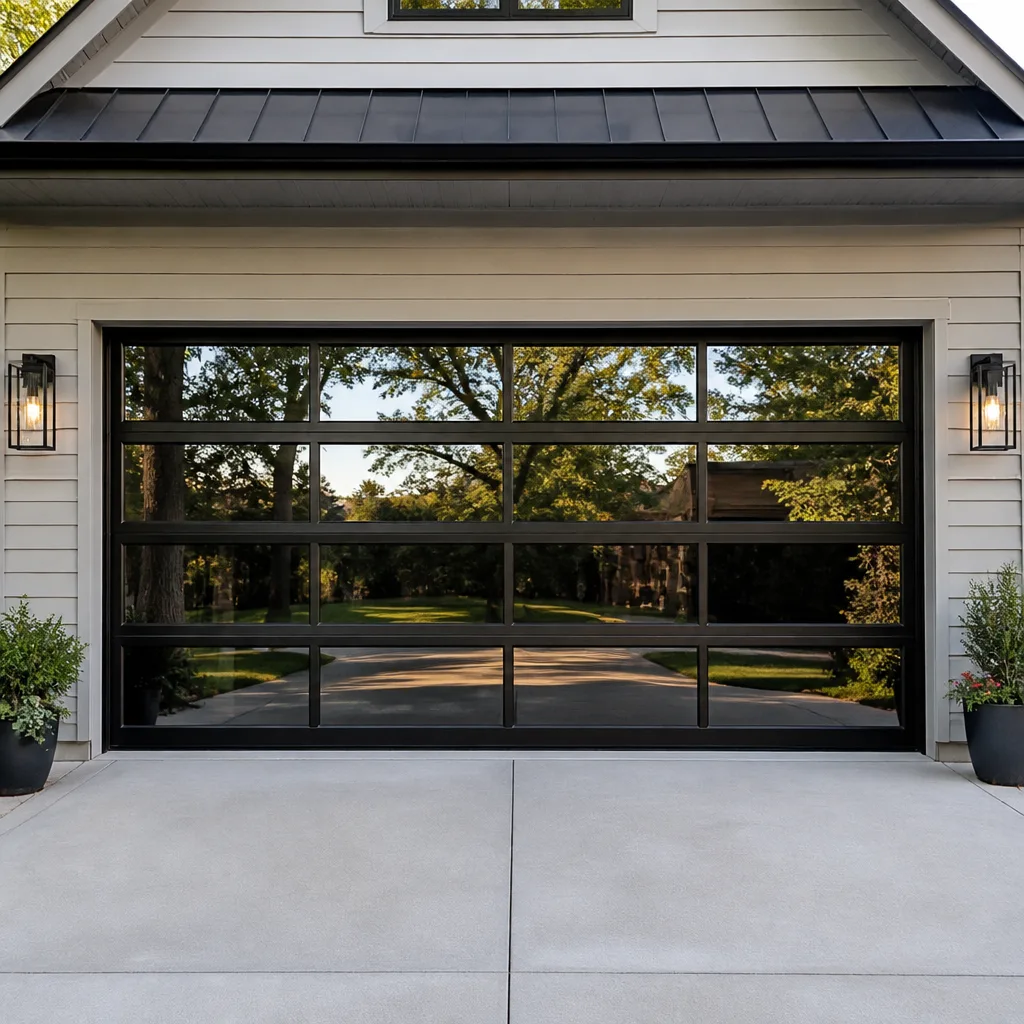 Full-view glass
 LiftMaster openers
 Chamberlain openers
Full 25-point door and opener safety check with every visit - springs, cables, rollers, tracks, and your LiftMaster or Chamberlain opener included
You get a price before we start. It does not change when the pro arrives.
Get your free estimateDIY vs Professional Garage Door: The Bethel Park Homeowner’s Decision Guide
Most garage door advice online treats this as a skill question: are you handy enough to fix it yourself? That’s the wrong test. The real question is whether the specific task in front of you can injure you or damage your home no matter how careful you are. Torsion springs store enough energy to cause permanent injury during removal, and it isn’t a matter of being cautious; the stored force is released the moment the wrong component is loosened, whether you’re watching a tutorial or not. This guide draws a clear line between the tasks a mechanically competent homeowner can safely handle and the ones that call for a trained technician, with the cost math, warranty realities, and prep shortcuts that actually matter in Bethel Park.
Quick Answer
In Bethel Park, the honest split is this: routine maintenance, remote and keypad programming, roller and weather-seal replacement, and visual inspections are reasonable DIY projects. Torsion and extension spring work, cable replacement, opener installation and adjustment, track realignment after impact, and full door replacement are professional jobs, because the injury risk and warranty consequences are real regardless of your skill level. When the spring or opener is the problem, call Garage Door Repair Bethel Park at (877) 792-7284 for a free estimate.
Styles & brands we work with
- Raised-panel steel
- Carriage house
- Modern flush
- Full-view glass
- LiftMaster openers
- Chamberlain openers
Table of Contents
- What Can a Homeowner Safely Do on a Garage Door in Bethel Park?
- Why Is Torsion Spring Work Categorically Different From Other Home Repairs?
- What Does DIY Opener Installation Void, Warranty-Wise?
- When Does DIY Stop Making Financial Sense?
- What Can You Prep Before a Technician Arrives in Bethel Park?
- When Is Calling a Professional the Only Reasonable Choice?
- Common Mistakes to Avoid
- When to Call a Professional
What Can a Homeowner Safely Do on a Garage Door in Bethel Park?
A mechanically confident homeowner can handle a defined set of garage door tasks safely with basic hand tools. Anything involving the torsion assembly, cables under tension, or the bottom bracket where the cable attaches is off limits. Everything else is fair game for someone who reads the manual and takes their time.
The safe DIY list:
- Lubricating hinges, rollers, and the torsion bar bearings with a proper garage door lubricant.
- Replacing rollers, which come off with a wrench once the door is fully down and the tension relieved.
- Swapping weather seal along the bottom of the door and around the jambs.
- Programming remotes, keypads, and clearing memory on the opener head unit.
- Testing the safety reverse feature by placing a two-by-four on the floor and watching the door reverse.
- Wiping the photo-eye lenses and checking that they’re aligned.
- Tightening visible track bolts that have worked loose over time.
Homes across Bethel Park, from the older blocks near the T station to the subdivisions off Route 88, have doors that see hard freeze-thaw cycles each winter. That means rollers, seals, and hinge bolts wear faster here than a garage door manual might suggest. A homeowner who checks the hardware twice a year and keeps everything lubricated can catch problems before they become repairs. What we’ve seen time and again is that the difference between a door that lasts a decade or more and one that fails early comes down to maintenance, not luck.
The roller and seal work is genuinely a beginner job. It requires nothing more than a screwdriver, a set of wrenches, and maybe fifteen minutes. What it does not require, and what could hurt you if attempted, is touching the spring assembly that holds the door’s weight. That’s where DIY stops and professional hands start.
Why Is Torsion Spring Work Categorically Different From Other Home Repairs?
Torsion springs are not like a leaking faucet or a stuck window. They are pre-loaded under so much tension that releasing that tension improperly can cause severe injury in a fraction of a second. No amount of carefulness makes removing or installing one safe for a homeowner working without the proper winding bars and the training to use them.
Here’s what makes the spring job fundamentally different:
- The energy is stored, not visible. A fully wound torsion spring holds the entire working load of a door that might weigh well over 150 pounds. That force is silently waiting. When it releases, it releases all at once.
- There’s no partial-credit failure. With plumbing, a mistake means a drip or a puddle. With a wound spring, a slip with the wrong tool can send a winding bar or spring winding toward your body or your head. It happens fast enough that reflexes don’t help.
- The spring can be broken and still dangerous. A door that won’t lift doesn’t mean the spring is calm. A snapped spring is one thing; a spring on its last life that’s still holding tension is another. You don’t know which you have until someone trained takes it apart.
- Cables run alongside. Lifting a door on a broken spring can snap a cable loose or send a bottom bracket flying. That’s why a door should never be forced open if it won’t lift normally.
Extension springs on older doors carry the same hazard profile, with the added complication that they run alongside the tracks and can whip if a safety cable fails. This is the kind of work that belongs on our garage door spring repair side of the business, where the technicians know what to expect and how to release stored energy without putting anybody in the room in danger.
For a Bethel Park homeowner with a door that won’t open, the right move on a spring is always the same: don’t force it, don’t start loosening anything, and call for a professional. The cost of a spring replacement is minor compared to a hospital visit.
What Does DIY Opener Installation Void, Warranty-Wise?
Most manufacturers make the warranty conditional on professional installation, and DIY opener installation frequently voids the part or unit warranty outright. When a motor or control board fails two or three years later, the manufacturer can look at the installation and decide it wasn’t done to spec. What you thought would be a covered replacement turns into a full out-of-pocket cost.
The warranty issues homeowners run into most often:
- Improper rail assembly and alignment. A rail that’s off by a fraction of an inch puts sideways stress on the motor, and a manufacturer can call that an installation error rather than a defect.
- Wrong header bracket placement. If the bracket isn’t mounted where the manual specifies, the opener travels wrong and wears the drive gear prematurely. That failure typically isn’t covered.
- Missing or wrong force settings. The safety reverse force must be set to spec. A door that slams down on a bicycle isn’t a warranty problem, but it is a serious safety problem, and it’s often traced back to a DIY force calibration.
- Electrical issues. A mistaken low-voltage connection or a spliced safety-eye wire is a common DIY failure that voids coverage on the control board.
We work on the brand already in your garage, and that includes the major openers Bethel Park homes commonly run: LiftMaster, Chamberlain, Genie, and Craftsman among them. When we install one, the manufacturer’s installation method is followed because it’s the thing that keeps the warranty alive two years down the road. That’s part of what a professional install buys you: not just the install itself, but the ability to make a warranty claim when a component fails. If you want the connection documented without hidden surprises, our garage door opener repair service handles both repair and replacement so the unit is set up to spec from day one.
When Does DIY Stop Making Financial Sense?
DIY stops making financial sense once you start factoring in specialty tools, redo risk, and warranty exposure. On the surface a part costs less than a service call. Add the winding bars, a torque wrench, a replacement for the part you broke figuring it out, and the risk of doing it twice, and the gap narrows quickly. On spring and opener work, it often disappears.
Here’s the honest math on the common garage door tasks, comparing what DIY really costs against a professional estimate. The ranges below reflect typical Bethel Park market estimates; the written estimate you get is the final word.
Typical cost ranges in Bethel Park
| Task | Typical professional estimate | DIY reality |
|---|---|---|
| Single torsion spring replacement | $180-$340 per spring | Spring $30-$80, but requires winding bars and training; matched pair usually replaced together (roughly double the single price) |
| Cable replacement | $120-$240 | Cables $20-$50; wrong replacement risks door drop, cable whip |
| Roller replacement | $80-$180 | Rollers $15-$40; this one is a fair DIY project |
| Weather seal replacement | $60-$140 | Seal $20-$50; safe DIY |
| Opener replacement (installed) | $300-$650 | Unit $150-$400; install voids warranty if not done to spec |
| Opener repair (board, gear, sensor) | $120-$320 | Replacement parts $40-$150; diagnosis is where DIY stalls |
| Track realignment after impact | $150-$350 | Rarely DIY; bending tracks back can break panels, cables, or the door |
| Full door replacement | Estimate varies by door size, material, and brand | Not a DIY job; the door, springs, and tracks all ship as a matched system |
Where DIY genuinely wins is on maintenance and the cheap parts: rollers, seals, lubrication, and remote programming. Where it loses is on anything with stored energy or a warranty exposure. The math on a broken spring looks attractive on paper until you’re buying $60 worth of winding bars to use once, and it collapses entirely if the door comes down on the car. A professional estimate gets you a fixed number, an insured job, and a working door in a single visit. Our garage door repair service starts with a written estimate that we agree to before any work begins, so the price doesn’t shift once the door is apart.
What Can You Prep Before a Technician Arrives in Bethel Park?
There’s a legitimate middle ground that most DIY guides ignore: homeowners can clear the work area and gather information ahead of the visit, which shortens the billable time. We point this out because it’s the DIY-friendliest thing that pays off. A technician who walks into an organized garage and knows exactly what the door has been doing works faster, and that savings lands on your invoice.
Before a service call in Bethel Park, do these:
- Clear the floor under and around the door. Bikes, bins, shelving, and the car need to be out of the swing path and out of the technician’s working space.
- Note what the door does and when. Does it hesitate, reverse, make a popping sound, or fail to close? Write the sequence down so nothing is glossed over.
- Check the opener lens for a flashing error code. Most major openers diagnose themselves with a pattern of blinks. Photograph the light pattern or note the count.
- Grab the model plate. On the opener rail and sometimes inside the door panel, the model and serial sticker saves a full lookup step.
- Locate your remotes and keypad code. If the issue is remote programming, having one working and one non-working remote ready to test saves time.
- Note the door brand if visible. Clopay, Amarr, and Wayne Dalton panels carry brand marks that tell the technician which hardware and seal fit correctly.
- Leave the door down and don’t force it. If it won’t lift, do not try to help it. That’s the single most common way a small repair becomes a large one.
What you can’t prep is the actual spring, cable, or track work, and shouldn’t try. The best prep you can do as a Bethel Park homeowner is to have your questions and observations written down and the workspace empty. That’s worth real time on a service call.
When Is Calling a Professional the Only Reasonable Choice?
Some garage door situations don’t have a DIY path at all, no matter your background. These are the jobs that belong to a trained technician from start to finish:
- Anything involving torsion or extension springs. The stored energy makes this the one home repair task where care alone doesn’t reduce the risk.
- Cable replacement or anything at the bottom bracket. The bracket holds the cable under the door’s full tension. Once that cable is loosened, the door has nothing lifting it.
- Opener installation and safety reverse calibration. Getting the force setting right is what keeps the door from crushing something in its path.
- Track realignment after impact. A bent track could break a panel or snap a cable when bent back. This is a “replace and realign” job, not a “bend it back” job.
- A door that’s come off one roller or tilted. A tilted door puts uneven load on a single spring, which can then fail.
- Full door replacement. The panels, springs, and tracks are matched as a system. Getting the spring rating wrong for the door weight ruins the whole installation.
We also flag one more: any time the door is the only way in or out of the garage and something inside is trapped or inaccessible. In that case, the door is more than a wood-and-metal barrier; it’s a real access problem. For a Bethel Park home, that can happen with attached garages on cold winter mornings when the opener freezes up. If you can’t open the door manually and safely from the inside, call.
What we’ve seen as a specialist is that most “I could have fixed this myself” calls turn out to be a misdiagnosed spring tension issue or an opener gear failure that would have needed a professional anyway. The DIY money spent on wrong parts usually exceeds the cost of a proper diagnosis. If you want to skip the guessing, garage door repair Bethel Park homeowners call first is where the diagnosis starts.
Common Mistakes to Avoid
- Forcing a door that won’t lift. If a door won’t open, it’s usually a broken spring or a jammed track. Pulling harder won’t fix it and can snap a cable or spring that’s still loaded. Leave it down and call.
- Using a ladder as a spring-winding platform. A winding bar with a spring under tension requires real stability. A shaky ladder is the wrong surface. This one gets people hurt.
- Replacing one spring in a matched pair. The springs are matched and rated together. Replacing only one puts the old spring under extra load and usually means the second fails a few weeks later.
- Ignoring the safety reverse test. Every couple of months, put a two-by-four flat on the floor and close the door onto it. It should reverse on contact. If it doesn’t, stop using the door until it’s adjusted.
- Assuming the opener fixes a slow door. When a door opens slowly or feels heavy, the problem is almost always the springs or rollers, not the motor. A new opener on tired springs just wears the opener out faster.
- Spraying the springs with WD-40. That’s the wrong lubricant for springs and rollers. It attracts dirt. Use a proper garage door lubricant instead.
- Skipping the winter lube job. Bethel Park’s freeze-thaw cycles put real stress on rollers, hinges, and seals. A few minutes of lubrication twice a year prevents most of the cold-morning failures we see.
When to Call a Professional
Call a professional in Bethel Park when a spring is broken or under suspicion, when a door won’t lift or close fully, when the opener flashes an error or reverses unexpectedly, or when you’re staring at a warranty claim you’re not sure will be honored. Call if you’re not sure. Diagnosis is free with us. We’re a single-trade garage door specialist, not a general handyman fitting garage doors between plumbing jobs, and we handle the full spectrum from spring repair to new installation. Our technicians have up to 9 years of experience and work on Clopay, Amarr, and Wayne Dalton doors as well as the major opener brands, so we’re not guessing at parts or procedures. If the door fails on a Saturday, we’re closed that day, but call anyway and we’ll book you for Sunday. Garage Door Repair Bethel Park offers free estimates in Bethel Park. Call (877) 792-7284.
See the difference
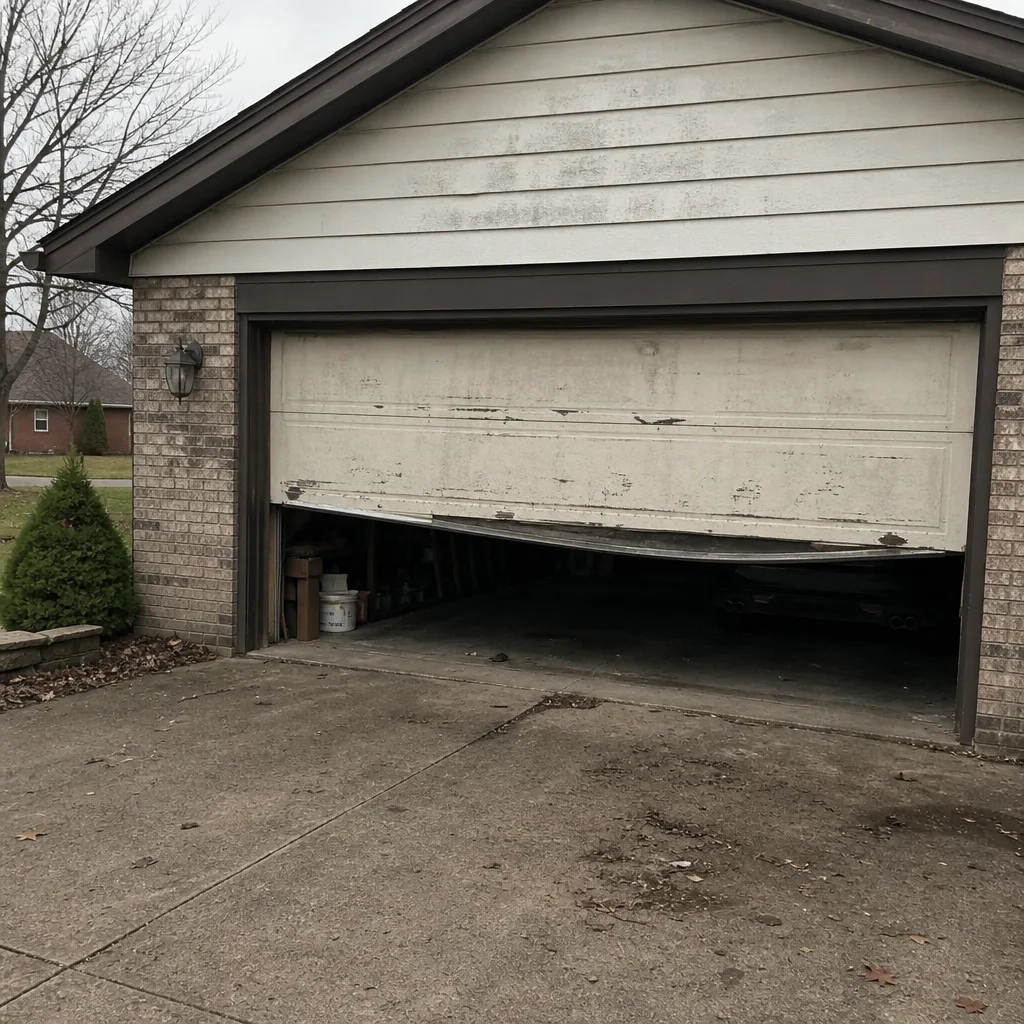 Before
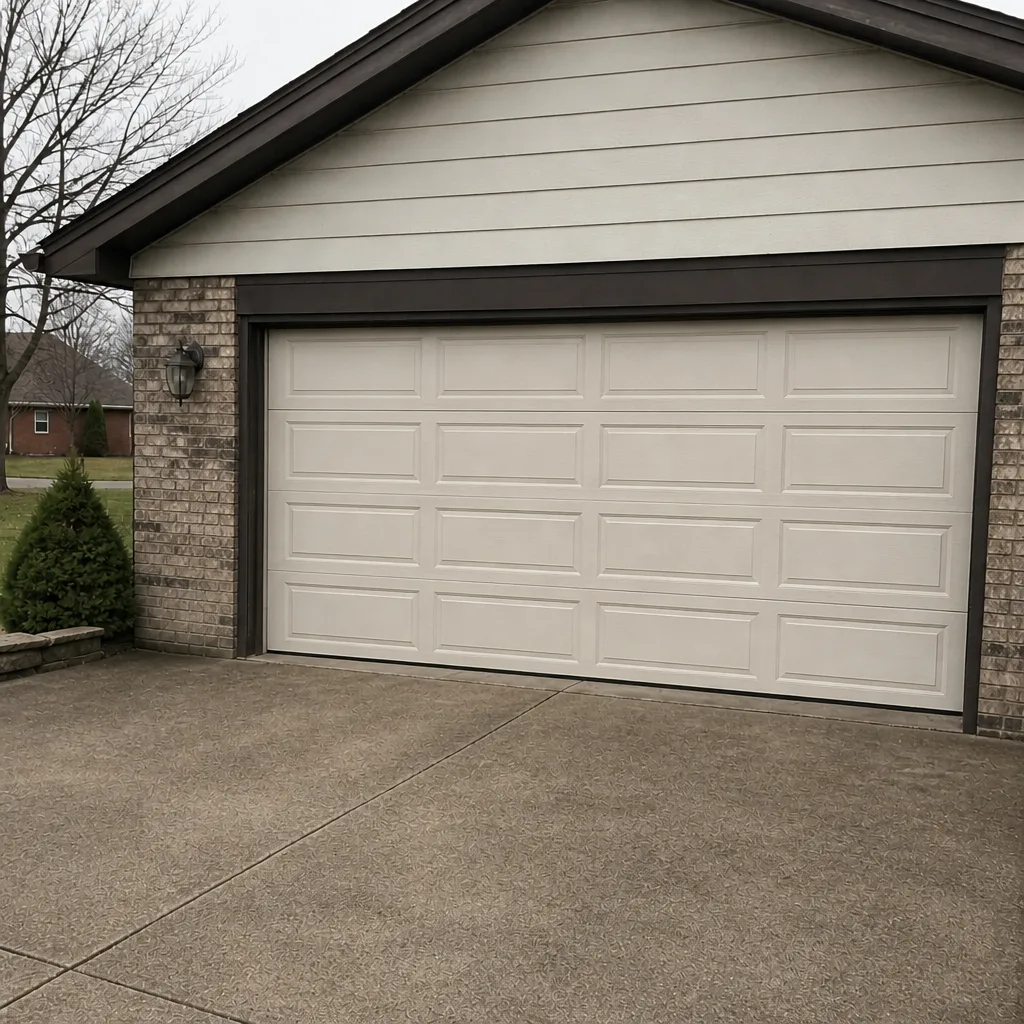 After
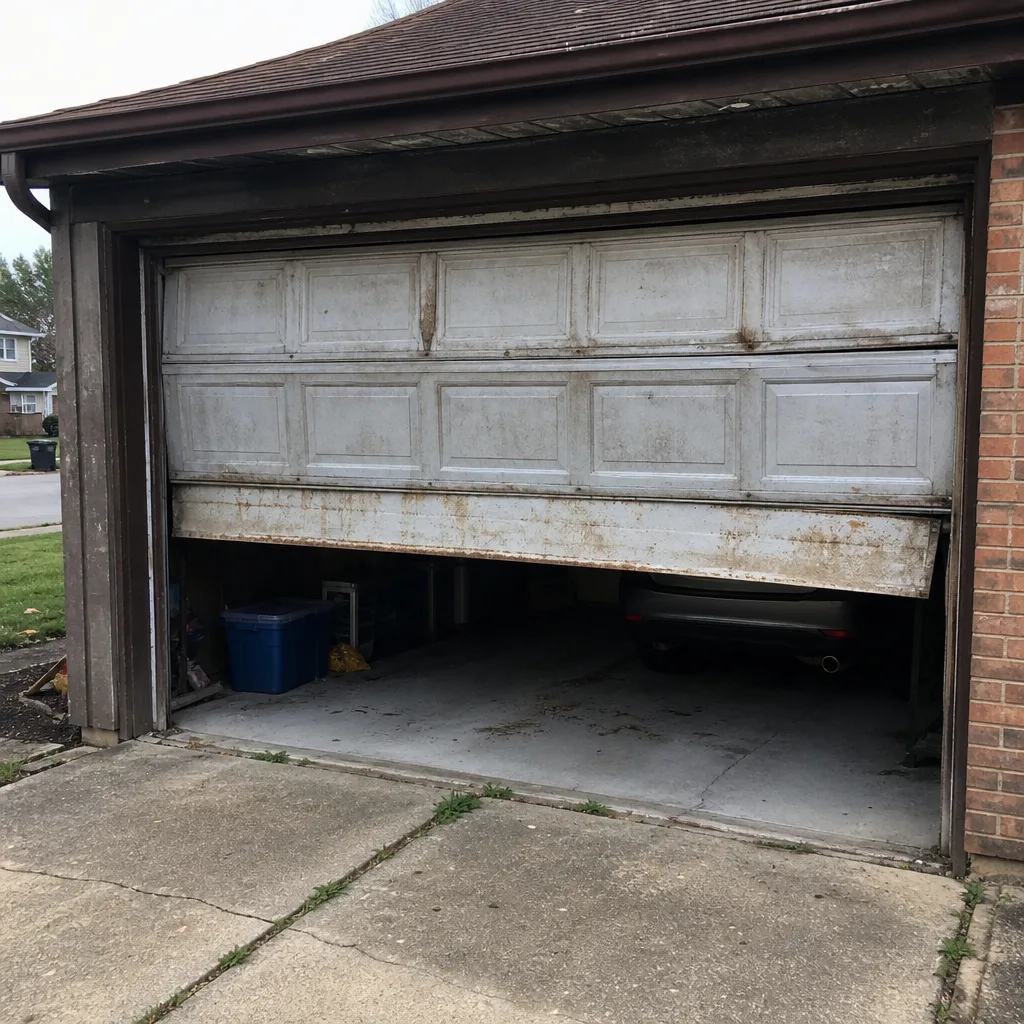 Before
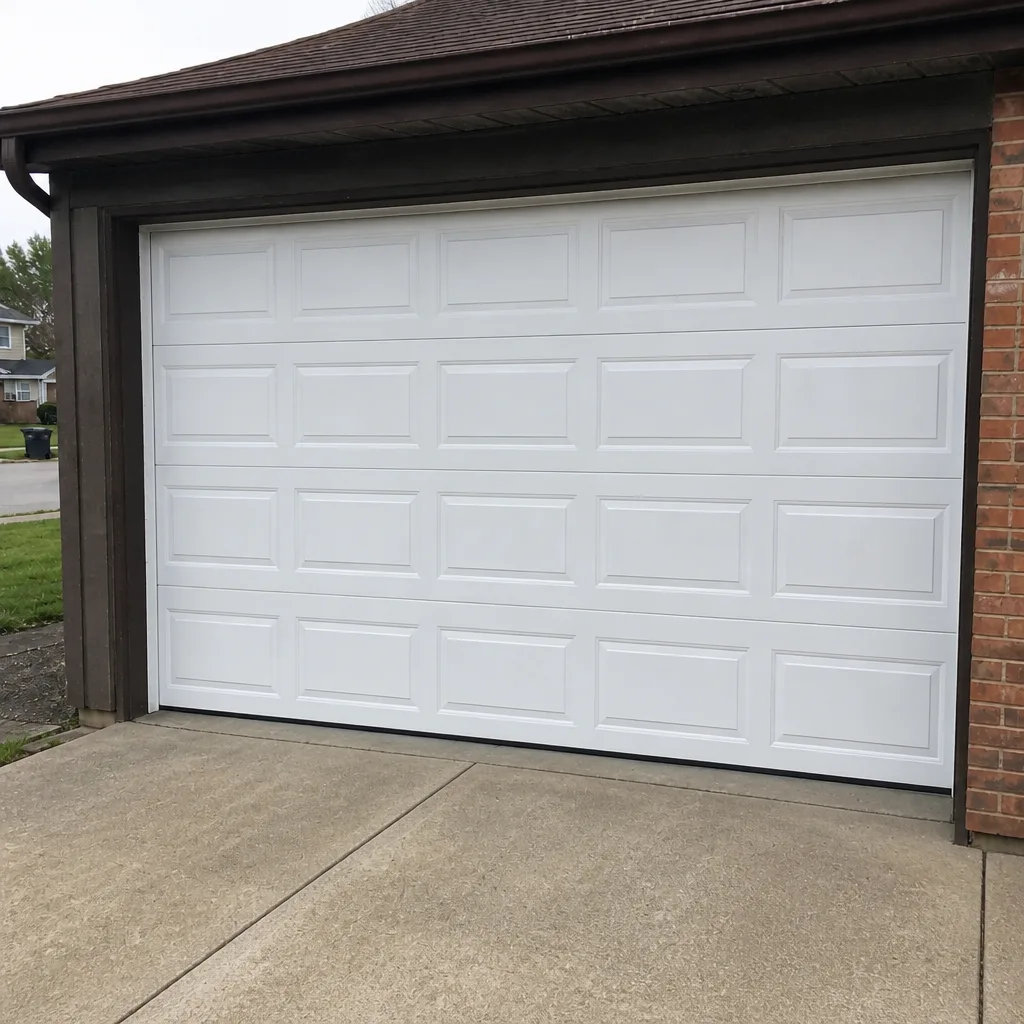 After
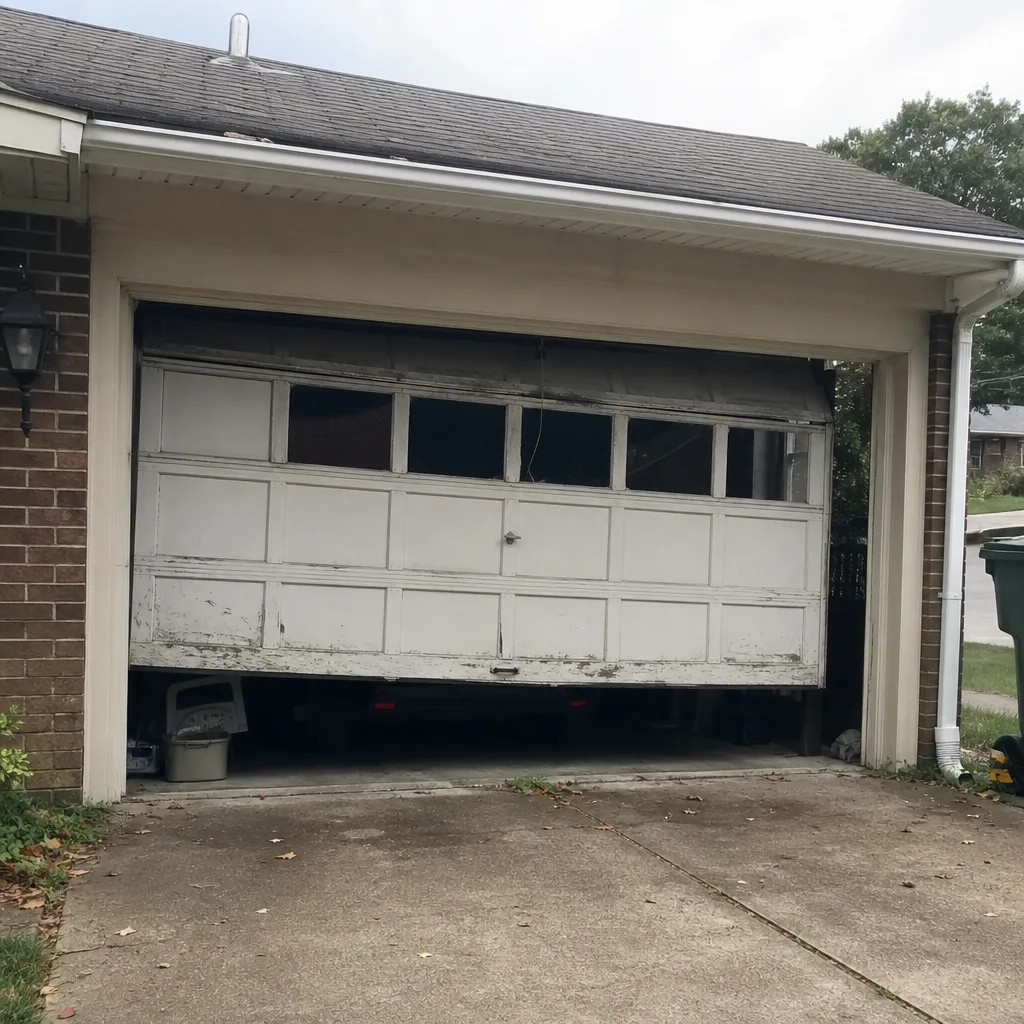 Before
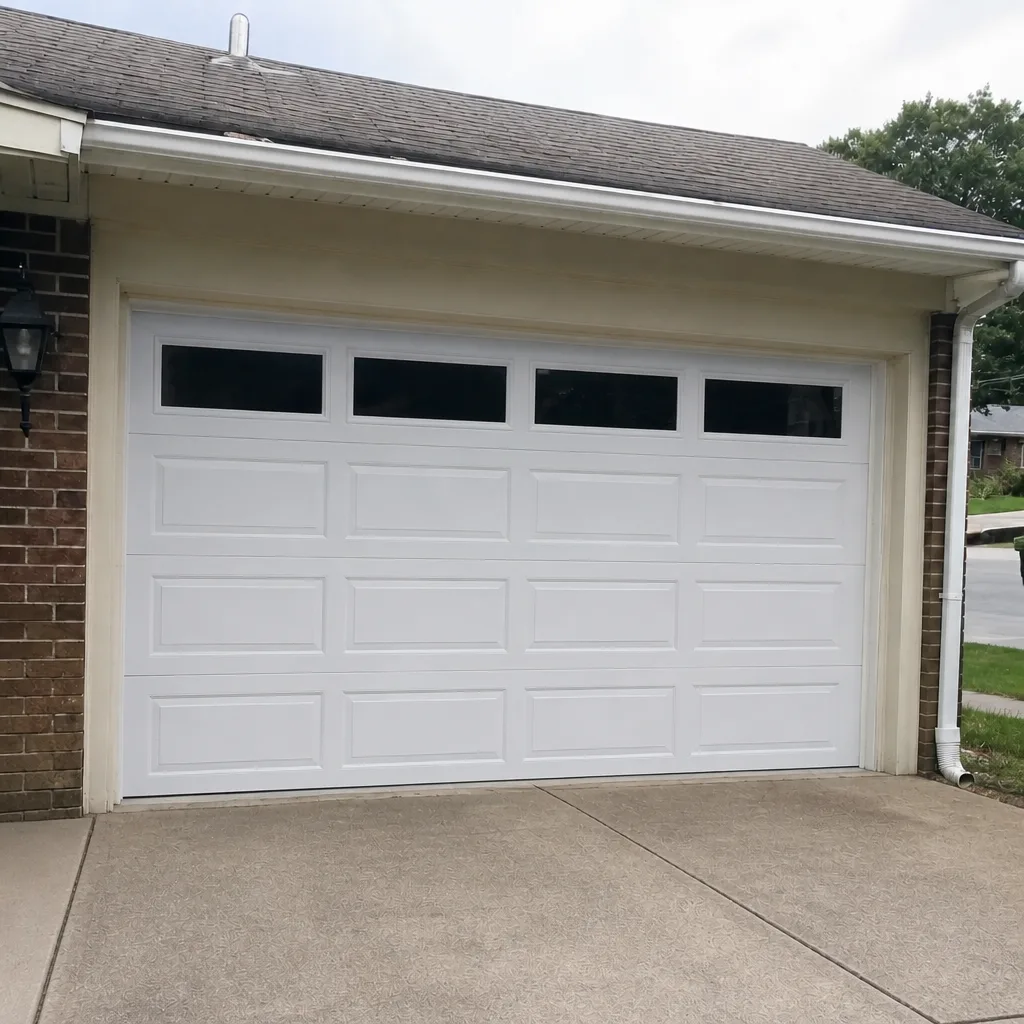 After
Frequently Asked Questions
No. Replacement of a torsion or extension spring is not a safe DIY project because the spring is under enough stored energy to cause severe injury if it slips during removal or installation. Call (877) 792-7284 for a professional estimate instead. Estimates are free.
Torsion spring replacement in Bethel Park typically runs $180-$340 per spring, and a matched pair is usually replaced together, so a pair costs roughly twice that. The written estimate you get before work begins is the final price. Call (877) 792-7284 for an exact estimate.
Often yes. Most manufacturers make the warranty conditional on professional installation, and a part failure traced to improper rail assembly, bracket placement, or force settings can be denied as an installation error. Call (877) 792-7284 to have the install done right.
Same-day and emergency garage door service is a core part of what we do, and fast dispatch runs from 7am to 7pm, so a door that fails during the day typically gets a technician out quickly. Call (877) 792-7284 and we’ll confirm the next available window.
The local pro who arrives at your door is state-licensed and insured as Pennsylvania requires. We connect you with that vetted local professional, and you’ll know who’s showing up before the work starts. Call (877) 792-7284 for details.
No. The estimate is agreed before any work starts, so the number you approve is the price you pay. If the diagnosis turns up something unexpected, we’ll explain it and get your sign-off before proceeding. Call (877) 792-7284 to schedule a free estimate.
Maintenance like lubrication, roller swaps, and seal replacement is fine in cold weather. Anything involving springs, cables, or track alignment should wait for a professional, especially when the door is already stressed by freeze-thaw cycles. Call (877) 792-7284 if you’re not sure which side of the line your task falls on.
The Bottom Line
The DIY versus professional question for garage doors comes down to one line: stored energy. Rollers, seals, lubrication, remote programming, and visual checks are safe, sensible homeowner tasks. Springs, cables, opener installs, track realignment after impact, and full replacements are professional work because the risk to your body and the risk to your warranty don’t go away with care or confidence. The cost math favors DIY only on the cheap maintenance parts. On anything with tension, the professional estimate is the cheaper number once you account for tools, redo risk, and warranty exposure. Bethel Park homes hold up best when the door gets routine maintenance and the dangerous jobs go to trained hands. Get your prep list ready and call (877) 792-7284 for a free estimate on anything past the safe DIY line.
Contact
If your garage door is broken, stuck, or making a noise you don’t trust, call Garage Door Repair Bethel Park at (877) 792-7284 for a free estimate. Same-day and emergency service, written pricing before the work starts, and technicians who work the brand already in your garage. One call covers springs, openers, panels, and full replacements. Call (877) 792-7284 today.
Written by the team at Garage Door Repair Bethel Park.