Last updated November 23, 2026
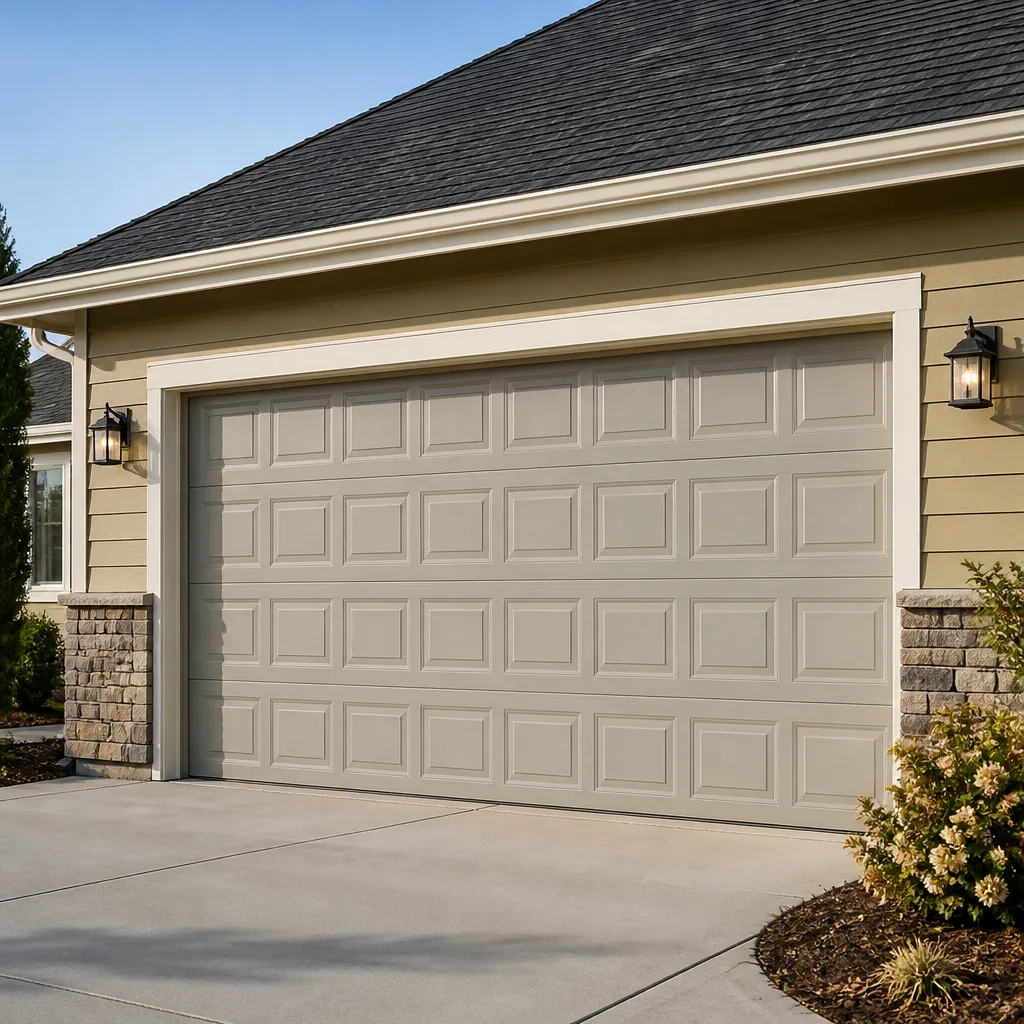 Raised-panel steel
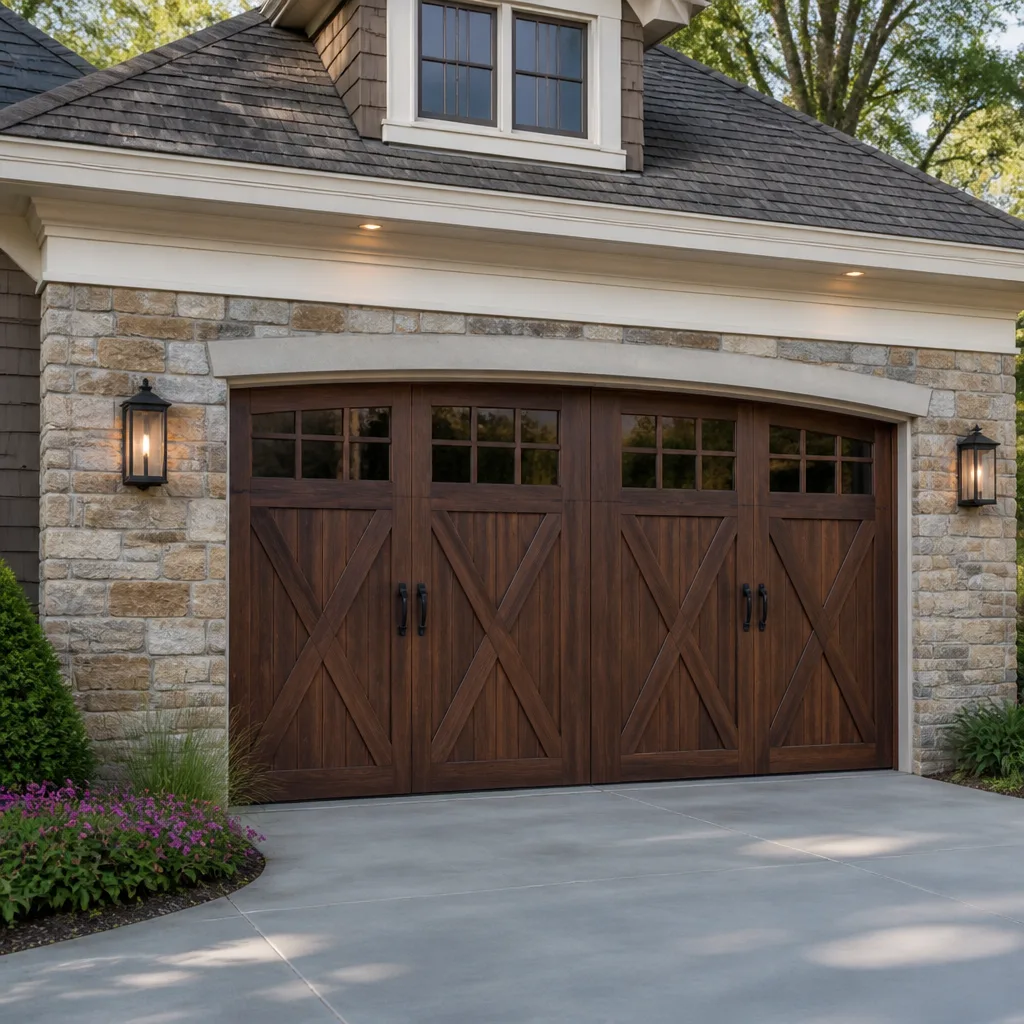 Carriage house
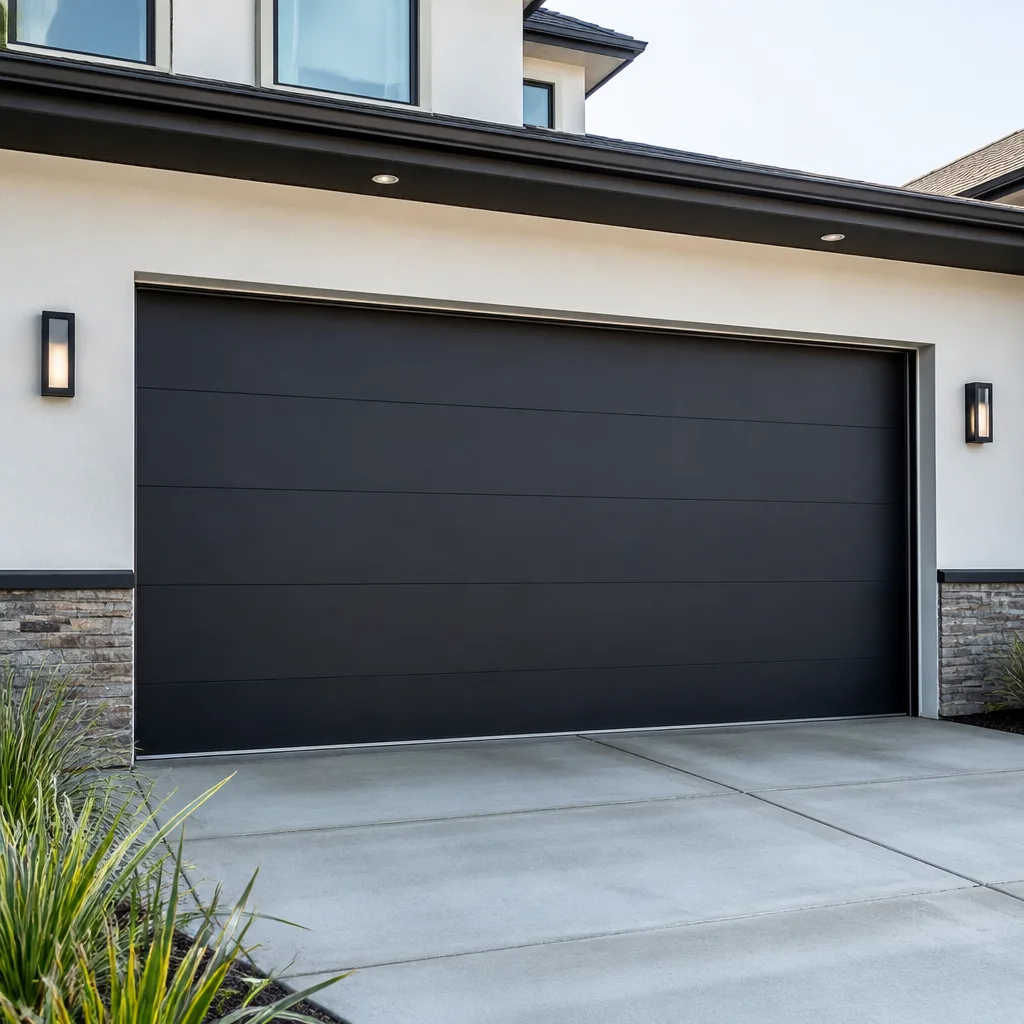 Modern flush
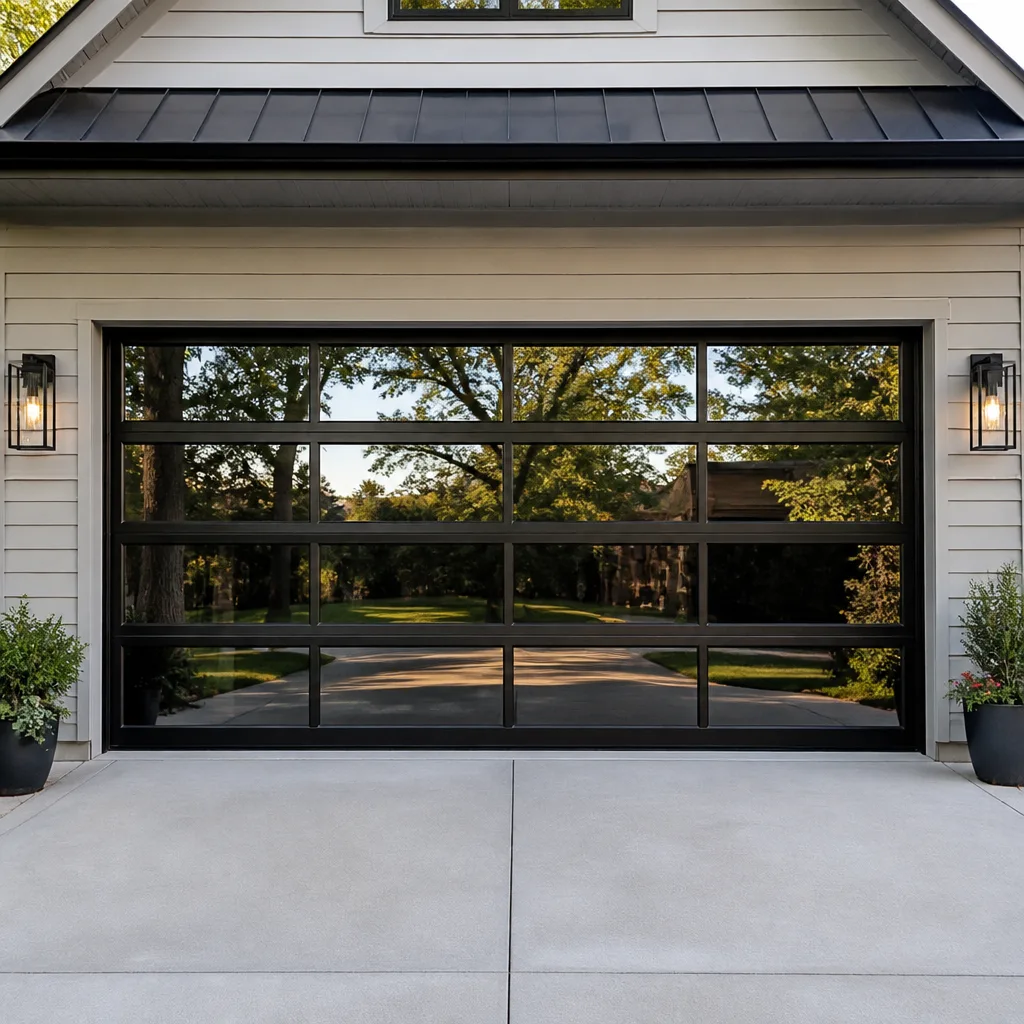 Full-view glass
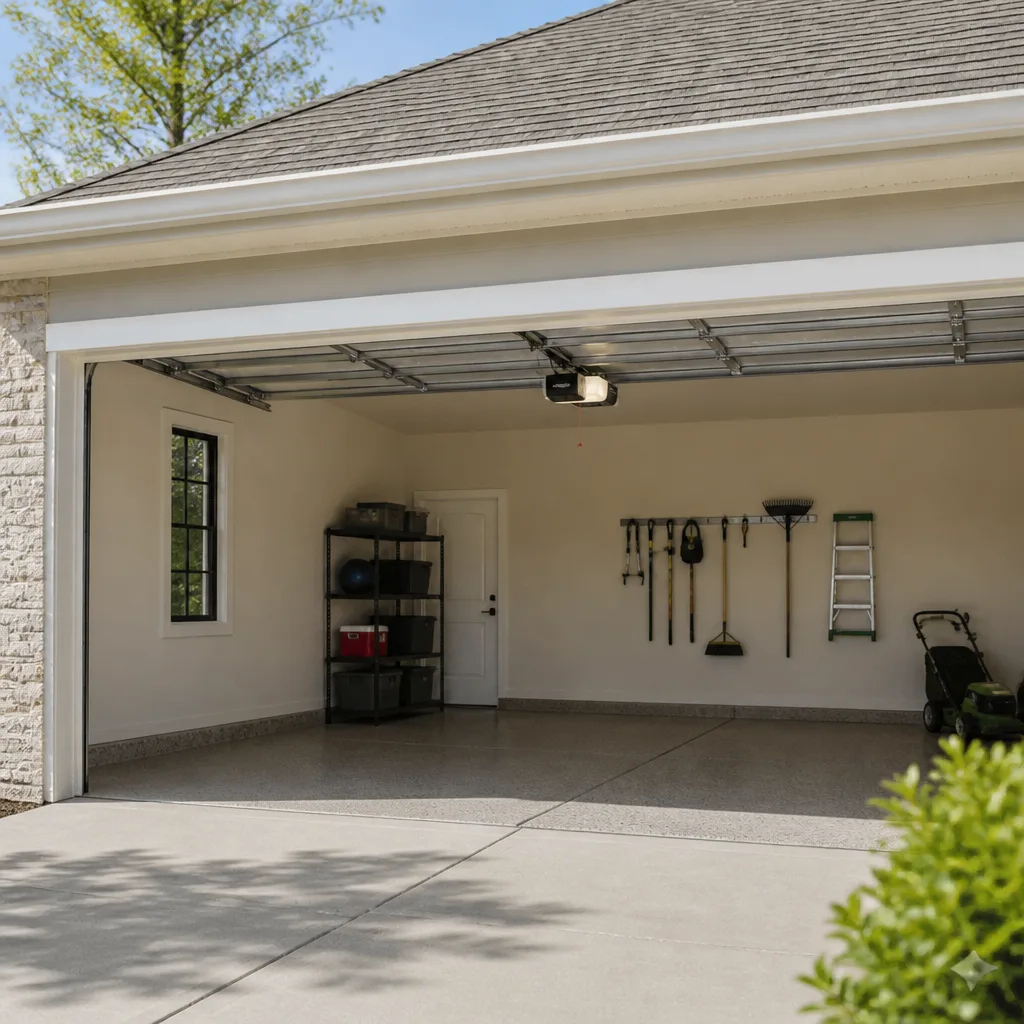 LiftMaster openers
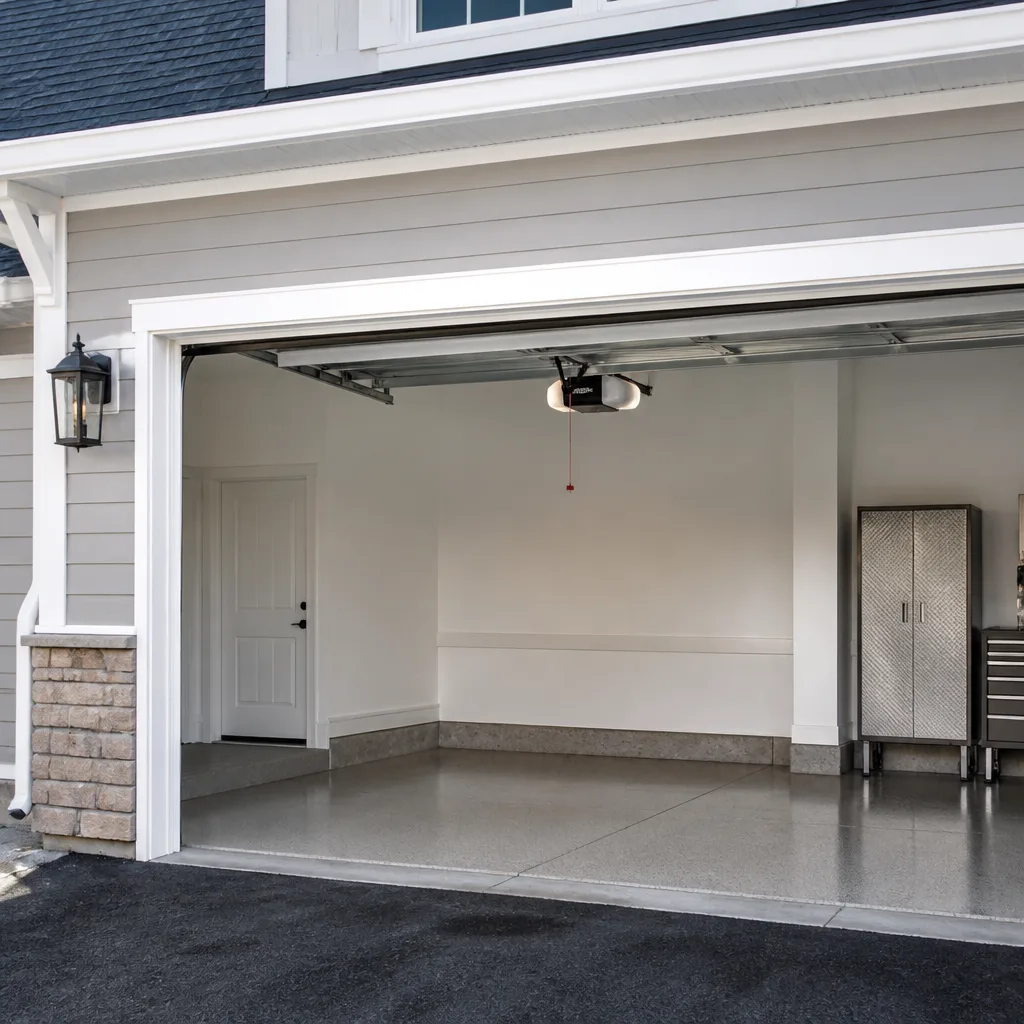 Chamberlain openers
Full 25-point door and opener safety check with every visit - springs, cables, rollers, tracks, and your LiftMaster or Chamberlain opener included
You get a price before we start. It does not change when the pro arrives.
Get your free estimateThe Complete Guide to Garage Doors in Bethel Park
Most garage door guides are written for a hypothetical homeowner in a hypothetical suburb, and half of what they say doesn’t survive contact with a real Bethel Park driveway. Bethel Park is a borough of split-levels and colonials built mostly between the 1950s and 1970s, with steep lots, angled approaches, and garages that were measured for a door that weighed less than the one you’d want to install today. Then Pittsburgh’s freeze-thaw cycle arrives every winter and reshapes the equation again. This guide maps the decisions Bethel Park homeowners actually face, from a first-time replacement to a mid-life spring failure, against the local realities that make generic advice go wrong.
Quick Answer
For most Bethel Park homeowners, the right approach depends less on the door itself and more on the structure around it: older housing stock often limits header clearance and track fit, steep driveways change opener and spring sizing, and the freeze-thaw cycle wears components faster than national averages suggest. Repair is usually worth it when the door is under about 15 years old and the job is springs, cables, rollers, or an opener; replace when the panels are failing, the door is over 20 years old, or a single repair costs more than half a new door. A garage door specialist should make the call, not a general handyman, because of both safety and PA law. Call (877) 792-7284 for a free estimate in Bethel Park.
Styles & brands we work with
- Raised-panel steel
- Carriage house
- Modern flush
- Full-view glass
- LiftMaster openers
- Chamberlain openers
Table of Contents
- How Bethel Park’s Housing Stock Affects Your Door
- Why Steep Driveways Change the Sizing Math
- Component Lifespan Under Pittsburgh’s Freeze-Thaw Cycle
- Specialist vs. General Handyman in Pennsylvania
- Repair vs. Replace: A Decision Tree
- Brands, Openers, and What’s Already in Your Garage
- What Changes by Neighborhood in Bethel Park
- Garage Door Safety: What You Should Never Do Yourself
How Bethel Park’s Housing Stock Affects Your Door
The single biggest thing a generic guide gets wrong is assuming your garage opening is standard. In Bethel Park, it often isn’t. The borough’s split-levels and colonials were framed for wood doors in the 8-foot-wide range, with header beams sized to the load of that original door plus the wind and snow of the era. When homeowners go shopping for a modern insulated steel door, they run into three specific problems:
- Header clearance. A modern torsion-spring door needs roughly 12 inches of headroom above the opening. Many older Bethel Park garages have 8 to 10. That doesn’t kill the project; it means you need a low-headroom conversion or a different track configuration, and a technician who’s seen it before.
- Jamb depth. Older openings are shallower than current standard, so a stock door’s tracks can sit proud of the wall, interfere with the interior vehicle door, or scrape the trim. Track has to be fit to the actual opening, not to a catalog spec.
- Structural settling. Plenty of Bethel Park homes have moved an inch or two over 50-plus years, and the opening is no longer perfectly square. A replacement door that’s manufactured to nominal dimensions can bind on one side.
None of this is a reason to panic. It is a reason to have the opening measured by someone who does this for a living rather than ordering a stock size online and hoping. We work on the brands already in Bethel Park garages, including Clopay and Amarr, and we measure the opening first. Free estimates include that measurement, because a door that doesn’t fit is not a door.
The good news is that a properly fitted modern door is a substantial upgrade over what most Bethel Park homes were built with: better insulation, quieter operation, and a safety reverse system that meets current requirements. The trick is getting the fit right so the upgrade actually delivers.
Why Steep Driveways Change the Sizing Math
South Hills neighborhoods are built on slopes, and Bethel Park is no exception. Many driveways climb steeply from the street, curve in front of the garage, or approach the door at an angle. Every one of those conditions changes how the door and opener have to be set up.
Here’s the mechanism. A garage door opener’s job is to move a door’s weight through whatever track geometry you give it, and the door’s weight is supported by either a torsion spring on a shaft above the door or extension springs along the horizontal track. On an angled or off-level approach, the door doesn’t travel straight up and down the tracks; it can pull slightly to one side. That lateral load has to be absorbed by the hardware. Get the spring sizing wrong on a door that’s fighting a slope, and you’ll be replacing springs more often than your neighbor across the flat street.
What that means practically:
- Spring sizing is a calculation, not a lookup. Torsion springs are sized to the door’s weight, its height, and the lift type. On a sloped installation, those inputs shift, and a tech who just matches the color code on the old spring can undersize or oversize it.
- Opener capacity has to match the door’s effective weight. A 1/2-horsepower opener on a light door is fine on a level driveway. On a heavier, slightly misaligned door on a slope, it’s a short-lived motor.
- Track has to be shimmed to level. If the horizontal track isn’t plumb and level, the door drags, the rollers wear fast, and the opener learns to work harder every month.
If your door sounds like it’s straining, or the opener cycles and then reverses on its own, the driveway slope is a likely culprit. A proper garage door repair visit starts with checking the tracks and spring balance, not swapping the opener.
Component Lifespan Under Pittsburgh’s Freeze-Thaw Cycle
National averages put torsion spring life at roughly 7 to 9 years and opener life at 10 to 15 years. In Bethel Park, expect to be at the earlier end of both. The reason is the freeze-thaw cycle: every winter, the metal and lubricant in your garage door’s moving parts cycles through expansion and contraction dozens of times, and the byproduct is metal fatigue and dried-out lubricant.
What actually fails first in this climate:
- Torsion springs. They carry the full weight of the door in a coiled, pre-tensioned state. Cold makes the steel more brittle and the cycle count climbs faster in a harsh winter, so a spring that might last 9 years in a milder climate can fatigue noticeably sooner here. When one spring of a matched pair breaks, replace the pair: the surviving spring has taken the same wear and will follow soon.
- Cables and drums. Freeze-thaw movement at the drum creates small abrasion points, and cables can fray invisibly. A snapped cable is the most common cause of a door that drops on one side.
- Rollers. Nylon rollers crack in cold; steel rollers rust at the bearing. Either way, a rough-sounding door is usually talking about rollers.
- Weather seal and bottom rubber. This is the piece in direct contact with the concrete. It shrinks in cold snaps and pulls away from the threshold, which is where the drafts and the field mice get in.
- Opener logic board and gears. The plastic drive gears in older chain-drive openers crack, and the logic board is sensitive to moisture and to voltage drops from a cold weather motor start.
The practical takeaway is that in Bethel Park, a door that’s showing any roughness, squealing, or inconsistent travel in late autumn should be looked at before the first deep freeze, not after it. Cold makes a marginal component fail.
Specialist vs. General Handyman in Pennsylvania
Pennsylvania homeowners frequently ask whether a handyman can handle a garage door job. The honest answer is: sometimes legally, often not safely, and it depends on the scope. A handyman can lubricate hinges, tighten loose bolts, replace a bottom seal, or install a battery in a remote. That’s the ceiling of what a generalist should attempt.
What a handyman generally shouldn’t do, and may not be permitted to do depending on licensing and the specific trade rules that apply in PA:
- Replace torsion springs. This is the single most dangerous job in the trade: a wound torsion spring stores enough energy to break bones or worse if you’re in the wrong position when it releases.
- Replace cables. A backed-off torsion spring can let the door drop without warning.
- Install a new opener on an existing door without balancing the door first. An opener sized to an unbalanced door will fail early and can mask a dangerous imbalance.
- Install a new door. This involves structural evaluation (see the housing-stock section) and adjustments that affect the safety reverse system.
The distinction isn’t about a badge; it’s about what’s actually on the line. Every job this company’s technicians take on is a garage door job, not a sideline between plumbing calls. Our technicians have up to 9 years of experience with spring, opener, and installation work, and that depth matters most on the dangerous jobs. If you have a spring or cable problem, that’s a call to a specialist, full stop.
Repair vs. Replace: A Decision Tree
This is the question Bethel Park homeowners actually agonize over. The answer is simpler than most guides make it. Work through these questions in order:
- Is the door over 20 years old? If yes, replacement is worth pricing even if the current problem is a single component. Wear is cumulative; fixing one thing usually reveals the next.
- Is the door under 15 years old and the problem a spring, cable, roller, or opener? Repair. A door at this age with one serviceable failure is a good candidate for a full life.
- Are the panels dented, rusted through, or delaminated? If two or more panels are damaged, replacement is usually cheaper than panel repair plus refinishing.
- Is the repair cost more than about half of a new door of the same grade? Replacement wins.
- Does the door still hold weight on a manual lift test, and does the opener reverse on a test object? If yes to both, the door is worth keeping. If either fails, a full safety evaluation is essential before any other decision.
- Is the frame, jamb, or header rotted or out of square? If yes, plan for a re-fit alongside any replacement, and price that in from the start.
For a lot of Bethel Park homes, the honest answer falls into the middle: repair now, plan replacement inside three to five years as part of a larger exterior upgrade. When you’re ready to talk numbers, the pricing on a garage door spring repair and the pricing on a full replacement are the two you want side by side before you decide, and we’re happy to give you both in writing.
What a Typical Bethel Park Spring Repair Costs
Spring repair in Bethel Park typically runs $180 to $340 for a single torsion spring, with the exact figure depending on spring size and door weight. A matched pair of springs, which is what you should replace together, costs roughly twice that. The written estimate sets the final price, and the price you’re quoted is the one you pay before any work starts. Opener repair is usually in a similar range. When the numbers are close, a good technician will tell you so.
Brands, Openers, and What’s Already in Your Garage
A huge share of the anxiety in garage door repair comes from not knowing what’s already installed. Homeowners say “I don’t know the brand” or “the opener is a black thing with a belt.” That’s fine. Diagnosis starts with what’s there, not with a brand name.
We work on the brands you’re most likely to find in Bethel Park garages. On the door side, Clopay and Amarr are common in residential installations here, and Wayne Dalton shows up on plenty of steel and composite doors. On the opener side, Craftsman units are typical in older homes, and chain and belt drives from other major residential brands are everywhere. We work on these and can source parts for the specific models in your garage rather than suggesting a new opener as a first step.
How to figure out what you have without a lot of drama:
- Open the door part-way and look at the head-unit. The opener’s brand and model are usually on a sticker on the housing. Snap a photo before you call so we can note it.
- Look at the spring. A torsion spring runs on a horizontal shaft above the door; extension springs run alongside the tracks. Color-coded ends on the springs tell a technician what they were originally sized for (and yes, only a technician should interpret that).
- Check the wall-mounted remote or keypad. Older Craftsman and Wayne Dalton systems sometimes pair only with matching-era accessories, so replacing a dead keypad is easier if you have the model number from the opener itself.
If your opener is failing, a straight garage door opener repair visit is a better first move than replacing the opener outright. Gears, capacitors, and travel-limit switches are often replaceable for far less than a new unit, and staying with a brand we know is a lot easier than chasing parts for a discontinued model.
What Changes by Neighborhood in Bethel Park
Bethel Park isn’t one kind of housing. The borough’s neighborhoods have distinctly different garage configurations, and what works in one doesn’t necessarily work in another.
- Near the South Hills Village area: a mix of newer construction and renovated mid-century homes, typically with standard-height ceilings and level or gently sloped driveways. Installation tends to be straightforward; the work is more often about matching the door to the architecture than solving a structural issue.
- Older sections closer to the center of the borough: the split-levels and brick colonials that most commonly need header-clearance adjustments and low-headroom conversions. Tracks often sit close to the jamb, which rules out some stock doors.
- Hilly residential streets off the main corridors: the steepest driveways, where opener and spring sizing is genuinely individual to the house. Doors that travel fine here are often heavier than they look.
- Smaller ranch-style subdivisions: typically single-bay garages with attached carports or full garage enclosures, and doors that are narrower than the two-car standard. Sizing is simpler but the doorway is tighter to maneuver.
What this means for you: if a quote on a replacement door seems surprisingly low, ask whether it accounted for your actual driveway slope and header clearance. It’s easy to quote a stock size over the phone; it’s harder to fit one into a Bethel Park garage that was built for a different era.
Garage Door Safety: What You Should Never Do Yourself
Garage doors are one of the most dangerous systems in a home because the springs and cables are under constant, stored tension. If you ever find yourself holding a wrench near a wound torsion spring, you’re in the wrong job. Put it down and call a technician.
What’s actually dangerous and why:
- Wound torsion springs. They hold hundreds of pounds of lift force in a coil no larger than a rolled magazine. Releasing that energy is instant, and there’s no safe recovery if your hand is in the path.
- Cables under tension. They don’t give a warning. A snapped cable can whip, and the door drops.
- An unbalanced door under a running opener. The opener isn’t designed to hold weight; the springs are. Running an unbalanced door through an opener can drop the door under load.
- Door under a partially open position with no safety reverse. Any testing of limit switches on a live door should be done with an adult clear of the path, and if the reverse test fails, stop using the door.
What a homeowner should feel comfortable doing: lubricating hinges, rollers, and tracks with a garage-door lubricant, tightening a loose bolt with light pressure, replacing a battery, and cleaning the photo-eye lens. Anything involving springs, cables, drums, or opener installation is a trained professional’s job. This is one of the areas where we’d rather you call us and have the job done safely than attempt it and wind up hurt. A failed spring or an unbalanced door is also a security problem, not just an inconvenience, so don’t wait for a convenient time to deal with it.
Common Mistakes to Avoid
- Ordering a stock-size door online before measuring the opening. Bethel Park’s older garages rarely match the dimensions a stock listing assumes, and a door that won’t fit is a door that has to be returned or force-fitted. Measure first, then order.
- Replacing one spring of a matched pair. The surviving spring has absorbed the same wear cycles, and it will usually fail within a season. Budget for both from the start.
- Blaming the opener for a door that’s sticking. An opener that struggles is often doing its job against a door that’s out of balance or dragging. Fix the door first, then decide if the opener needs replacing.
- Skipping the pre-winter check. In Bethel Park, the first deep freeze is usually when marginal springs and cables give out. A quick late-autumn lubricate and inspection saves more than it costs.
- Hiring a generalist for a spring or opener install. Spring work has serious injury risk, and installing an opener on an unbalanced door can void the opener’s rated life. A garage door specialist should do this.
- Igno schedding the safety reverse test. Test the door’s reversal on a small object (a block of wood) at least once a season. If it doesn’t reverse, stop using the door until a technician looks at it.
- Letting driveway slope go unmentioned in a quote. Sloped approaches change spring sizing and opener capacity. Tell whoever quotes you about the grade before they show up.
See the difference
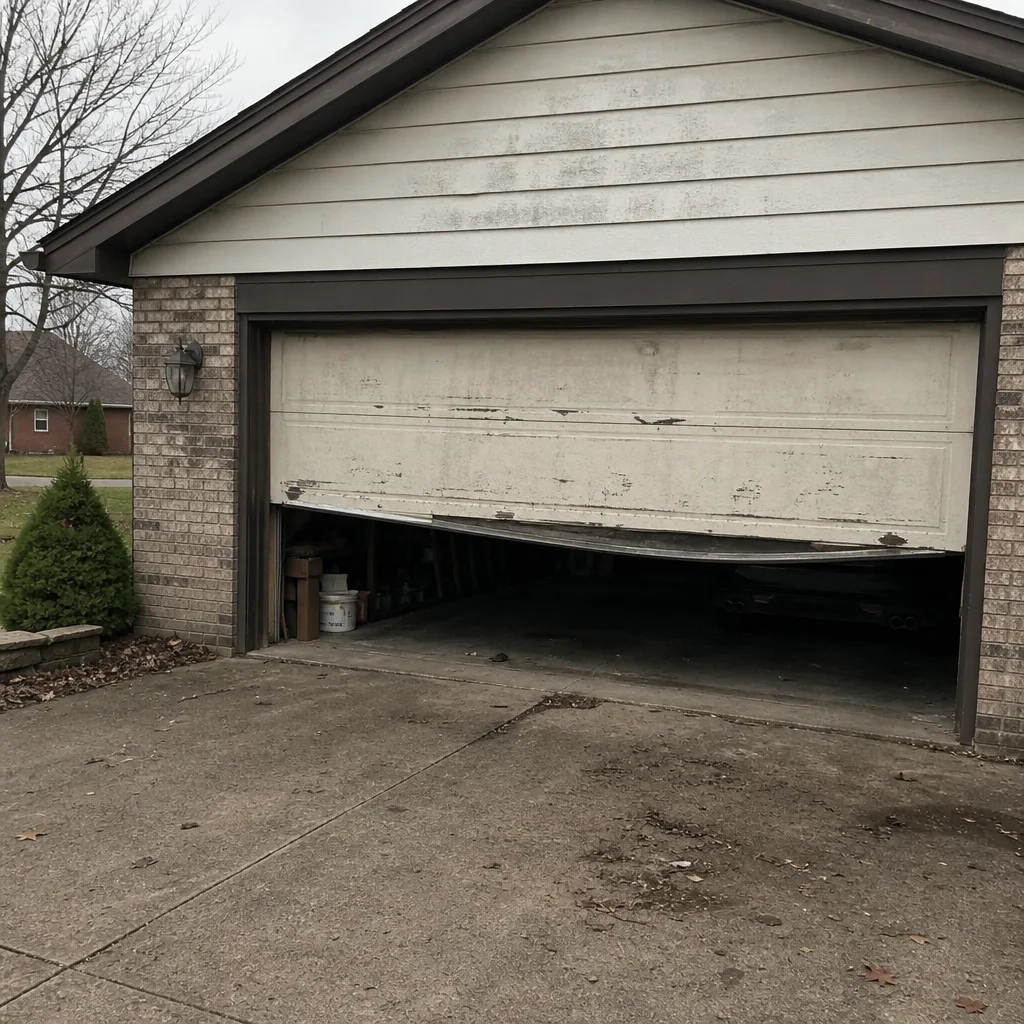 Before
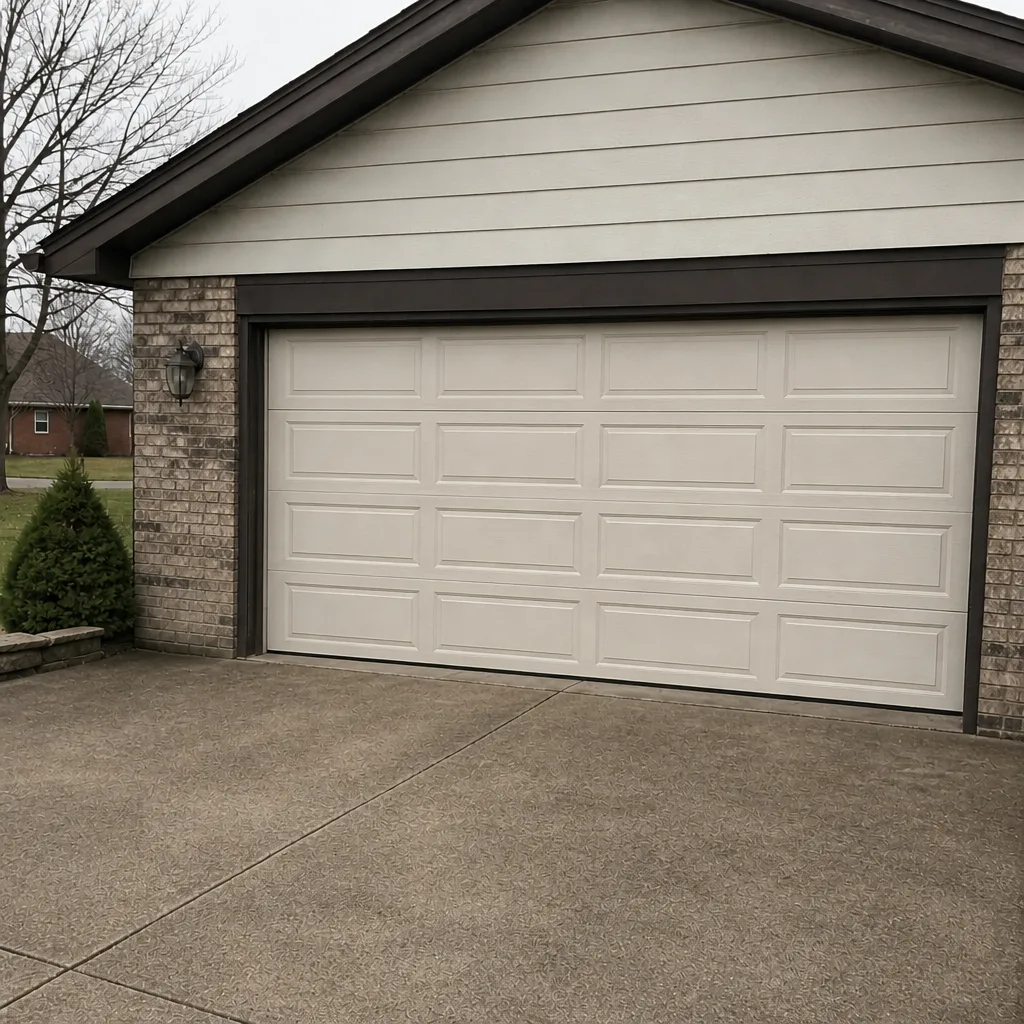 After
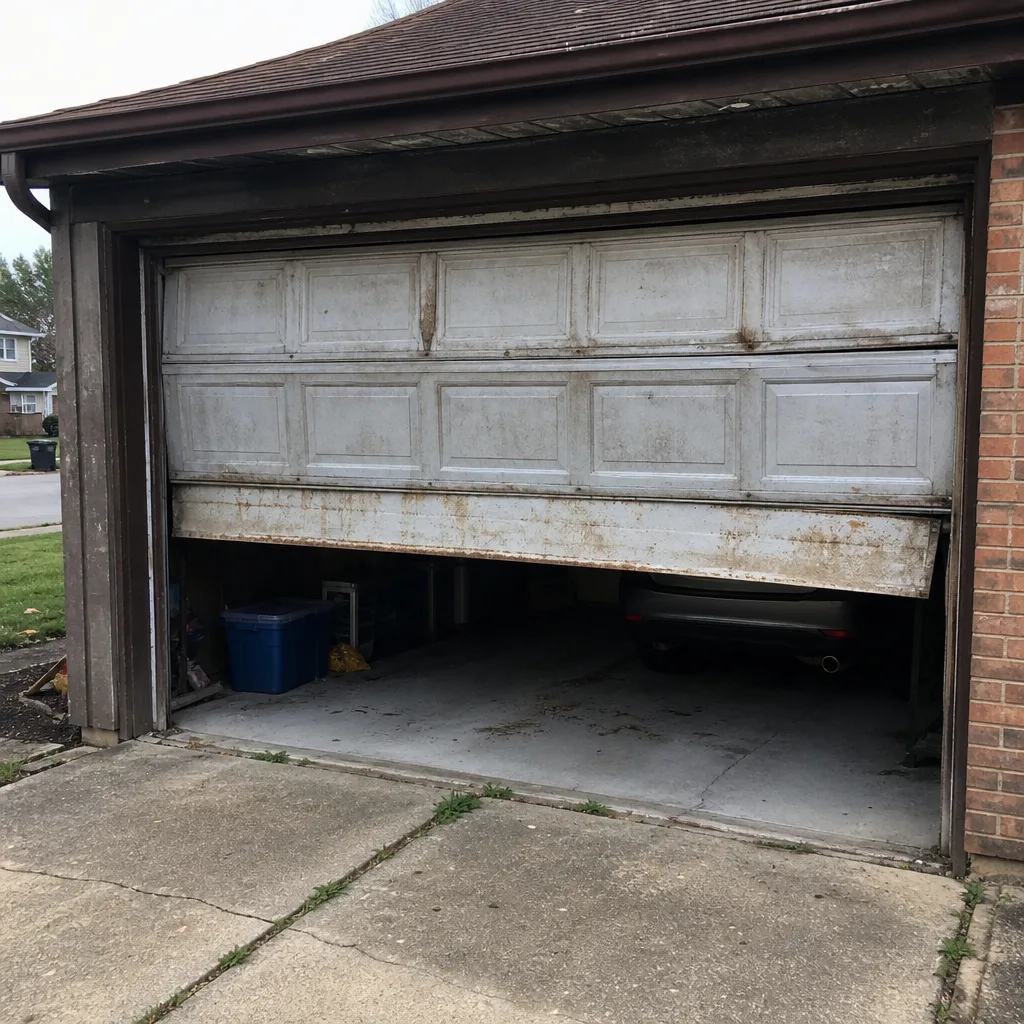 Before
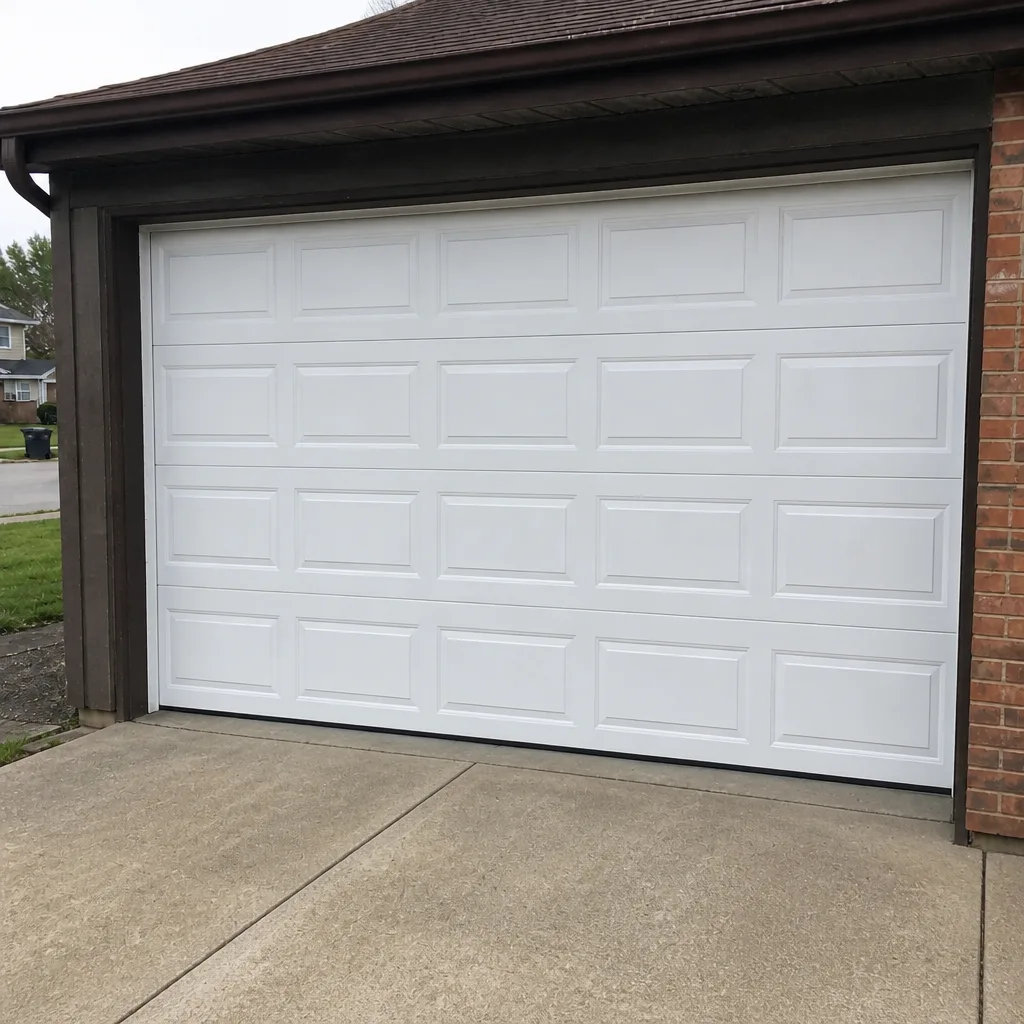 After
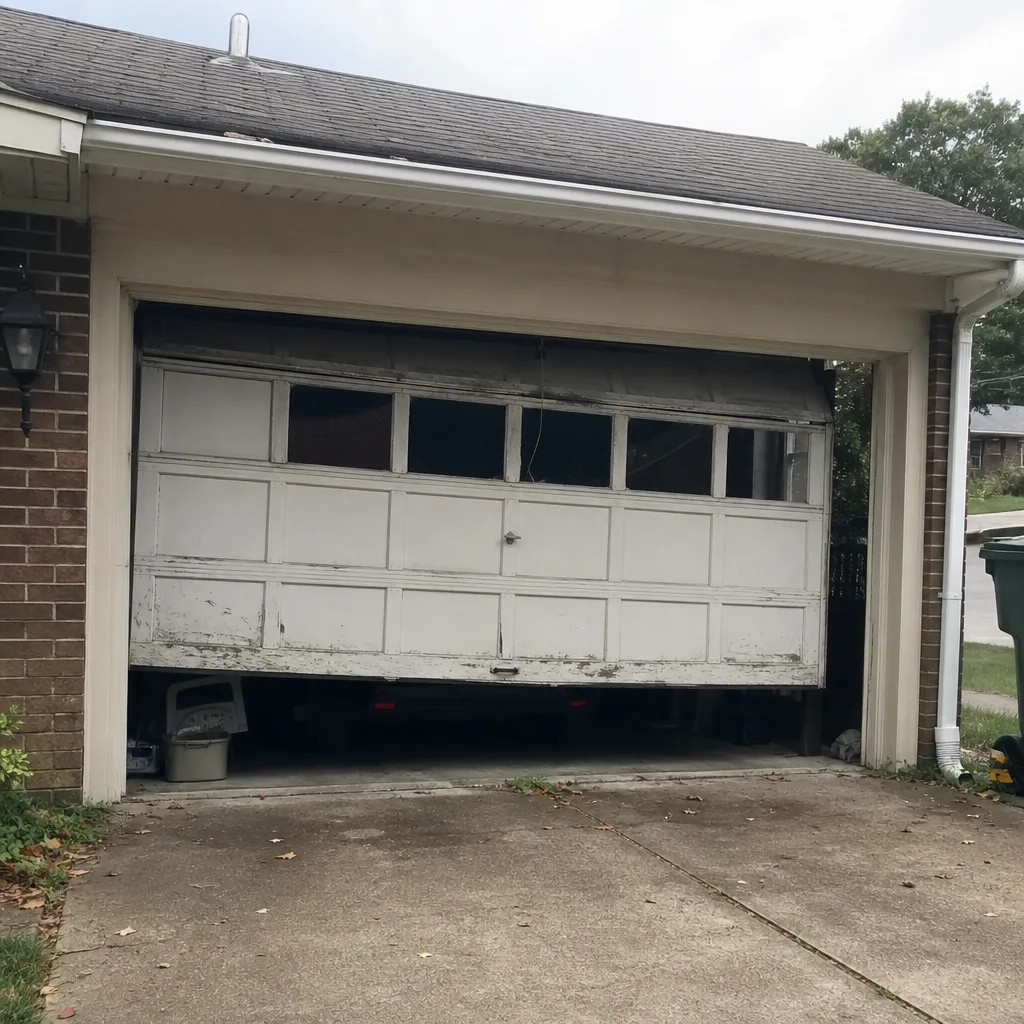 Before
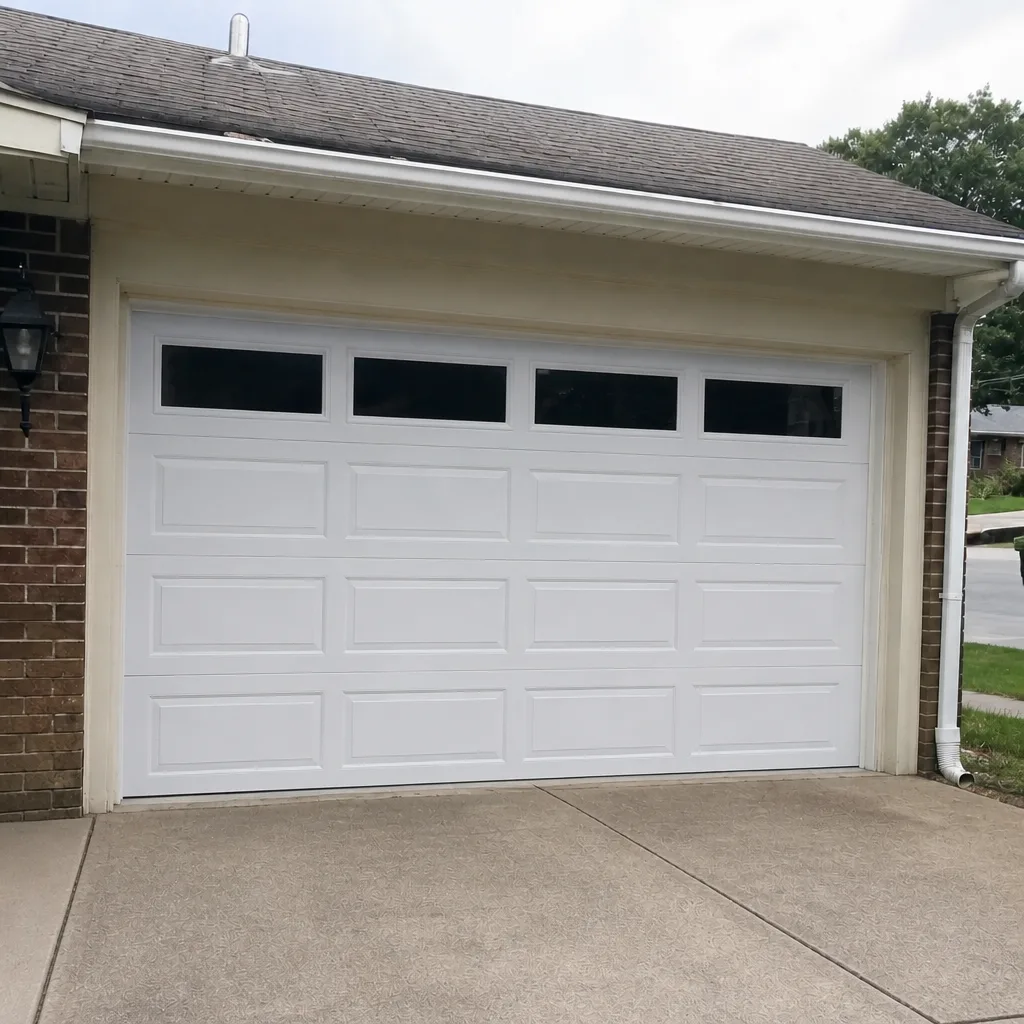 After
When to Call a Professional
You should call a garage door specialist when the door won’t close fully or drops unevenly, when you hear a loud snap from the spring area, when the opener runs but the door doesn’t move, when the door reverses on its own or stays open, when panels are dented or the seal is torn, and whenever you’re considering replacing the door or the opener. These are all jobs where a wrong fix can make problems worse or create a safety hazard. In Bethel Park, call Garage Door Repair Bethel Park at (877) 792-7284 for a free estimate. Same-day and emergency service are available when a door fails at the worst time, and the price is quoted and agreed before any work starts. If you’re not sure whether you need a repair or a replacement, don’t guess: get someone out to look at the opening and the door mechanism together.
Frequently Asked Questions
Spring repair in Bethel Park typically costs $180 to $340 for a single torsion spring, with the exact figure depending on the spring size and door weight. A matched pair runs roughly twice that, and the written estimate you’re given before work starts is the price you pay. Call (877) 792-7284 for an exact quote; estimates are free.
Whether a handyman may legally take on spring work depends on the licensing and trade rules that apply in PA, but the practical answer is that spring replacement shouldn’t be handled by a generalist regardless of licensing. A wound torsion spring stores enough energy to cause serious injury if it releases. Call a dedicated garage door specialist for anything involving springs or cables.
No. The estimate is written and agreed before any work starts, and the written estimate sets the final price. If a technician discovers something that changes the scope, you’ll be told before any additional work begins. Call (877) 792-7284 to schedule a free estimate in Bethel Park.
Same-day and emergency service are available for time-sensitive failures, and we’ll tell you honestly what’s possible when you call. A stuck or broken door isn’t just inconvenient; it leaves your garage open and your tools, car, or household gear exposed. Call (877) 792-7284 and describe what’s happening with the door.
Yes, and this is one of the most common situations in Bethel Park. Older openings can usually be fitted with a modern door using a low-headroom conversion, custom track sizing, or a different spring setup, depending on your header clearance and jamb depth. A professional measurement is the starting point, not a stock listing.
The local professionals we connect you with are licensed and insured as required by their state, and our technicians have up to 9 years of experience with the work. We handle spring, opener, and installation jobs, and we work on the brand already in your garage. Call (877) 792-7284 for a free estimate.
The Bottom Line
Garage doors in Bethel Park have to be measured against the house, the driveway, and the weather, not against a national average. Older openings need a careful fit, steep driveways change the spring and opener math, and Pittsburgh’s freeze-thaw cycle shortens component life. Repair if the door is under about 15 years old and the problem is serviceable; replace when the door is over 20, the panels are failing, or a single repair costs more than half a new door. When springs or cables are involved, call a specialist. Call Garage Door Repair Bethel Park at (877) 792-7284 for a free estimate and upfront pricing before any work starts.
Written by the team at Garage Door Repair Bethel Park.