Last updated November 23, 2026
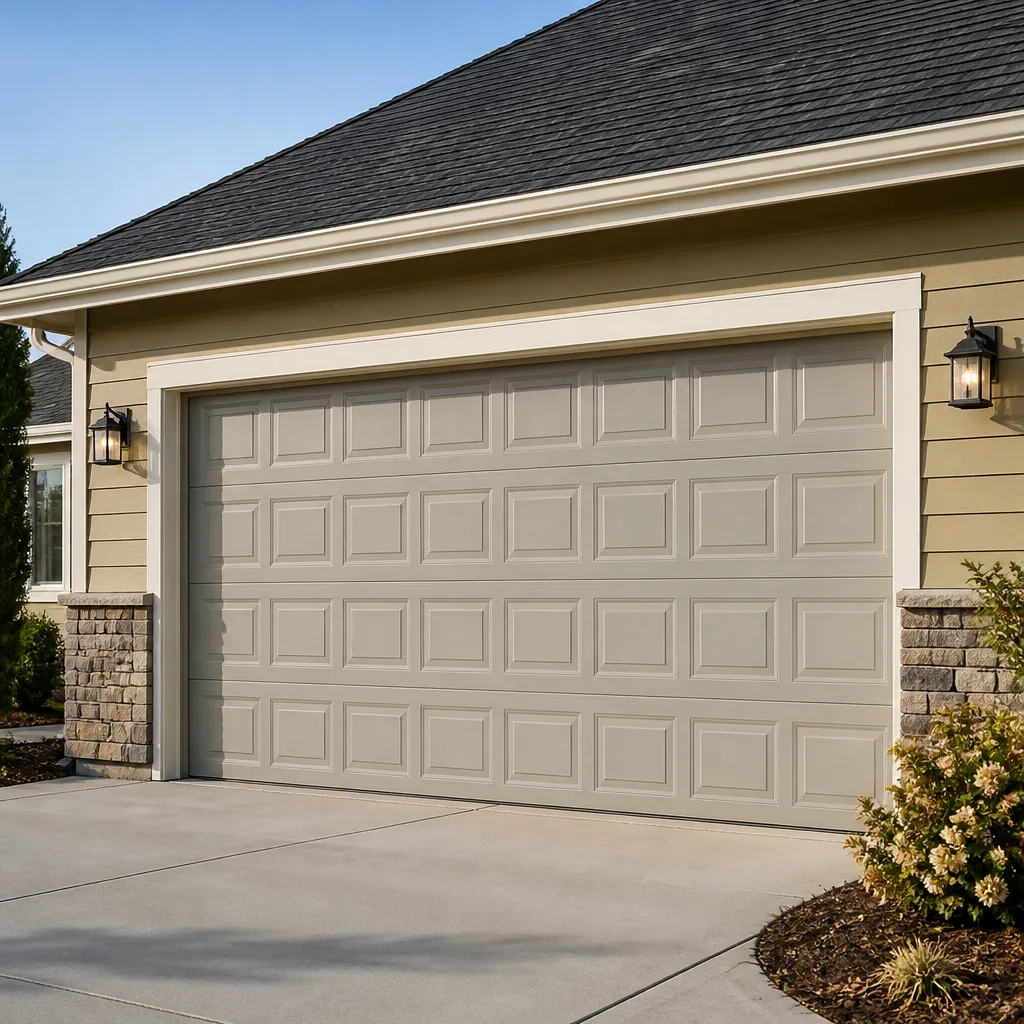 Raised-panel steel
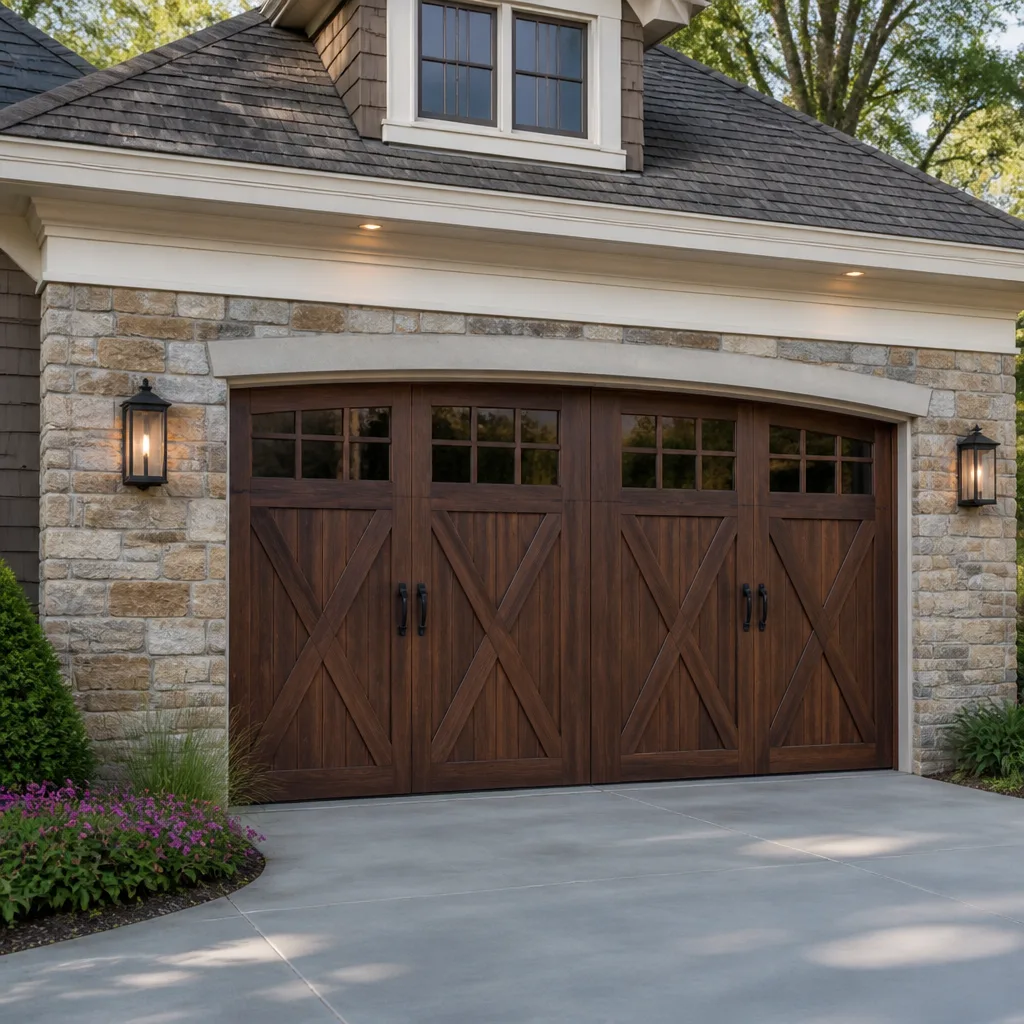 Carriage house
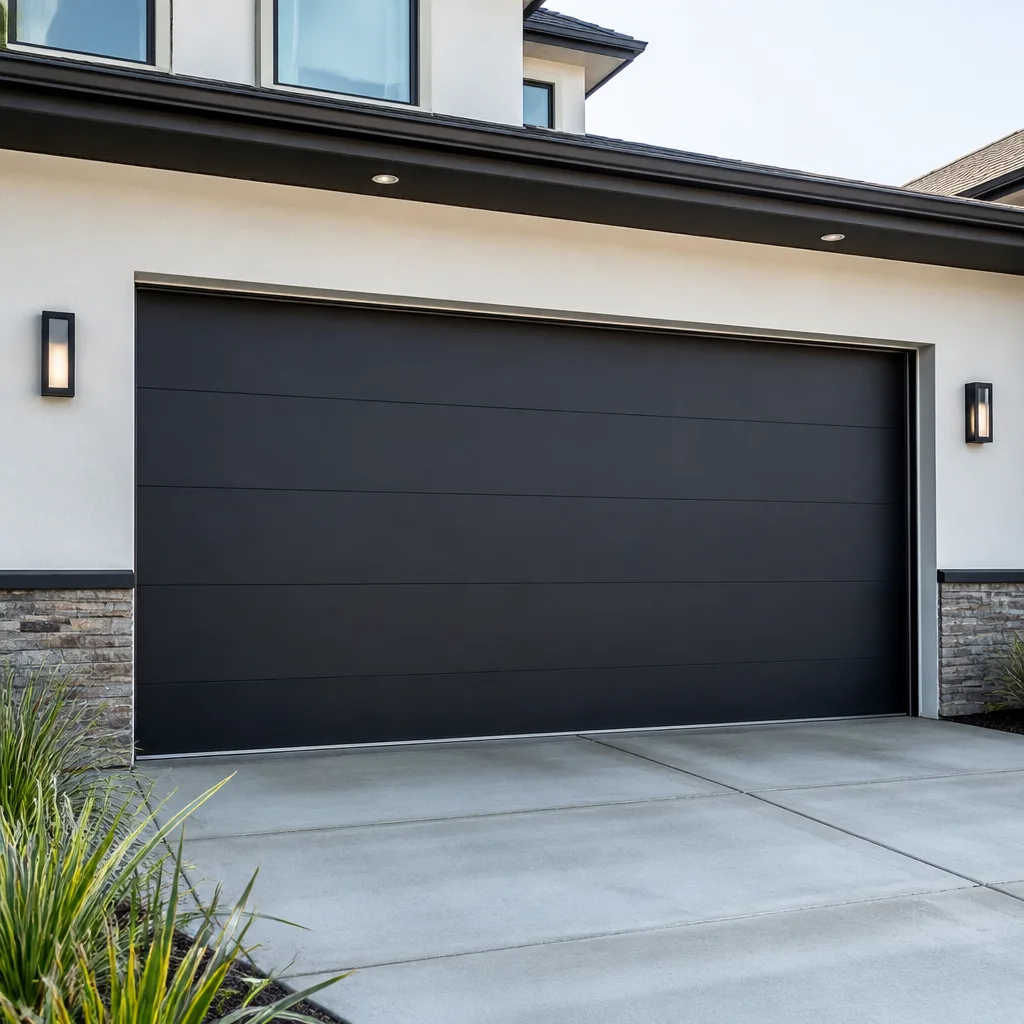 Modern flush
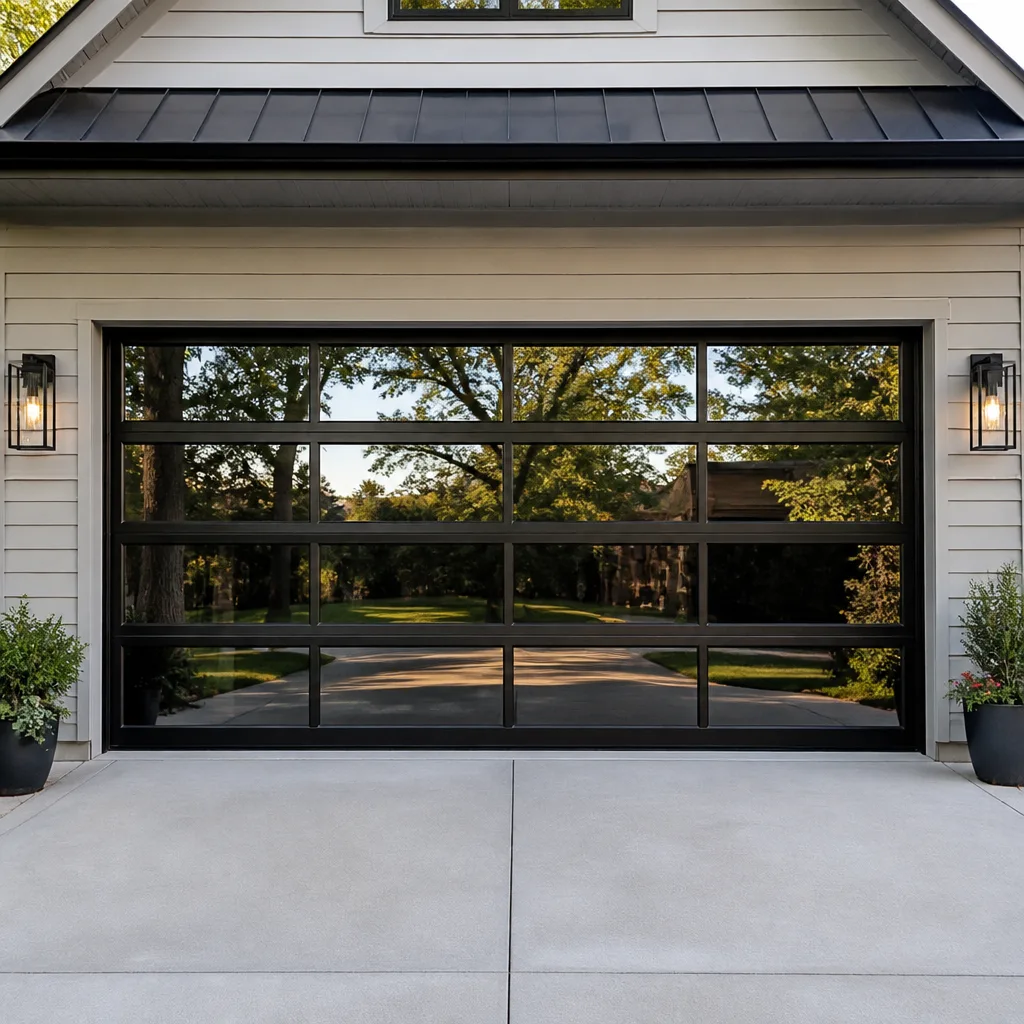 Full-view glass
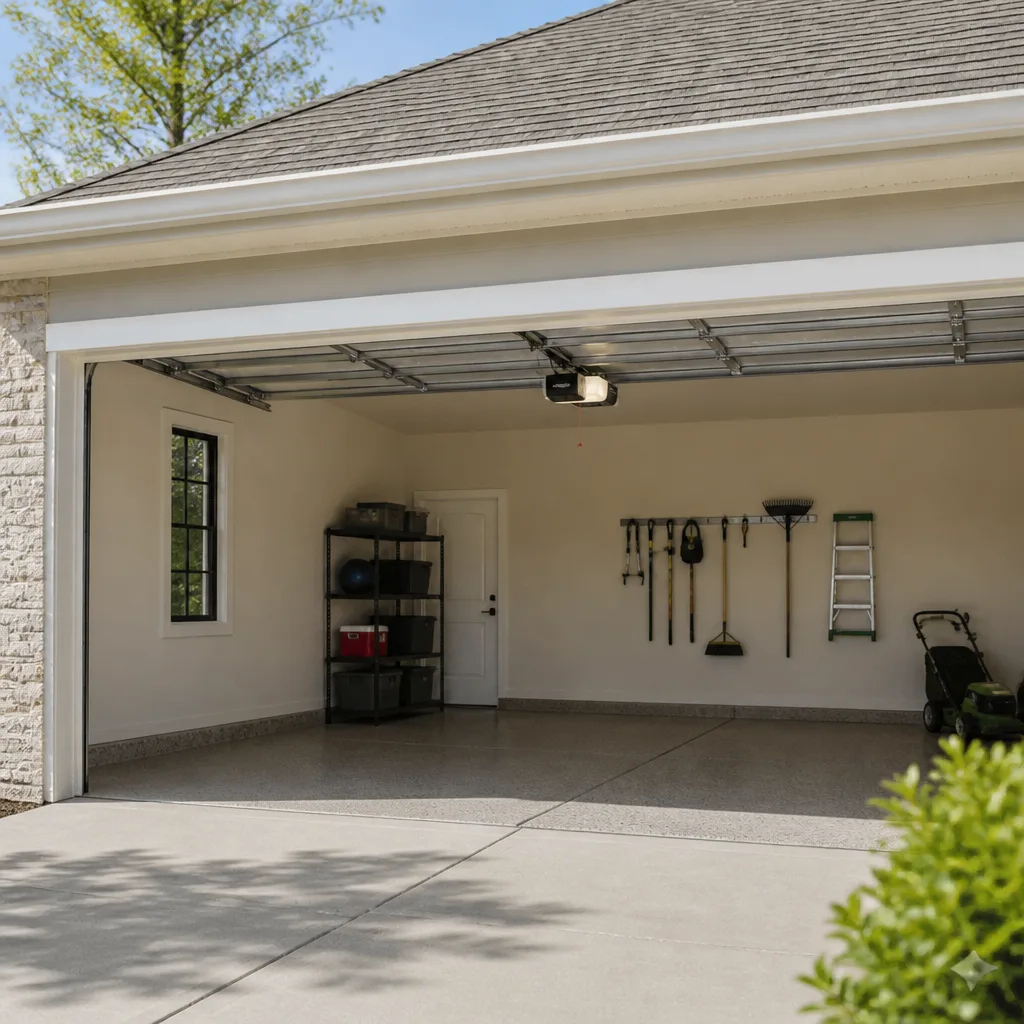 LiftMaster openers
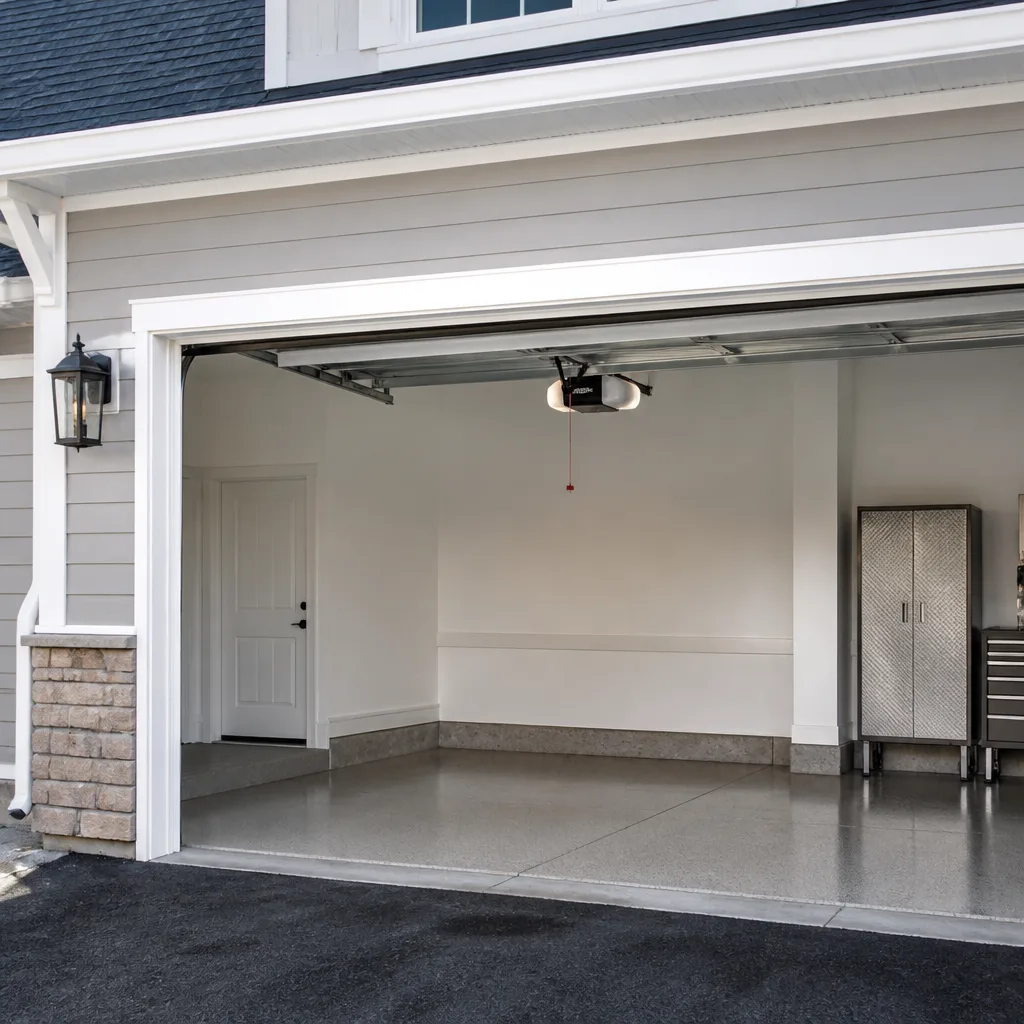 Chamberlain openers
Full 25-point door and opener safety check with every visit - springs, cables, rollers, tracks, and your LiftMaster or Chamberlain opener included
You get a price before we start. It does not change when the pro arrives.
Get your free estimateSeasonal Garage Door Care for Bethel Park: Year-Round Homeowner’s Guide
Most homeowners assume garage doors fail in the deep cold of January, when the temperature bottoms out. In our experience across Bethel Park, the springs that snap in February were already compromised in November. Cold doesn’t weaken metal overnight; the cumulative stress of a full winter – thousands of cycles at shrinking tolerances – pushes a worn spring past its limit. That’s why the single most useful thing you can do for your door is inspect it in late fall, before the first hard freeze. This guide walks through what fails and when across Bethel Park’s climate, month by month, so you can catch problems at the transition windows instead of mid-failure.
Quick Answer
Seasonal garage door care in Bethel Park comes down to two critical windows: a pre-winter inspection in late October or November, before the freeze-thaw cycle begins, and a post-winter check in March or April, after the ground thaws and the door has survived months of temperature swings. Targeting maintenance at those two points prevents the majority of spring, seal, and opener failures we see. A mid-summer look at your opener and a fall check of your paint and wood round out the year.
Styles & brands we work with
- Raised-panel steel
- Carriage house
- Modern flush
- Full-view glass
- LiftMaster openers
- Chamberlain openers
Table of Contents
- Why the Freeze-Thaw Cycle Is the Primary Enemy
- Pre-Winter Tasks That Prevent the Most Failures
- Spring Humidity and Wood Door Swelling
- Summer Heat and Your Opener
- A Month-by-Month Task Calendar for Bethel Park
- What to Check Yourself and What to Leave Alone
- Common Mistakes to Avoid
- When to Call a Professional
Why the Freeze-Thaw Cycle Is the Primary Enemy
Between November and March, Bethel Park’s weather swings above and below freezing repeatedly. Each swing moves water into a crack, seam, or gap around your door, freezes it, then releases it. Multiply that across a season and you get what amounts to slow mechanical wear that no other climate pattern produces. The South Hills neighborhoods sit at elevations where these swings are pronounced, and the freeze-thaw cycle hits the same three components every year.
Bottom seals take the most direct damage. The rubber or vinyl seal compresses against a cold concrete floor, then expands when temperatures rise. Repeated contraction and freezing makes the material stiff and brittle. By February, a seal that looked fine in October is cracked and letting cold air and moisture into the garage. That moisture then feeds into the next problem.
Torsion and extension springs endure thousands of tension-and-release cycles while the metal is cold and less forgiving. A spring that’s near the end of its life doesn’t fail on a mild day; it fails when cumulative stress and cold converge. This is why so many spring failures in Bethel Park cluster in January and February.
Opener gears and the tracks they run on are the third casualty. Cold stiffens lubricant, so the opener works harder on every cycle. Gears wear faster, and the motor draws more current, which stresses the control board. If you’ve ever heard your opener strain on a January morning, that’s the resistance talking.
The fix isn’t complicated. It’s timing. Address each of these components before the freeze-thaw cycle starts, and you’ve eliminated most of the conditions that cause failure. That’s the whole logic behind the November inspection this guide keeps returning to.
Pre-Winter Tasks That Prevent the Most Failures
Not all pre-winter tasks are equal. We rank these by how often the failure they prevent actually shows up in service calls, not alphabetically. Do them in this order and you’ll address the highest-risk items first.
- Inspect springs for wear signs. Look at the torsion spring above the door or the extension springs along the sides. A gap in the coil, a stretched section, or visible rust means the spring is on borrowed time. Springs are under extreme tension and are genuinely dangerous to touch, so this is a visual check only. If something looks wrong, call a professional.
- Test the bottom seal. Close the door and look for daylight or feel for drafts along the floor. A stiff, cracked, or flattened seal lets in cold air and moisture. Replacing a seal before winter is inexpensive compared to the drafts and moisture damage it prevents.
- Lubricate moving parts. Apply a garage-door-specific lubricant to hinges, rollers, and the torsion bar. Don’t use household oil or grease, which attracts dirt and thickens in cold. Proper lubricant keeps the door moving freely when temperatures drop.
- Check the balance of the door. Disconnect the opener (pull the release cord with the door closed) and lift the door halfway by hand. It should stay put. If it drifts down or feels heavy, the springs are out of balance, which overloads the opener all winter.
- Test the safety reverse. Place a roll of paper towels under the closing door. It should reverse on contact. This is a safety system, and cold weather can affect the sensors. Test it before the season and again mid-winter.
- Look at the weatherstripping around the frame. Gaps around the perimeter let in cold and moisture. Replacing worn weatherstripping is a straightforward job that pays off all winter.
These six tasks, done in late October or early November, address the failures we see most often in Bethel Park. If anything in the list turns up a real problem – a worn spring, a door that won’t balance – that’s when to bring in a specialist rather than wait for it to fail in January.
Spring Humidity and Wood Door Swelling
Pittsburgh’s springs are wet, and Bethel Park gets the full dose. As the freeze-thaw cycle ends and rain returns, humidity climbs and wood garage doors absorb moisture. The result is swelling: panels that fit snugly in March can bind against the frame by May. If your wood door suddenly rubs, sticks, or won’t close flush, humidity is the likely culprit, not a sudden mechanical failure.
Swelling puts stress on hinges, rollers, and the opener, because the door is now fighting the frame on every cycle. Left alone, that stress shows up as worn hinges or an opener that strains. The better approach is to get ahead of it before the wet season settles in.
Paint and stain are your first line of defense, because they slow moisture absorption. Check the finish on the bottom and sides of the door in early spring, since those areas take the most moisture and are the first to peel. Any bare or cracked spots should be touched up before the wet weather gets into the wood. Paint adhesion suffers when moisture is already in the wood, so the time to address peeling is before the humidity peaks, not after.
If your door is already swelling, don’t force it. Adjusting the track or hinges to accommodate seasonal movement is a job for someone who knows how much clearance a door needs. Overcorrecting in spring leaves the door loose and rattling by fall. A professional can set the clearances so the door works through the humid months without binding.
If you have a wood door and notice consistent swelling every spring, it may be worth planning a re-finish or considering a more moisture-stable material down the road. That’s a bigger conversation, but it’s one worth having with a specialist who can look at the door in person.
Summer Heat and Your Opener
Heat is harder on openers than most people realize. The control board, the component that runs the logic of the opener, sits in an unventilated garage where summer temperatures climb well above the outdoor reading. Circuit boards are sensitive to heat, and a board that’s marginal can start acting up in July and August. The symptoms are easy to miss because they come and go.
Watch for these signs in mid-summer:
- The door opens or closes on its own, or stops partway for no clear reason.
- The opener responds intermittently, working one day and ignoring the remote the next.
- The remote works only when you’re close to the door, or the range shrinks noticeably.
- The opener beeps or flashes error codes after a cycle.
- The motor feels hot to the touch after normal use.
Remote frequency issues are their own summer problem. Heat can affect the electronics in both the remote and the receiver, and a weak battery behaves worse in temperature extremes. If your remote range drops in summer, start with a fresh battery and see if the problem clears. If it doesn’t, the receiver or logic board may be the issue.
Brands like LiftMaster and Chamberlain build openers with thermal protection, but that protection only goes so far in a hot garage. Keeping the garage ventilated, and not stacking stored items against the opener unit, helps it shed heat. If your opener is older and you’re seeing repeated summer symptoms, it may be time to have it looked at before it fails entirely. A failing opener under a heavy door is a real inconvenience, and the door itself can be damaged if it drops.
A Month-by-Month Task Calendar for Bethel Park
A generic four-season split doesn’t match how Bethel Park’s weather actually behaves. The transition windows are what matter, so this calendar is built around them. Follow it and you’ll be doing the right task at the right time rather than reacting to failures.
- October: Pre-winter inspection. Check springs, seals, weatherstripping, and door balance. Lubricate moving parts. This is the single most important month on the calendar.
- November: Final pre-freeze check. Test the safety reverse. Confirm the bottom seal is tight. If the October inspection flagged anything, get it fixed now, before the cold sets in.
- December through February: Monitor. Listen for new noises, strain, or a door that moves unevenly. Keep the area around the door clear of snow and ice so the seal isn’t torn. Don’t attempt spring work in cold; cold metal and tension are a bad combination.
- March: Post-winter check. Look at the bottom seal for freeze-thaw damage, test the door balance again, and check for rust on springs and tracks. This is when winter’s toll shows up.
- April: Spring humidity prep. Check paint and stain on wood doors, especially the bottom and sides. Touch up bare spots before the wet season. Check weatherstripping for winter damage.
- May through June: Wood door check. Watch for swelling, binding, or sticking. Address any paint peeling before humidity peaks.
- July and August: Opener check. Test the remote range, listen for intermittent behavior, and make sure the opener unit has room to shed heat. A fresh battery in the remote is cheap insurance.
- September: Transition month. Do a quick all-around check and start planning the October inspection. This is the calm before the freeze-thaw season, and the right time to schedule any repairs before the busy cold-weather window.
The calendar isn’t rigid; weather varies year to year. But the two anchors, October-November and March-April, are where the most value sits. If you only do two things all year, do those two inspections.
What to Check Yourself and What to Leave Alone
Some maintenance is safe for a homeowner to handle. Other tasks are genuinely dangerous, and doing them wrong can cause serious injury. Knowing the difference is part of seasonal care.
Safe to check yourself: visual inspection of springs for gaps or rust, testing the bottom seal for drafts, lubricating hinges and rollers, testing the safety reverse, checking paint and weatherstripping, and replacing remote batteries. These are observation and light maintenance tasks.
Leave to a professional: anything involving the springs, cables, or the torsion bar. Garage door springs are under extreme tension, and a spring that releases unexpectedly can cause severe injury. Never attempt to adjust, remove, or replace a spring or cable yourself. The same goes for track alignment and any repair that requires disconnecting the door from the opener for more than a balance test. When in doubt, call a specialist. Our technicians have up to 9 years of experience with these components, and this is exactly the kind of work we handle.
If a spring looks worn or a door won’t balance, don’t wait to see if it fails. That’s the moment to schedule garage door spring repair, before a cold snap turns a worn spring into a broken one.
Common Mistakes to Avoid
- Waiting until the door breaks to think about maintenance. In Bethel Park, a November inspection catches problems months before they become failures. Skipping it means you’re repairing in January instead of preventing in October.
- Lubricating with the wrong product. Household oil and grease thicken in cold weather and attract dirt, which makes the door harder to move, not easier. Use a garage-door-specific lubricant and apply it at the right points.
- Ignoring a stiff bottom seal. A seal that’s cracked or flattened lets in cold and moisture all winter. It’s an easy fix before the freeze and a bigger problem once moisture gets into the door and frame.
- Forcing a swollen wood door. When a wood door binds in spring humidity, forcing it strains the opener and hinges. Adjust the clearances properly instead of pushing through the resistance.
- Blaming the remote for a summer opener problem. If the remote range drops in July, a fresh battery is the first step, but recurring issues often point to the receiver or logic board, which need a professional look.
- Attempting spring work yourself. This is the most dangerous mistake on the list. Springs are under extreme tension, and the risk of serious injury is real. Visual inspection only; leave the repair to trained hands.
- Assuming a generic four-season schedule fits Bethel Park. The transition windows here are specific, and timing maintenance to them makes a bigger difference than following a generic calendar.
When to Call a Professional
Some jobs are seasonal maintenance. Others are signals that a trained specialist needs to look at your door. Call us when a spring shows a gap, stretch, or rust; when the door won’t balance or feels heavy; when the opener runs but the door doesn’t move; when the door is off its track or making grinding noises; or when a wood door keeps binding despite your best efforts. We also handle emergencies, because a stuck or broken door leaves your home exposed. Garage Door Repair Bethel Park offers free estimates in Bethel Park – call (877) 792-7284. The price is quoted and agreed before any work starts, and the written estimate sets the final price. Our technicians have up to 9 years of experience and work on the brand already in your garage, whether that’s LiftMaster, Chamberlain, Craftsman, or Raynor.
See the difference
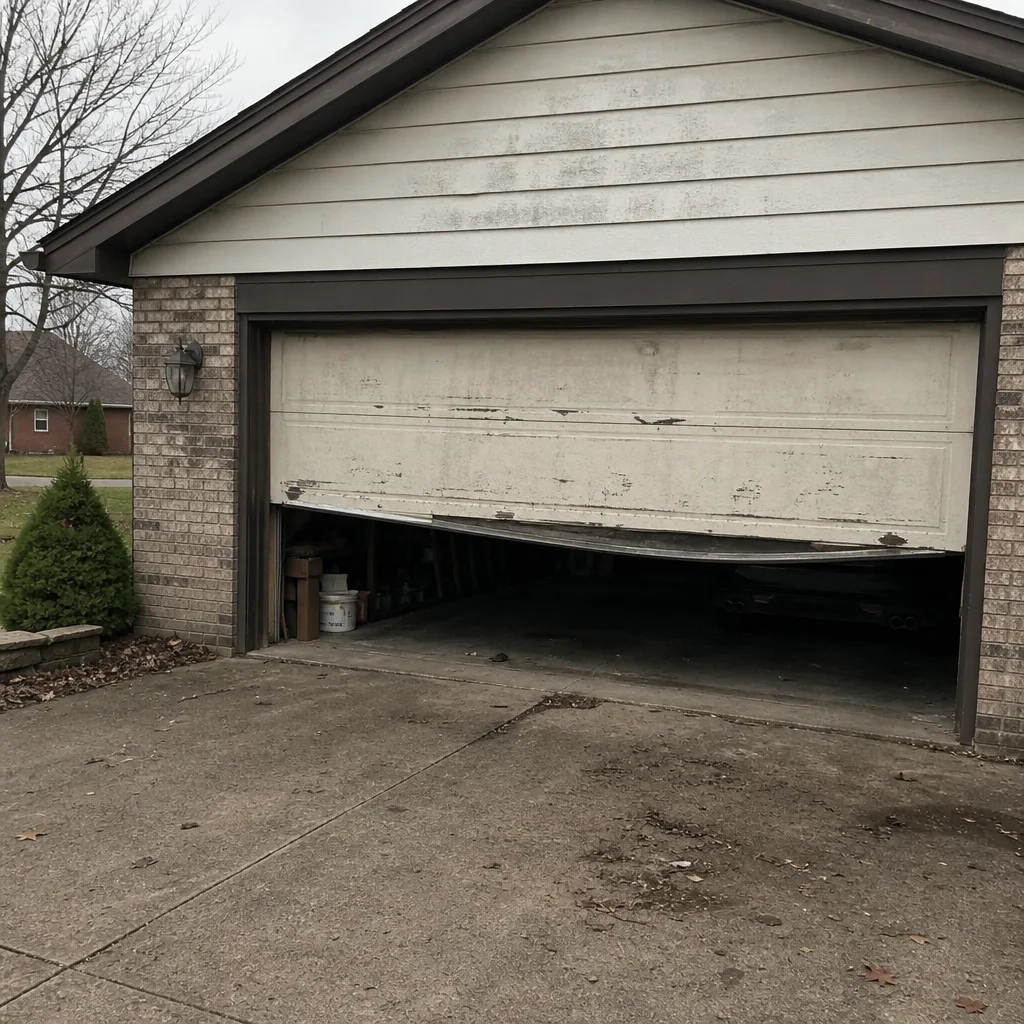 Before
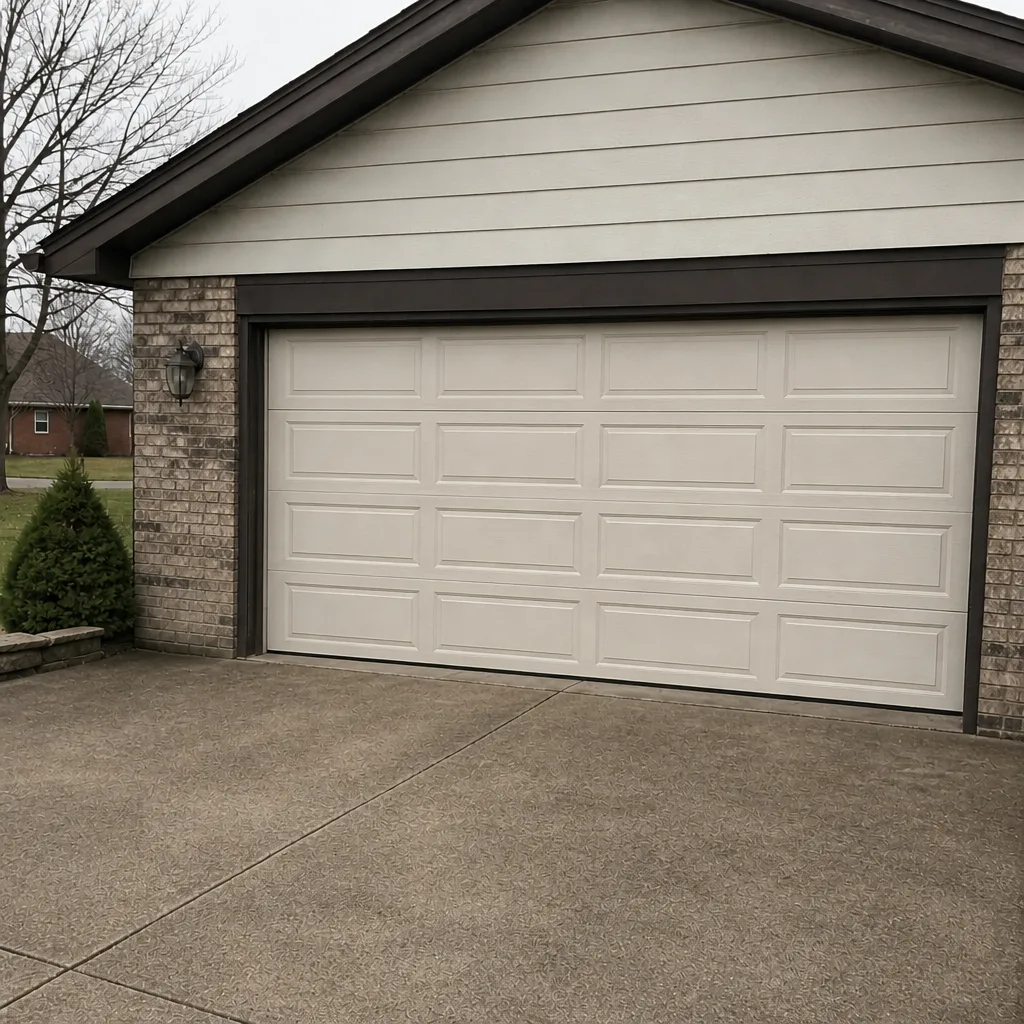 After
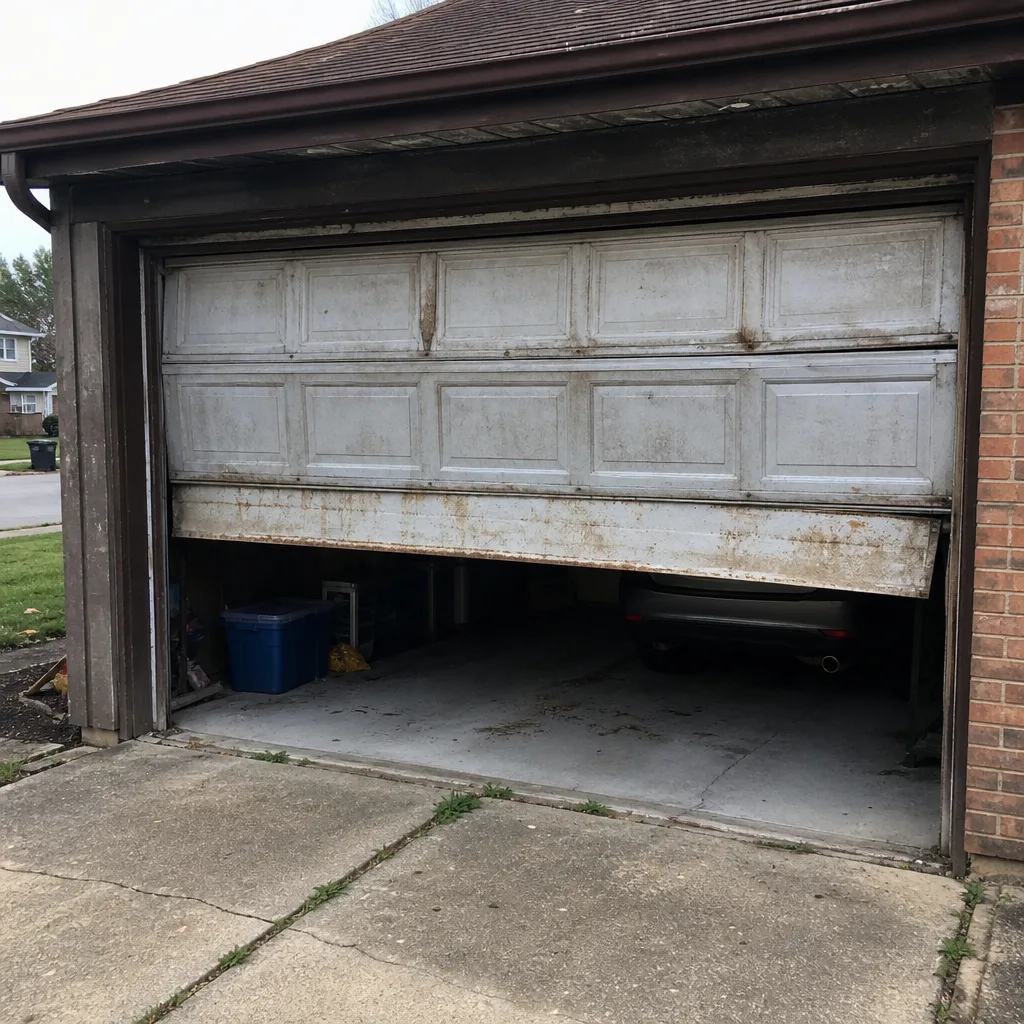 Before
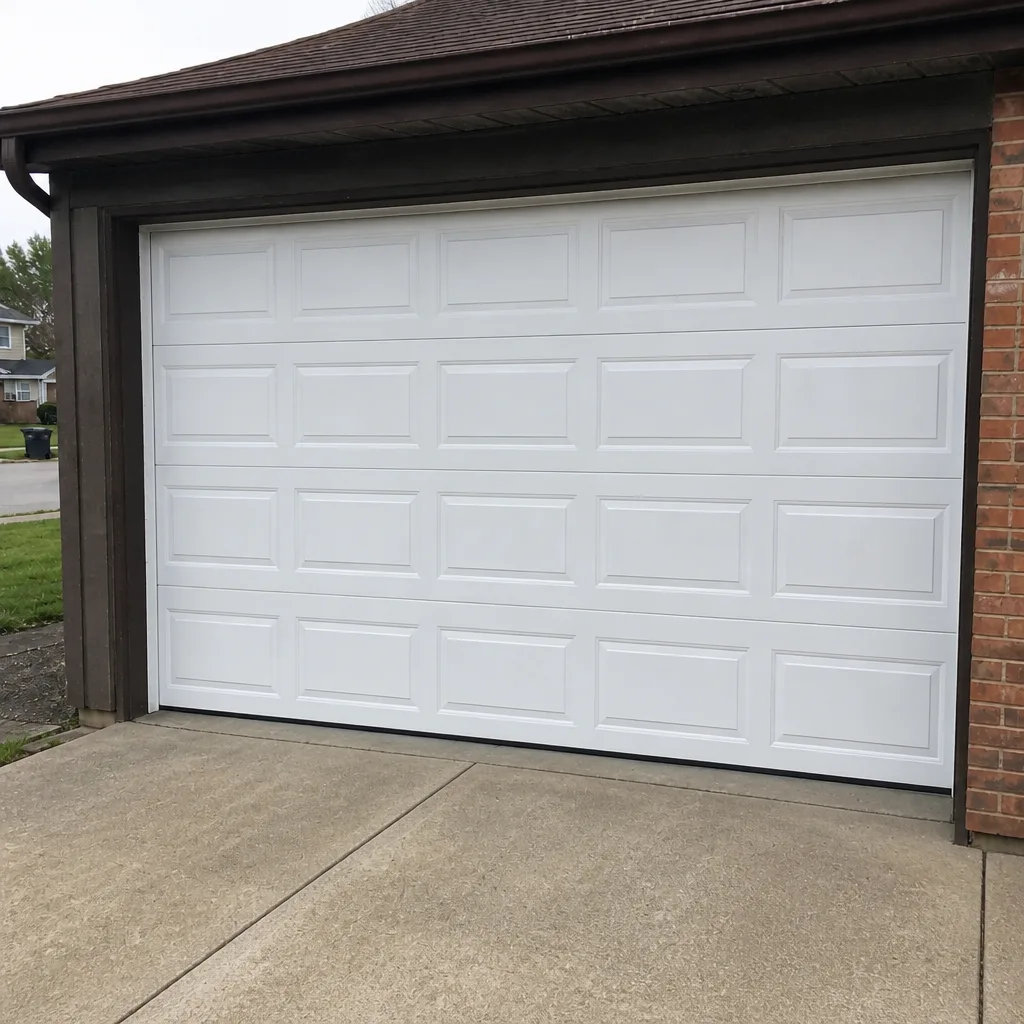 After
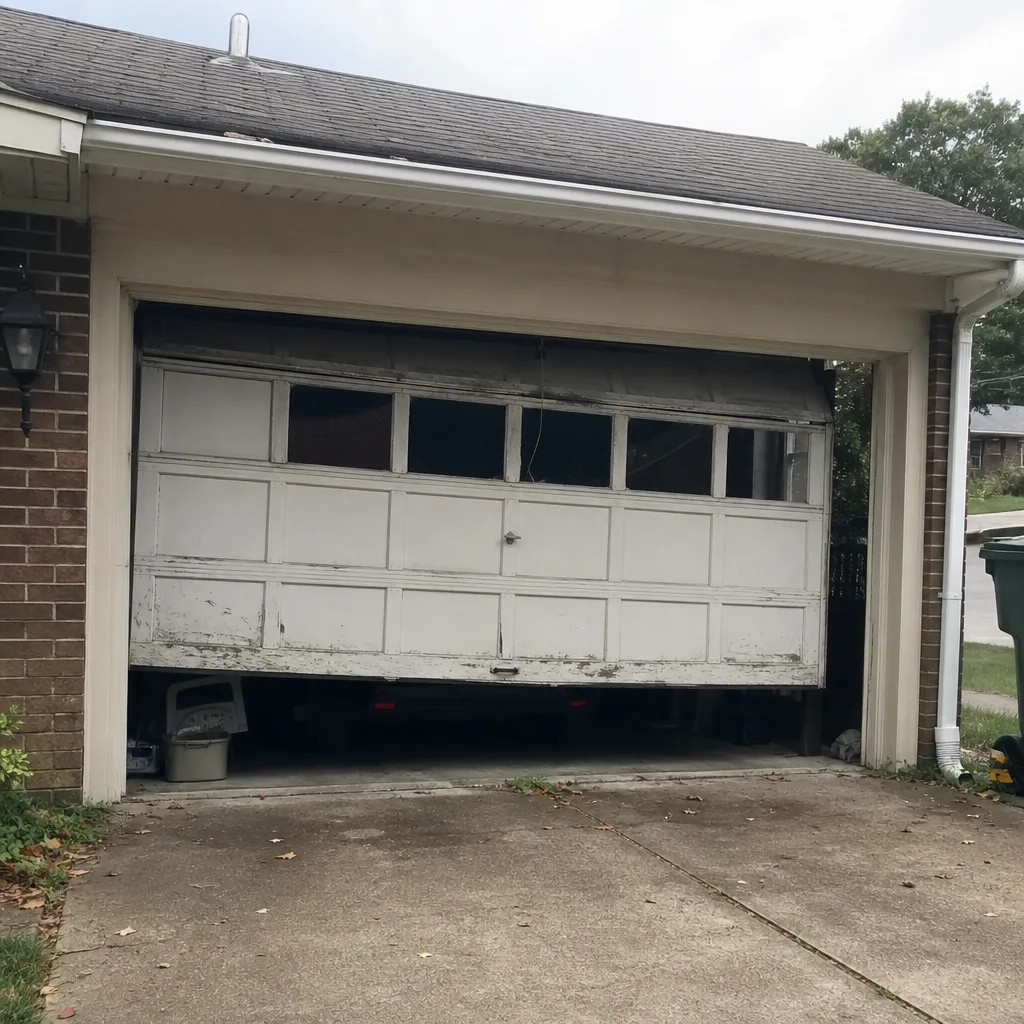 Before
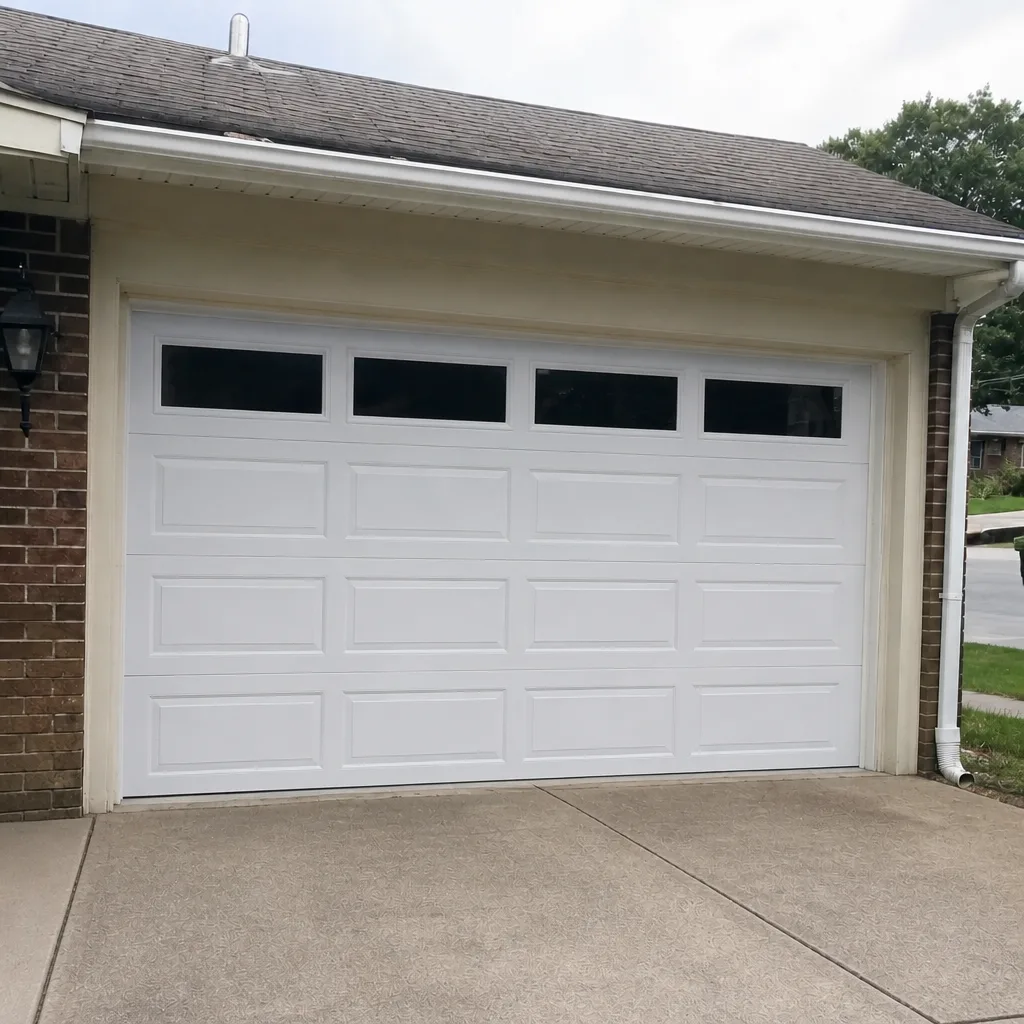 After
Frequently Asked Questions
Late October or early November is the best time, before the freeze-thaw cycle starts. A second check in March or April catches winter damage. These two windows prevent the majority of cold-weather failures we see. Call (877) 792-7284 to schedule a free estimate.
Springs break more in winter because cumulative stress from a full season of cold-weather cycles pushes a worn spring past its limit; it’s not a single cold night that does it. A November inspection catches a worn spring before it fails. If your spring looks worn, call (877) 792-7284 for garage door spring repair.
Yes, lubricating hinges, rollers, and the torsion bar is a safe homeowner task, as long as you use a garage-door-specific lubricant. Never touch the springs or cables, which are under extreme tension. If you’re unsure, call (877) 792-7284 for guidance.
Spring humidity causes wood doors to absorb moisture and swell, which makes them bind against the frame. Touching up paint before the wet season helps slow absorption; adjusting clearances is a job for a professional. Call (877) 792-7284 for an assessment.
Start with the remote battery, since heat and age both affect it, then watch for intermittent behavior, shrinking remote range, or error codes. Recurring symptoms often point to the control board, which needs a professional look. Call (877) 792-7284 for garage door opener repair.
The local professionals we connect you with are licensed and insured as their state requires. Our technicians have up to 9 years of experience with springs, openers, and installations. Call (877) 792-7284 for a free estimate.
The Bottom Line
Seasonal care in Bethel Park isn’t about four equal seasons; it’s about two transition windows. Inspect in late October or early November, before the freeze-thaw cycle starts, and again in March or April, after winter’s toll shows. Add a summer opener check and a spring paint touch-up, and you’ve covered the failure points that cause most service calls. The highest-risk tasks, springs and cables, are also the ones to leave to a specialist, because the danger is real. For everything else, a little attention at the right time keeps your door working year-round. When you need help, garage door repair starts with a call – free estimates, and the price is agreed before any work begins.
Ready to get ahead of the season? Call Garage Door Repair Bethel Park at (877) 792-7284 for a free estimate. We work on the brand already in your garage, from springs and openers to full installations, and we’re here when a door fails at the worst possible time. Call today to schedule your seasonal inspection.
Written by the team at Garage Door Repair Bethel Park.